01 / Scenario
STUDIO
P
High-End Pilates Studios
Premium aesthetics meet quiet operation for boutique studio environments.
ISO
9001
CE
Certified
OEM
Available
10YR
Warranty
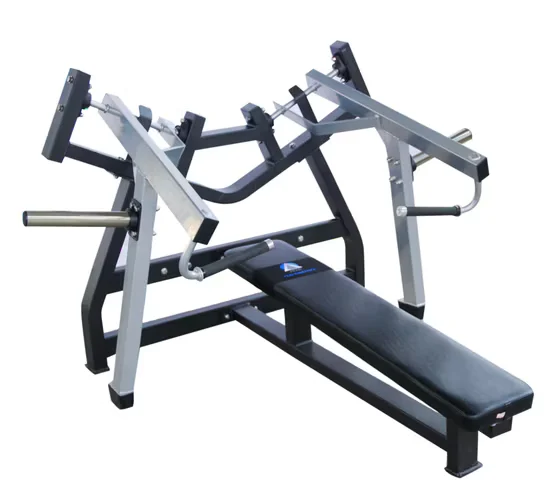
ISO-Lateral Horizontal Bench Press Machine, 3×3 Inch Frame, 112kg Net Weight — plate loaded chest press engineered with continuous robotic MIG welding and industrial-grade steel construction for high-traffic commercial environments. Independent arm movement accommodates bilateral strength asymmetry while eliminating weight stack maintenance. Every unit undergoes full load testing before shipment, backed by 10-year frame warranty and factory-direct floor planning support.
// Spec Highlights
• Direct from Manufacturer · No Middlemen · Worldwide Shipping
01
// Material
Imported Solid Wood
Premium hardwood frames sourced for density and visual warmth.
02
// Hardware
Medical-Grade Silent
Whisper-quiet pulleys and springs for clinical environments.
03
// Customization
Appearance OEM
Color, upholstery, and branding tailored to your studio.
04
// Service
Layout Design
Free venue planning for studios and rehab institutions.
Every component is selected for longevity, performance, and aesthetic harmony - from imported hardwood frames to silent medical-grade accessories.
// Features
Mill-Certified Steel Traceability — every ISO-Lateral Horizontal Bench Press Machine frame is built from 11-gauge Q235/Q345 coil with verifiable mill certificates.
| Parameter | Value |
|---|---|
| Product Type | Plate Loaded Chest Press Machine |
| Frame Steel Gauge | 11-gauge |
| Frame Tube Size | 3×3 inch |
| Steel Grade | Q235 / Q345 industrial steel, mill-certified |
| Welding Type | Robotic MIG, continuous weld lines |
| Loading Type | Plate loaded |
| Exercise Part | Chest |
| Powder Coating | 200μm scratch-resistant, sandblast pre-treated |
| Product Dimensions | 1700×1400×1200mm |
| Net Weight | 112kg |
| Certification | ISO 9001, CE |
| Warranty | 10-year frame |
| Facility Type | Typical Use |
|---|---|
| Commercial gym strength floor | High-frequency chest pressing for general membership |
| Hotel fitness center | Multi-user chest training with minimal adjustment |
| University strength and conditioning room | Athlete hypertrophy and pressing strength cycles |
| CrossFit box functional zone | Accessory pressing work alongside barbell programming |
Continuous robotic MIG welding eliminates the cold joints that fail under repeated heavy loading.
I once inspected a batch of bench presses recalled after six months in a high-traffic gym. The frames used spot welding to cut costs, and every weld along the stress line had cracked from cyclic loading. The steel itself was fine — the joints gave out first. When sourcing a commercial plate loaded horizontal bench press machine, the welding method matters as much as the steel gauge. [NEED_CITE: weld classification and fatigue performance in structural steel]
The plate loaded horizontal bench press targets the pectorals through a converging iso-lateral movement path, complementing incline and decline stations already on the floor. It suits facilities running high member throughput where plate loaded equipment reduces maintenance compared to selectorized alternatives. The iso-lateral arm design accommodates users with left-right strength imbalances, making it practical across a wide range of body types. This commercial plate loaded horizontal bench press machine anchors the flat pressing zone of any strength area.
Every press repetition sends force through the main frame tube and into the weld joints at the arm pivot. In a busy gym, a single station can see hundreds of loading cycles per day, each one testing the fatigue limit of the connection points. The 11-gauge steel tube resists bending deformation, but the weld quality determines whether micro-cracks propagate over months of use. Contact points where the frame meets the floor experience additional lateral shear during heavy unracking. Powder coating at contact zones must withstand both mechanical abrasion and corrosive sweat exposure. [NEED_CITE: EN 957 structural requirements for stationary training equipment]
The 3×3 inch 11-gauge tube cross-section provides the bending resistance needed when loaded plates create moment arms at the press arms. Robotic MIG welding produces continuous bead lines that distribute stress evenly along the joint, unlike spot welds that concentrate force at discrete points. The 200μm powder coating, applied after sandblast preparation, prevents corrosion at the high-wear contact zones where bare steel would otherwise oxidize within months. Together, these specifications determine whether the frame survives years of commercial use or requires structural repair.
Thinner gauge tubing flexes under heavy loads, gradually deforming the press arm geometry and altering the movement path. Spot-welded joints that pass initial inspection develop fatigue cracks within months of commercial cycling, creating liability exposure for facility operators. Low-grade powder coating chips at plate-loading horns and floor contact points, exposing bare steel to sweat and humidity. When non-standard hardware is used in pivot assemblies, replacement bearings and bushings become unavailable once the original supplier discontinues support. [NEED_CITE: fatigue failure patterns in welded fitness equipment frames]
The Q235/Q345 steel sourcing with mill certification means the frame tube properties are traceable to the original coil, not just labeled as generic commercial grade. Robotic MIG continuous welding on every joint eliminates the cold-joint failures that plague hand-welded alternatives. Each unit undergoes load testing before shipment, verifying structural integrity under conditions that exceed typical gym use. The 200μm powder coating specification resists chipping at the plate horns where repeated loading and unloading creates mechanical wear. For floor planning, the 1700×1400mm footprint with recommended clearance supports safe traffic flow in high-density strength zones, and 2D-3D CAD layouts are available for exact placement.
Share your strength floor area and existing equipment list to receive a 2D-3D layout that positions this plate loaded horizontal bench press machine with correct safety clearances. Specify average daily user volume so the structural grade matches your traffic level. Provide your target user demographic to confirm the iso-lateral arm adjustment range covers the full body type spectrum. Outline any custom requirements including frame color, logo placement, or upholstery selection.
Q: How do I verify the frame steel is genuinely 11-gauge and not thinner material relabeled as commercial grade?
A: Request the mill certificate from the manufacturer, which traces the steel back to the original coil with documented gauge and grade specifications. Visual inspection alone cannot distinguish 11-gauge from 14-gauge once powder coating is applied. A reliable supplier provides this documentation without hesitation, linking each production batch to certified material records.
Q: What is the practical difference between spot welding and continuous MIG welding on a plate loaded bench press?
A: Spot welding creates discrete connection points that concentrate stress, making them vulnerable to fatigue cracking under repeated loading cycles. Continuous MIG welding distributes force along the entire joint length, significantly extending the fatigue life of the frame. In high-traffic commercial environments, this difference typically determines whether the frame lasts years or months before structural issues appear.
Q: How does plate loaded design compare to selectorized weight stacks in terms of maintenance requirements?
A: Plate loaded stations eliminate weight stack guide rods, cables, and selector pins — all components that develop wear and binding under heavy commercial use. Maintenance is limited to pivot bearing inspection and structural bolt checks. This reduces both parts inventory and service downtime, making plate loaded equipment a practical choice for facilities with limited maintenance staffing.
Q: What clearance distances should I plan around a horizontal bench press in a commercial layout?
A: Allow sufficient space on both sides for plate loading and unloading, plus a clear approach path for users carrying plates. The exact clearance depends on the plate diameter in use and traffic flow patterns. Requesting a CAD floor plan from the manufacturer ensures the station integrates safely with surrounding equipment without creating pinch points or blocked walkways.
Premium aesthetics meet quiet operation for boutique studio environments.
Medical-grade silence and precision for sports & postpartum recovery.
Furniture-grade craftsmanship for premium residential installations.
Compact premium setups for one-on-one and small-group training.
Aesthetic Pilates integration for hybrid wellness studio programming.
Multi-unit deployment with instructor-grade reliability for certification programs.
Tell us about your project. Our team will respond within 24 hours with pricing, customization options, and shipping details.
// Sales Director
William
+86 132 2531 1800
// Export Manager
Bella
+86 198 5412 8032
william@bickfit.com