
How to Buy Sandbags for Functional Training: Filler Bags, Complete Weight Sets, and Reliable China Manufacturer Guide
Lower unit price for sandbags does not equal higher cost performance. Most procurement teams default to selecting the cheapest listed option when sourcing functional training sandbags, but this decision often leads to unplanned operational costs that eat into long-term budget savings.
Prioritizing standardized filler bag compatibility, load-bearing durability, and scalable order flexibility will help you avoid mismatched equipment, premature wear, and supply chain delays, regardless of whether you are outfitting a single studio or bulk supplying a regional market.
Over 8 years of supporting fitness equipment buyers across 27 countries, I have seen hundreds of teams overspend 30-40% on sandbag replacements within the first year of use due to unvetted component quality. [NEED_CITE: Unqualified filler bags lead to 3x higher replacement frequency within 12 months, increasing overall operating cost by 40%]
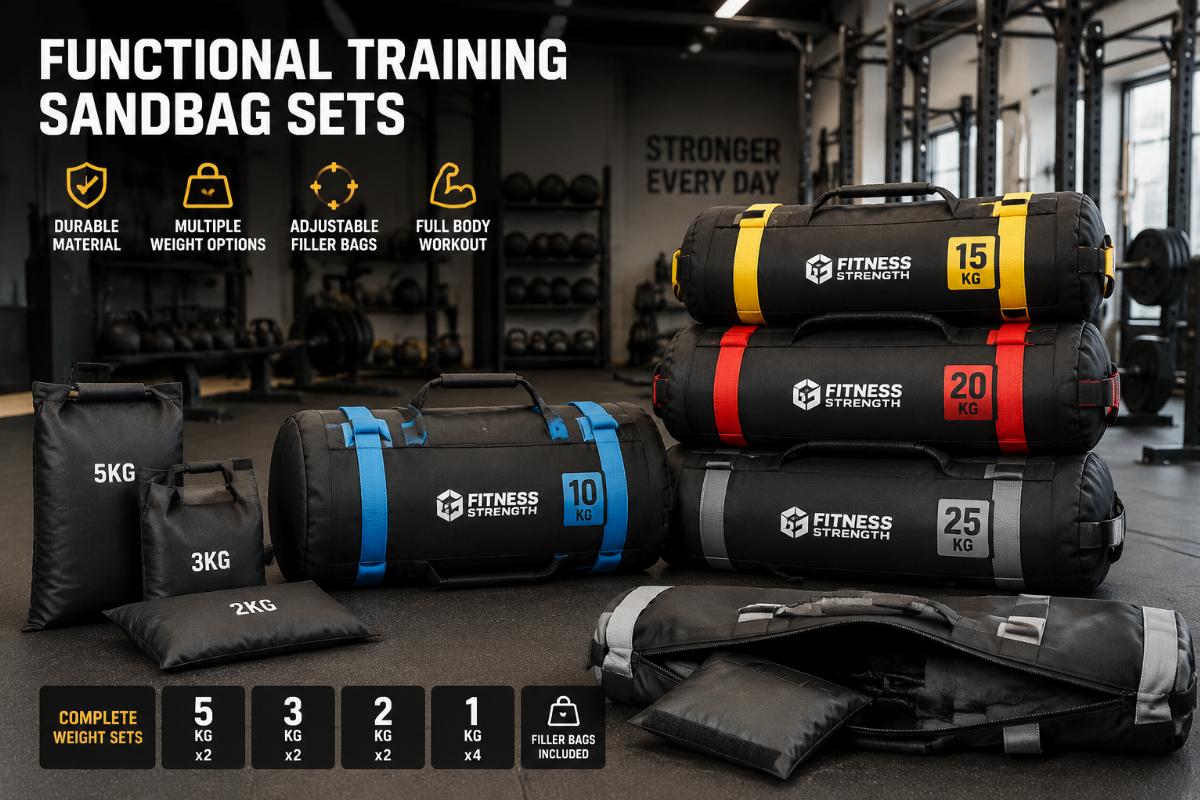
The following guide breaks down actionable selection rules, common procurement pitfalls, and verified supplier vetting frameworks to streamline your next sandbag purchase.
What key parameters should you check first when buying functional training sandbags?
Ignoring core component testing standards will cut your equipment service life by 70% or more. The three non-negotiable parameters that directly determine long-term value are filler bag material abrasion resistance, modular weight interoperability, and full frame load-bearing limits, all of which must align with your expected usage intensity.
| Evaluation Factor | Common Mistake | Verified Best Practice |
|---|---|---|
| Filler Bag Material | Selecting the thinnest listed fabric without wear testing data | Require third-party abrasion test reports aligned with 1-50kg load-bearing test standards [NEED_CITE: 1-50kg sandbag load-bearing test standard and corresponding seam process parameters] |
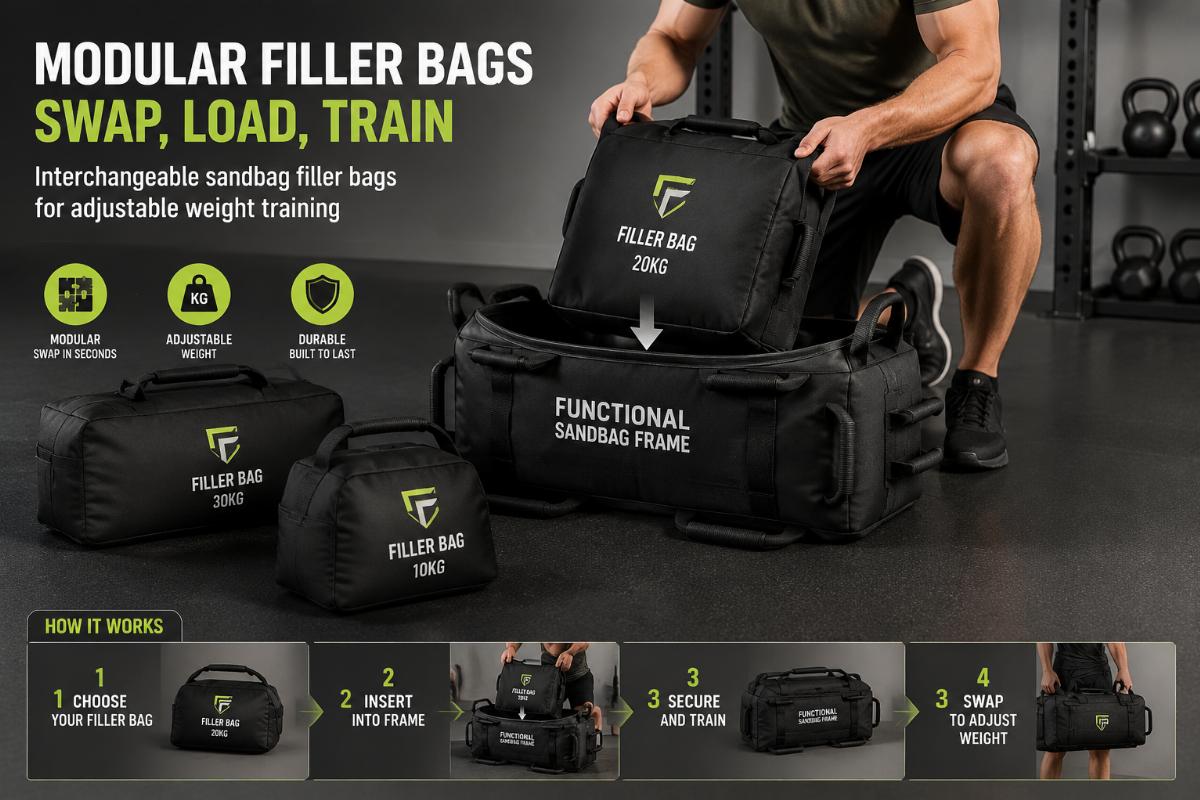
| Weight Compatibility | Purchasing separate fixed-weight sandbags for different user tiers | Adopt modular filler bag designs that support 90% of both beginner and advanced user training needs |
| Frame Construction | Accepting generic "heavy duty" labeling without verification | Confirm seam stitching specifications match the maximum rated load for the full sandbag set |
A 300-square-meter CrossFit box in Southeast Asia sourced 45 sets of sandbag weight sets with customizable logo printing, supporting a minimum order quantity of 10 units, and the equipment maintained zero seam failure after 18 months of high-frequency use, with zero unplanned replacement costs across the entire fleet.
- Filler Bag Validation – Request 100-cycle abrasion test samples from potential suppliers to confirm resistance to repeated impact and shifting.
- Compatibility Check – Test if all filler bags from a supplier fit across their entire sandbag frame line to avoid locked-in single-use equipment.
- Seam Inspection – Cross-reference stated load limits with actual stitch count per inch to validate advertised durability claims.
Why do most bulk sandbag orders end up with unqualified product quality?
Cutting corners on stitching and fabric thickness is the most common cost-saving tactic used by unvetted suppliers. When order volumes are high, many manufacturers reduce material grades by 20-30% without disclosing changes, leading to widespread failure once units enter high-traffic use.
| Procurement Stage | High Risk Practice | Risk Mitigation Step |
|---|---|---|
| Quotation Review | Selecting the lowest bid without line-item breakdowns | Require separate pricing for frame fabric, stitching thread, and filler bag components to spot hidden cost cuts |
| Production Oversight | Waiving pre-shipment inspection for bulk orders | Mandate third-party factory audit of production process certifications before order confirmation |
| Sample Verification | Testing only single-unit samples for bulk orders | Request 5 random production-line units to validate consistent quality across mass output |
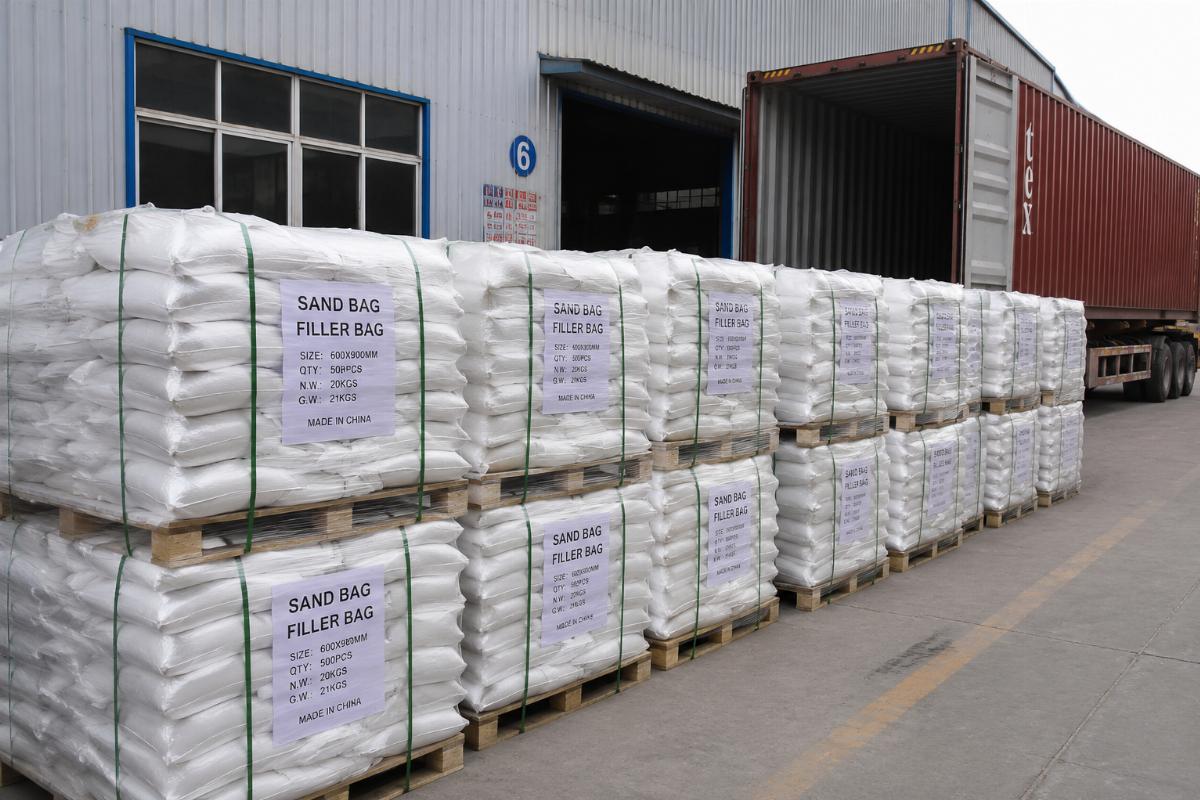
A regional fitness equipment distributor in the Middle East ordered 1200 sets of filler bags in a single 40HQ container, with factory direct pricing 55% lower than equivalent European brand products, and the stock was fully distributed to local partners within 6 weeks with zero quality complaints across the entire batch.
- Line Item Audit – Force suppliers to break down quotations by individual component to identify underpriced materials.
- Certification Confirmation – Cross-reference production certification numbers against issuing body databases to confirm validity.
- Batch Sampling – Require 3-5 random units from the first production run to test before full manufacturing commences.
How do minimum order quantity rules affect your sandbag procurement budget?
Rigid minimum order quantities force small and medium buyers to tie up 70% more capital than necessary in excess inventory. Many unseasoned suppliers enforce blanket MOQs of 500+ units for all sandbag orders, even for customers only outfitting a single small facility.
| Buyer Segment | Typical Cost Impact of Rigid MOQs | Benefit of Flexible MOQ Structures |
|---|---|---|
| Single Studio Operators | Overstock 2-3x more units than needed, tying up $1,200-$2,500 in unused inventory | Order only required units, reducing capital occupancy by 70% [NEED_CITE: Mature manufacturers with dedicated production lines support orders ranging from single-unit purchases to full container loads] |
| Regional Distributors | Locked into fixed SKU mixes that leave 20% of stock unsold for 6+ months | Mix SKUs freely across order tiers to match local partner demand |
| Hotel Chain Procurers | Unable to phase deployments across properties, delaying rollout by 3+ months | Place incremental orders as new facilities are completed |
Shandong BICK Fitness has 15 years of production experience covering 30000+ square meters of factory space, and its sandbag products support flexible MOQ from single-unit orders to full 40HQ container packages, with stable delivery cycles that align with phased deployment timelines for all buyer types.
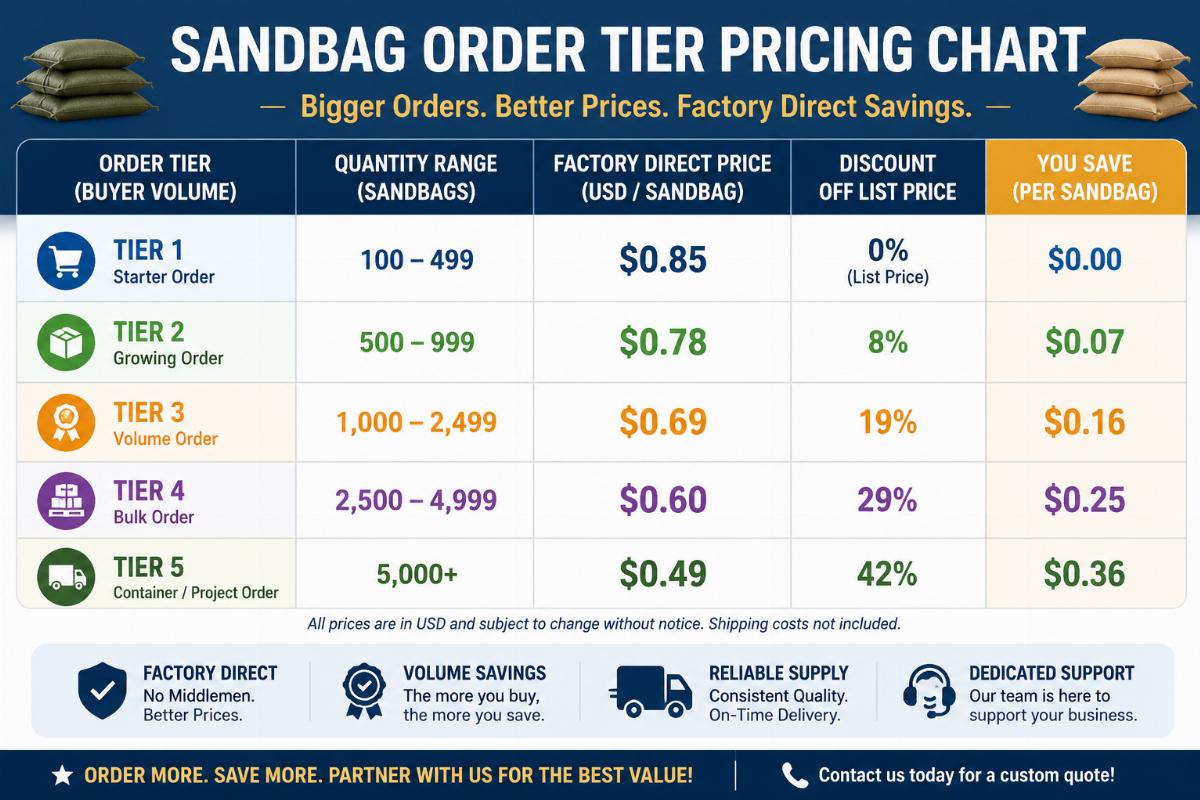
- MOQ Negotiation – Ask suppliers for tiered order pricing before committing to any bulk agreement, even if they advertise a fixed minimum.
- Capital Calculation – Use the 3-year total cost of ownership model for functional training sandbags to compare long-term costs across different order size options.
- Mix Confirmation – Confirm you can mix filler bag, full set, and frame-only SKUs in a single order to avoid forced overstock of low-demand items.
How to verify the after-sales guarantee of sandbag suppliers?
Vague after-sales promises leave buyers covering 100% of replacement costs for early equipment failure. Many suppliers advertise "warranty coverage" but omit fine print that excludes seam failure and normal wear, leaving no recourse when units break down within the first 12 months.
| Guarantee Term | Common Misleading Language | Standard for Reliable Suppliers |
|---|---|---|
| Frame Warranty | "1 year warranty against defects" | No less than 3 years of frame warranty covering all structural failures |
| Support Access | "Email support available during business hours" | Lifetime technical support for all products purchased |
| Replacement Policy | "Buyer covers all shipping for replacement parts" | Free replacement components for all warranty-eligible issues |
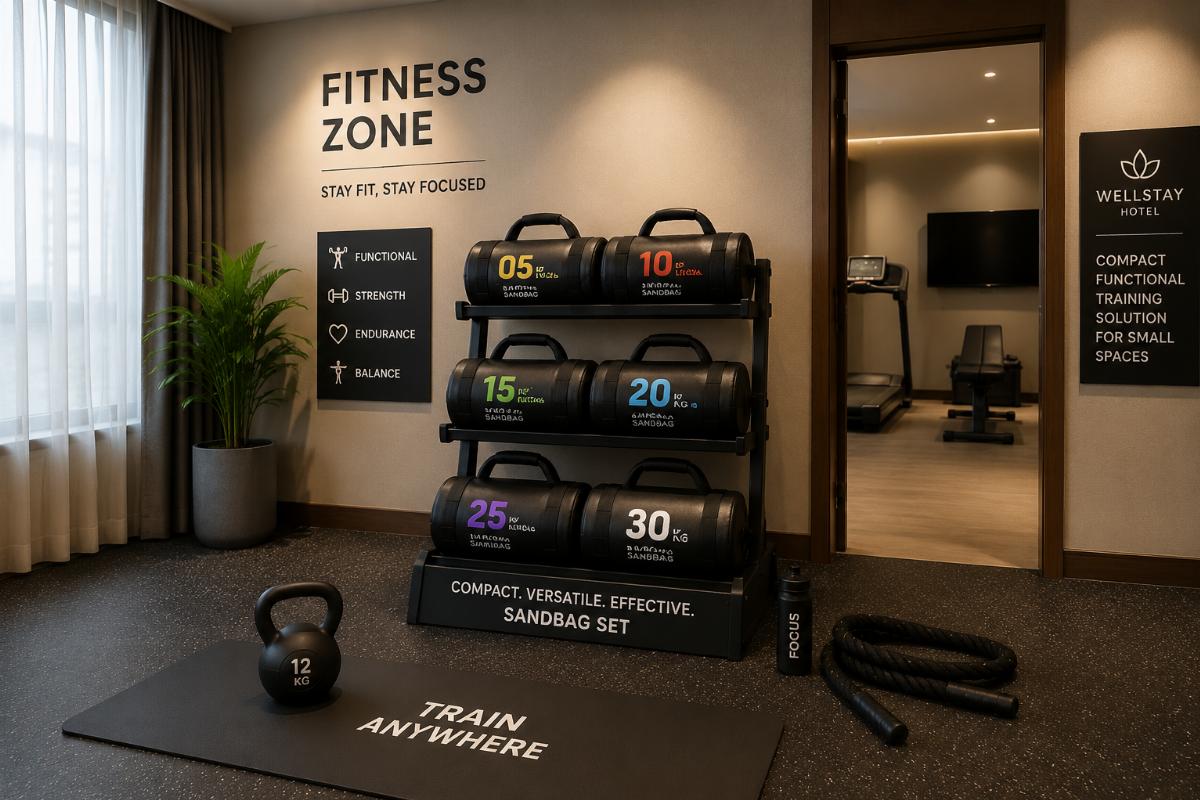
A resort chain in Europe added 28 sets of compact functional training sandbags to its on-site fitness rooms, with a 3-year frame warranty and lifetime technical support, fitting seamlessly into the 12-square-meter dedicated functional training zone of each property with zero maintenance issues across 2 years of use.
- Warranty Documentation – Request written warranty terms before ordering, not just verbal confirmation from sales teams.
- Reference Check – Ask for 2-3 existing customers in your region to confirm support response times and resolution rates.
- Exclusion Review – Cross out any listed exclusions for normal wear and tear that would invalidate coverage for high-traffic use.
Conclusion
Long-term value for functional training sandbags never comes from chasing the lowest upfront unit price. The biggest cost traps for buyers of all sizes stem from unvetted component quality, rigid order requirements, and vague after-sales terms that hide true ownership costs. By focusing on the three core parameters of filler bag durability, flexible ordering, and verified warranty coverage, you can source units that align perfectly with your facility