01 / Scenario
STUDIO
P
High-End Pilates Studios
Premium aesthetics meet quiet operation for boutique studio environments.
ISO
9001
CE
Certified
OEM
Available
10YR
Warranty
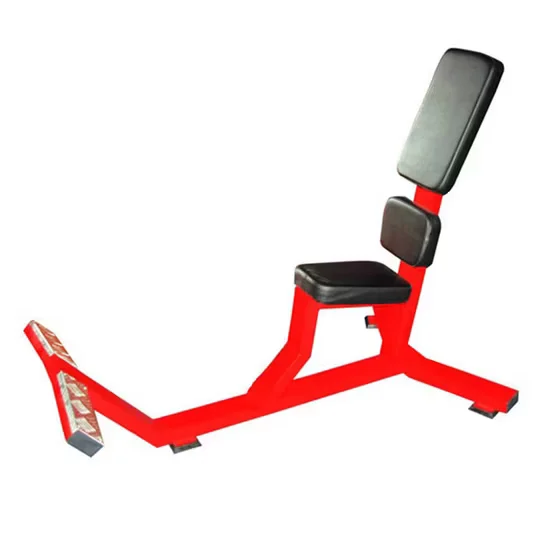
Commercial Utility Bench, 75-Degree Adjustment, 1120×640×1145mm — engineered with heavy-gauge steel frame and robotic MIG continuous welding for superior joint strength under heavy pressing loads. Pop-pin adjustment secures the incline pad firmly, eliminating wobble during high-intensity upper chest and shoulder work. Each unit undergoes full load testing before shipment to verify structural integrity for high-traffic commercial environments.
// Spec Highlights
• Direct from Manufacturer · No Middlemen · Worldwide Shipping
01
// Material
Imported Solid Wood
Premium hardwood frames sourced for density and visual warmth.
02
// Hardware
Medical-Grade Silent
Whisper-quiet pulleys and springs for clinical environments.
03
// Customization
Appearance OEM
Color, upholstery, and branding tailored to your studio.
04
// Service
Layout Design
Free venue planning for studios and rehab institutions.
Every component is selected for longevity, performance, and aesthetic harmony - from imported hardwood frames to silent medical-grade accessories.
// Features
Steel Traceability — Every tube on this bench is milled from certified Q235/Q345 coil stock, with grade documentation tied to each production batch.
| Parameter | Value |
|---|---|
| Product Type | Adjustable Utility Bench |
| Frame Steel | 11-gauge, 3×3 inch tube |
| Steel Grade | Q235 and Q345 industrial steel, mill-certified |
| Welding Type | Robotic MIG, continuous weld lines |
| Powder Coating | 200μm scratch-resistant |
| Product Dimensions | 1120 × 640 × 1145 mm |
| Net Weight | 28 kg |
| Adjustment Angle | 75 degree back pad |
| Upholstery | High-density commercial-grade vinyl, color selectable |
| Main Frame Color | Custom selectable |
| Certification | ISO 9001:2015, CE |
| OEM/ODM | Acceptable |
| Facility Type | Typical Use |
|---|---|
| Commercial gym strength floor | Primary pressing station for dumbbell and barbell incline work |
| Hotel fitness center | High-turnover general strength area with adjustable positioning |
| University strength and conditioning room | Athlete pressing and accessory work in periodized programs |
| CrossFit box functional zone | Supplemental strength station between rig and free weight areas |
Most bench failures start at the weld, not the tube.
When I was running installations across Latin American chain gyms, we pulled back an entire shipment of 75-degree benches after three months. The frames were spec’d as "commercial grade," but the weld joints at the back pad hinge were spot-welded. Under repeated heavy dumbbell pressing, those joints developed hairline cracks that spread through the tube wall. The steel itself never yielded — the connections gave up first. A commercial 75 degree utility bench lives or dies by how its joints handle eccentric loading cycles day after day. [NEED_CITE: weld classification and fatigue performance in structural steel]
Spot welding passes a visual inspection on the showroom floor. It does not survive thousands of load-on, load-off cycles from lifters dropping into position with heavy dumbbells. Continuous robotic MIG welds distribute stress along the entire seam, eliminating the single-point failure mode that defines most early bench retirements in high-traffic facilities.
This bench occupies the incline pressing plane, bridging flat bench work and overhead movements. In a commercial strength zone, it sits alongside flat utility benches and adjustable FID benches to cover the full pressing spectrum without redundant footprint. It suits facilities running moderate to high member density where adjustable equipment reduces the total station count needed. The 75-degree angle specifically targets upper pectoral and anterior deltoid development, making it a standard fixture in any serious pressing area. The commercial 75 degree utility bench frame geometry accommodates users across a wide range of torso lengths without requiring excessive pad travel.
A bench like this sees three distinct load types: static weight during holds, impact when lifters set down heavy dumbbells, and eccentric stress as users shift position mid-set. In a busy commercial gym, a single station might see dozens of users daily, each introducing slightly off-center loads that test weld integrity at the adjustment hinge. The pop-pin mechanism and its surrounding tube junction absorb the most cyclical stress. [NEED_CITE: EN 957 structural requirements for stationary training equipment] Upholstery contact points endure sweat saturation and repeated compression, while the powder coating at foot contact zones faces abrasion from dropped shoes and dragged weight plates.
The 11-gauge 3×3 inch frame tube defines the bench’s resistance to lateral flex during heavy unilateral pressing — thinner walls allow visible sway that destabilizes the lifter. Robotic MIG welding with continuous beads, rather than manual spot welds, ensures the hinge junction survives thousands of adjustment cycles without crack propagation. The 200μm powder coating, applied after sandblast preparation, prevents the contact-point chipping that exposes bare steel to sweat corrosion within the first year. Upholstery options range from standard to high-density commercial vinyl, where density directly determines how many months pass before compression set creates permanent divots under daily use.
Thin-walled tubing on an incline bench shows up as visible frame sway under heavy dumbbell loads, forcing lifters to stabilize the equipment instead of focusing on the movement. Spot-welded hinges that crack under cyclic loading create liability exposure far exceeding the manufacturing savings. Non-commercial vinyl upholstery absorbs sweat, develops seams splits, and requires replacement pads within months in a busy facility. [NEED_CITE: commercial upholstery durability standards for fitness equipment] Insufficient powder coating at adjustment pin contact points leads to rust staining that spreads under the finish, eventually requiring full frame stripping and recoating.
Every tube traces back to certified Q235 or Q345 mill coil, so you can verify exactly what steel is in your bench frame. Robotic MIG welding produces continuous weld lines at every structural junction, eliminating the spot-weld failure pattern that plagues cost-reduced benches. Each unit undergoes load testing before shipment, not sample-based batch testing. The 200μm industrial powder coating resists the chipping and sweat corrosion common at high-contact adjustment zones. A 10-year frame warranty backs the structural integrity of every bench that ships. [NEED_CITE: ISO 9001 quality management requirements for manufacturing] Facility planning support includes 2D-3D CAD layouts with correct safety clearances around this bench’s 1120 × 640 mm footprint. OEM options cover frame color, upholstery selection, and private label branding.
Provide your strength floor area and existing equipment list to receive a 2D-3D layout showing this commercial 75 degree utility bench positioned with correct safety clearances. Specify your average daily member traffic to confirm the structural grade matches your usage volume. Indicate your member demographic size range so we verify the adjustment positions cover your user base. Detail any custom requirements including frame color, upholstery color, and logo placement for a complete specification sheet.
Q: How do you tell a true commercial bench from a light-commercial model?
A: Check the frame steel gauge and verify it with a mill certificate — genuine commercial benches use 11-gauge or thicker tubing. Examine the welding at structural joints for continuous beads rather than spot welds. Request load test documentation for individual units, not just sample batch reports. The weight difference alone is telling: a real commercial bench feels substantially heavier because it uses more steel in critical stress zones.
Q: What does frame steel gauge have to do with bench stability?
A: Thicker gauge steel resists lateral flex during heavy unilateral pressing movements. When the frame flexes under load, the lifter wastes energy stabilizing the bench instead of pressing the weight. An 11-gauge tube with a 3×3 inch cross-section maintains rigidity under loads that would cause visible sway in lighter gauge frames, keeping the pressing surface stable through every repetition.
Q: Why is the 75-degree angle specifically useful for upper body work?
A: The 75-degree incline positions the pressing movement between flat bench and overhead angles, targeting the clavicular head of the pectoralis major and the anterior deltoid more directly. This angle fills a gap that flat and military benches leave open, allowing lifters to develop the upper chest and front shoulder without redundant equipment taking up floor space.
Q: How long does commercial bench upholstery typically last?
A: Upholstery lifespan depends on foam density and vinyl quality relative to daily usage volume. High-density commercial foam resists compression set far longer than standard padding in high-traffic environments. Look for replacement pad availability from the manufacturer, because even the best upholstery will eventually need renewal — the question is whether you can swap pads or must replace the entire bench.
Premium aesthetics meet quiet operation for boutique studio environments.
Medical-grade silence and precision for sports & postpartum recovery.
Furniture-grade craftsmanship for premium residential installations.
Compact premium setups for one-on-one and small-group training.
Aesthetic Pilates integration for hybrid wellness studio programming.
Multi-unit deployment with instructor-grade reliability for certification programs.
Tell us about your project. Our team will respond within 24 hours with pricing, customization options, and shipping details.
// Sales Director
William
+86 132 2531 1800
// Export Manager
Bella
+86 198 5412 8032
william@bickfit.com