01 / Scenario
STUDIO
P
High-End Pilates Studios
Premium aesthetics meet quiet operation for boutique studio environments.
ISO
9001
CE
Certified
OEM
Available
10YR
Warranty
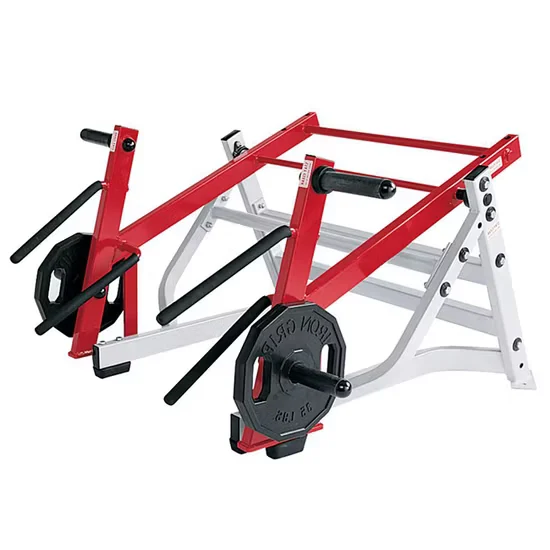
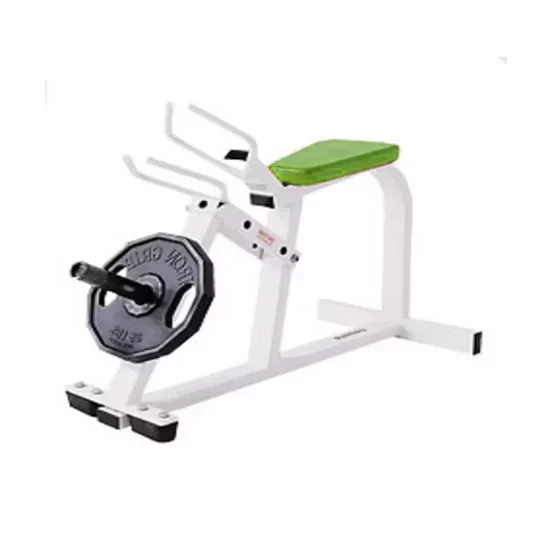
Commercial Hand Gripper Machine, 53kg Net Weight, 1075x580x855mm Dimensions — engineered with industrial steel frame construction and manual resistance system for high-traffic commercial gyms. The 53kg mass ensures platform stability during intense forearm and grip training, eliminating displacement under load. Every unit undergoes individual load testing before shipment, backed by 10-year frame warranty and CAD floor planning support.
// Spec Highlights
• Direct from Manufacturer · No Middlemen · Worldwide Shipping
01
// Material
Imported Solid Wood
Premium hardwood frames sourced for density and visual warmth.
02
// Hardware
Medical-Grade Silent
Whisper-quiet pulleys and springs for clinical environments.
03
// Customization
Appearance OEM
Color, upholstery, and branding tailored to your studio.
04
// Service
Layout Design
Free venue planning for studios and rehab institutions.
Every component is selected for longevity, performance, and aesthetic harmony - from imported hardwood frames to silent medical-grade accessories.
// Features
Mill-Certified Steel Frame — Every tube on this commercial hand gripper machine traces back to the coil certificate, so you know exactly what holds up under repeated grip loading.
| Parameter | Value |
|---|---|
| Product Type | Hand Gripper Machine |
| Frame Material | Steel, Q235 industrial grade |
| Welding Type | Robotic MIG continuous weld |
| Product Dimensions | 1075×580×855mm |
| Net Weight | 53kg |
| Loading Type | Manual |
| Adjustment Positions | Unfolded |
| Assembly State | Unfolded |
| Powder Coating | 200μm scratch-resistant |
| Certification | ISO 9001, CE |
| Facility Type | Typical Use |
|---|---|
| Commercial gym strength floor | Dedicated forearm and grip station between free weight racks |
| CrossFit box functional zone | Grip endurance work preceding barbell and rig sessions |
| Hotel fitness center | Compact grip trainer for limited floor space |
| University strength and conditioning room | Pre-hab and grip development for athletic programs |
| Rehabilitation and performance center | Progressive grip recovery under controlled manual resistance |
A continuous MIG weld bead distributes stress evenly; a spot weld concentrates it until the joint cracks under repetitive loading.
I have pulled apart forearm trainers that looked clean from the outside but had spot welds holding the pivot bracket to the main frame. Six months of heavy grip sets and the lateral arm separates right at the weld point — not because the steel failed, but because the welder only tacked three dots along a joint that needed a full bead. The commercial hand gripper machine sitting in your strength zone takes hundreds of maximal squeeze cycles per day, and each one sends force through the pivot and into the frame junction [NEED_CITE: weld classification and fatigue performance in structural steel]. If that junction was spot-welded, the clock is already ticking. Robotic MIG welding lays a continuous bead along the entire contact edge, meaning the load path spreads across the full joint length instead of focusing on three small fusion points.
A dedicated grip station fills a gap that free weights alone cannot cover — isolated forearm flexion and crush-grip loading under controlled resistance. Placed near the dumbbell area or at the end of a plate-loaded row, this commercial hand gripper machine gives members a targeted station without occupying the footprint of a full selectorized unit. It fits high-density floors where every square meter counts, and the manual resistance mechanism means no cables, no stack guides, and no electronics to route or protect. The 53kg net weight keeps it planted during aggressive sets without requiring floor anchoring on most commercial rubber surfaces.
Every squeeze on a grip trainer sends force through the pivot pin and into the surrounding weld zone. Multiply that by dozens of users per day, thousands of cycles per month, and the fatigue story becomes clear: the pivot bracket takes the most abuse. Under repetitive eccentric release — where the user lets the handles snap back — the impact concentrates at the weld toe [NEED_CITE: EN 957 structural requirements for stationary training equipment]. Non-sealed pivot points also accumulate chalk dust and sweat residue, which grinds into the contact surface over time. The 200μm powder coating around the handle contact zones resists the abrasion from knurling-pattern grips and the corrosive effect of daily sweat exposure and cleaning chemicals.
The frame material specification tells you whether the steel will hold its shape or begin to flex after months of compressive loading. Q235 industrial-grade steel provides a known baseline for yield behavior under static and cyclic loads, unlike vague "commercial-grade" labels that reveal nothing about the tube wall or alloy. The 1075×580×855mm footprint matters for aisle clearance — you need enough room on either side for a user to load and exit without brushing against the next station. Net weight at 53kg gives a stability reference: lighter units shift during aggressive grip work, while this mass keeps the base grounded without bolting. The manual loading type eliminates hydraulic seals and electronic sensors, both of which introduce maintenance intervals that a purely mechanical system avoids entirely.
Thin-wall tubing on grip machines may look identical in a product photo, but under a heavy-handed user the frame deflects visibly, and that flex transfers into the pivot hardware. Spot-welded pivot brackets carry a liability risk — when the weld fails mid-set, the handle releases without warning. Non-sealed bearings in the pivot accumulate metal-on-metal wear that shows up as handle play within the first year of commercial traffic [NEED_CITE: bearing service life in high-cycle fitness equipment]. Low-grade powder coating chips where the handle return stop makes contact, exposing bare steel to sweat and humidity until rust spreads under the adjacent coating layer.
The 11-gauge steel frame philosophy from our HD-700 series carries into every unit we build, and this grip trainer follows the same traceability standard — steel sourced with mill certification, not anonymous tube stock. Robotic MIG welding ensures the pivot bracket gets the same continuous bead treatment as a plate-loaded lat pulldown, because fatigue does not care whether the load is 200kg on a cable or repetitive grip force on a pivot. Every unit goes through load testing before it ships, not sample-based QC that misses one-off weld defects. The 200μm industrial powder coating handles the daily contact wear at handle stops and base edges. When you are planning a strength floor, we provide 2D-3D CAD layouts that show exactly where this 1075×580mm footprint fits with proper safety clearances to adjacent stations.
Provide your strength floor area and current equipment list so we can generate a 2D-3D layout showing where this grip station fits with compliant aisle clearances. Specify your expected daily user volume so we can confirm the structural grade matches your traffic pattern. If you need custom frame color, logo placement, or grip surface options, include those requirements and we will return a detailed quotation with lead time.
Q: How do I verify the structural difference between a commercial grip machine and a light-duty unit?
A: Request the steel grade and wall thickness documentation from the supplier. Light-duty units use thinner tube walls and often lack mill certification, meaning the frame specification is unverifiable. A true commercial unit provides traceable steel data, continuous weld records, and per-unit load test results that prove the frame handles repeated heavy grip loading without deflection or joint failure.
Q: What is the relationship between frame gauge and load capacity on a grip trainer?
A: The frame gauge determines how much the steel resists deformation when a user applies maximum grip force through the pivot mechanism. Thicker gauge steel with a known alloy specification maintains structural rigidity over thousands of cycles, while undersized tubing flexes and transfers stress into the weld joints. This is why verifiable steel specs matter more than a generic load rating printed on a label.
Q: How does manual resistance compare to hydraulic or electronic systems for maintenance costs?
A: Manual resistance eliminates hydraulic seals that leak over time and electronic sensors that require calibration. The mechanical system has fewer wear components, meaning maintenance is limited to pivot bolt inspection and contact surface cleaning. Hydraulic units need periodic fluid replacement, and electronic systems introduce circuit board failures — both add recurring costs that a manual commercial hand gripper machine avoids entirely.
Q: What safety clearance should I plan around a grip station on the strength floor?
A: Plan a minimum clearance zone on each side of the unit to allow users to approach, load, and exit without interference from adjacent equipment traffic. The supplier should provide a CAD layout showing the machine footprint with recommended safety perimeters based on the actual dimensions, not generic guidelines. Proper spacing prevents handle swing contact with passing members.
Q: What is the replacement cycle for grip handles and contact padding?
A: Handle surfaces and any contact padding degrade based on daily user volume and cleaning chemical exposure. Units with standard handle sleeves allow replacement when the grip texture wears smooth, while bonded grips require full handle swaps. Confirm with the supplier that replacement handle components are stocked and available for order separately, ensuring the unit stays operational without extended downtime.
Premium aesthetics meet quiet operation for boutique studio environments.
Medical-grade silence and precision for sports & postpartum recovery.
Furniture-grade craftsmanship for premium residential installations.
Compact premium setups for one-on-one and small-group training.
Aesthetic Pilates integration for hybrid wellness studio programming.
Multi-unit deployment with instructor-grade reliability for certification programs.
Tell us about your project. Our team will respond within 24 hours with pricing, customization options, and shipping details.
// Sales Director
William
+86 132 2531 1800
// Export Manager
Bella
+86 198 5412 8032
william@bickfit.com