01 / Scenario
STUDIO
P
High-End Pilates Studios
Premium aesthetics meet quiet operation for boutique studio environments.
ISO
9001
CE
Certified
OEM
Available
10YR
Warranty
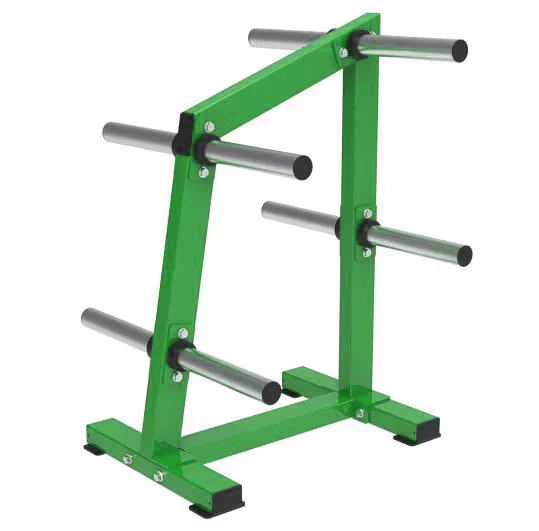
Plate Loaded Weight Tree, 710×610×1025mm Frame, 25kg Net Weight — constructed from industrial-grade steel with continuous robotic MIG welding to eliminate cold joints under repeated plate loading. Base footprint engineered for asymmetric load stability, finished with 200μm scratch-resistant powder coating at plate contact points. Every unit undergoes full load testing before shipment, backed by 10-year frame warranty and direct manufacturer support.
// Spec Highlights
• Direct from Manufacturer · No Middlemen · Worldwide Shipping
01
// Material
Imported Solid Wood
Premium hardwood frames sourced for density and visual warmth.
02
// Hardware
Medical-Grade Silent
Whisper-quiet pulleys and springs for clinical environments.
03
// Customization
Appearance OEM
Color, upholstery, and branding tailored to your studio.
04
// Service
Layout Design
Free venue planning for studios and rehab institutions.
Every component is selected for longevity, performance, and aesthetic harmony - from imported hardwood frames to silent medical-grade accessories.
// Features
Steel-Backed Storage — every weld on this plate tree is a continuous MIG bead, not a spot-weld shortcut that fails under repeated plate drops.
| Parameter | Value |
|---|---|
| Product Type | Plate Loaded Accessory |
| Frame Tube Size | 710 × 610 × 1025 mm |
| Steel Grade | Q235 Industrial Steel |
| Welding Type | Robotic MIG, continuous weld lines |
| Loading Type | Plate loaded |
| Material | Steel |
| Powder Coating | 200 μm scratch-resistant |
| Product Dimensions | 710 × 610 × 1025 mm |
| Net Weight | 25 kg |
| Assembly State | Unfolded |
| Color Options | Main frame and cushion color available per customer specification |
| Certification | ISO 9001, CE |
| Warranty | 10-year frame |
| Facility Type | Typical Use |
|---|---|
| Commercial gym free weight zone | Centralized Olympic plate and barbell storage near rack stations |
| Professional strength training club | High-capacity plate organization between power racks and benches |
| Hotel and resort fitness center | Compact storage solution keeping floor space clear for guests |
| University strength and conditioning room | Durable plate staging for team-based training sessions |
| CrossFit box functional area | Quick plate access during high-turnover WOD programming |
A weight tree that sags under load is a structural failure, not a cosmetic one.
Many storage units marketed for commercial use rely on thin-wall tubing and single-side spot welds at the peg-to-frame junction. Under full Olympic plate loading, those joints concentrate stress at a single point. Within months of daily plate changes, hairline cracks propagate from the weld, the cross-member deflects, and the entire unit becomes a tipping hazard. The problem is rarely the steel itself — it is the weld classification and the wall thickness that determine whether the frame holds shape through thousands of load cycles [NEED_CITE: weld classification and fatigue performance in structural steel]. A commercial plate loaded weight tree built with 11-gauge steel and continuous MIG welds distributes that stress across the full joint length, meaning the connection outlasts the peg.
A plate loaded weight tree occupies a specific logistical role: it anchors the free weight zone by keeping Olympic plates, fractional plates, and collars within arm’s reach of every rack and bench station. It pairs with power racks, half racks, and flat/incline benches to complete a plate-loaded training cluster. In facilities running high member density during peak hours, a well-placed tree reduces floor crossing and keeps traffic flowing between stations. The compact footprint of this commercial plate loaded weight tree allows placement in tight corridors between rack bays without compromising safe clearance for plate loading and unloading.
A weight tree endures an unusual stress profile — not dynamic impact, but repetitive eccentric loading as plates are slammed onto and yanked off pegs throughout the day. Each cycle applies a bending moment at the peg-to-frame weld. Over hundreds of daily repetitions, spot-welded joints develop micro-fractures that grow with every plate change. The powder coating chips at contact points where plate edges strike the frame, exposing bare steel to sweat and cleaning chemicals. On a unit with inadequate surface preparation, rust begins within weeks at those impact zones. Continuous robotic MIG welds and 200 μm industrial powder coating address both failure modes by eliminating cold joints and providing a scratch-resistant barrier [NEED_CITE: EN 957 structural requirements for stationary training equipment].
The phrase "commercial grade" on a weight tree listing often masks a frame built from 1.5 mm thin-wall tubing that deflects visibly under full plate load. What matters is verifiable gauge and tube cross-section. An 11-gauge frame with a 3 × 3 inch profile resists bending moments that would permanently deform a lighter tube. Welding method is equally critical: robotic MIG produces a continuous bead with uniform penetration, whereas manual spot welds leave unwelded gaps that become crack initiation points under cyclic loading. The 200 μm powder coating thickness, applied after sandblasting, ensures the finish survives years of plate contact without chipping to bare metal.
A cheaper weight tree saves margin on day one and costs it back in maintenance and replacement. Thin-wall tubing bends permanently when loaded asymmetrically, creating a lean that accelerates wear on one side. Spot welds that crack require frame replacement — the joint cannot be reliably re-welded in the field. Non-industrial powder coating chips within months, and once bare steel is exposed, corrosion spreads under the adjacent coating, forcing a full strip and repaint or outright disposal. Non-standard peg diameters mean replacement parts are unavailable from any supplier, turning a minor bend into a write-off [NEED_CITE: powder coating adhesion and impact resistance standards for gym equipment].
The 11-gauge Q235 steel used in this unit is mill-certified and traceable to the coil, so the gauge claim is verifiable, not marketing language. Every weld is a robotic MIG continuous bead — no spot-weld shortcuts at stress-concentrated peg joints. Each assembled unit undergoes load testing before shipment, confirming structural integrity under full plate capacity rather than relying on sample-based batch inspection. The 200 μm scratch-resistant powder coating is applied after sandblasting for mechanical adhesion that survives daily plate contact. A 10-year frame warranty backs the structural claims, and our 2D-3D CAD floor planning support ensures this commercial plate loaded weight tree is positioned with correct clearance distances from adjacent racks and benches in your facility layout.
Provide your free weight zone dimensions and current equipment list to receive a 2D or 3D floor plan showing optimal placement of this unit relative to racks and benches. Specify your expected daily user volume so we can confirm the structural rating matches your traffic. Share your frame and upholstery color preferences or OEM branding requirements to align the unit with your facility’s visual standard.
Q: How do I verify the steel gauge on a commercial weight tree before purchasing?
A: Request a mill certificate that traces the steel to the original coil — this document confirms gauge and grade independently of the manufacturer’s marketing claims. Visual inspection of the tube wall thickness at a cut end or weld joint provides additional confirmation. Units that describe their frame as "commercial grade" without specifying gauge or providing traceable documentation should be treated with caution during procurement evaluation.
Q: What welding method should I look for on plate loaded storage equipment?
A: Continuous MIG welding produces a uniform bead along the entire joint, distributing stress evenly across the connection. Spot welding leaves unwelded sections that concentrate load at discrete points, making them prone to cracking under repeated plate loading. When evaluating a unit, ask the manufacturer to confirm their welding process and request photos of actual weld beads rather than finished, painted joints where weld quality may be concealed.
Q: How does powder coating thickness affect long-term durability on gym storage units?
A: Powder coating applied at 200 μm after sandblasting provides a scratch-resistant barrier that withstands repeated plate contact without chipping to bare steel. Thinner coatings degrade at impact points within months of commercial use, exposing the frame to sweat and cleaning chemicals that accelerate corrosion. Confirm both the coating thickness and the surface preparation method, as adhesion depends on proper pre-treatment as much as on the coating itself.
Q: Can the frame color and dimensions be customized for our facility?
A: Main frame and cushion colors are available per customer specification to match your facility branding. OEM and private label options are supported, allowing custom logo placement and finish selection. Contact the manufacturer with your color codes and dimensional requirements to confirm feasibility and lead time for your project order.
Premium aesthetics meet quiet operation for boutique studio environments.
Medical-grade silence and precision for sports & postpartum recovery.
Furniture-grade craftsmanship for premium residential installations.
Compact premium setups for one-on-one and small-group training.
Aesthetic Pilates integration for hybrid wellness studio programming.
Multi-unit deployment with instructor-grade reliability for certification programs.
Tell us about your project. Our team will respond within 24 hours with pricing, customization options, and shipping details.
// Sales Director
William
+86 132 2531 1800
// Export Manager
Bella
+86 198 5412 8032
william@bickfit.com