01 / Scenario
STUDIO
P
High-End Pilates Studios
Premium aesthetics meet quiet operation for boutique studio environments.
ISO
9001
CE
Certified
OEM
Available
10YR
Warranty
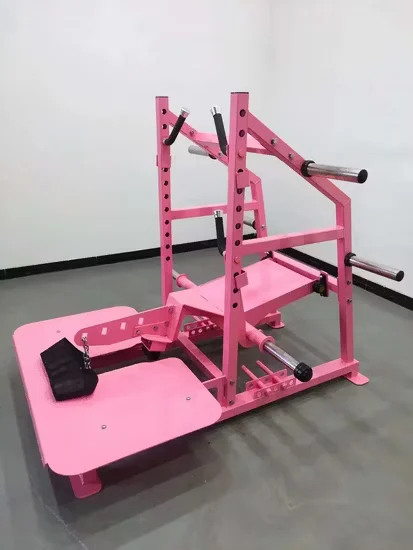
Plate Loaded Wrist Curl Machine, 36kg Net Weight, 562×1037×443mm Dimensions — built with industrial steel frame and continuous robotic MIG welding to eliminate pivot-point fatigue under repetitive forearm loading. Sealed bearings at the lever arm ensure smooth resistance curves without play over high-traffic use cycles. Every unit undergoes individual load testing before shipment, backed by a 10-year frame warranty and factory-direct floor planning support.
// Spec Highlights
• Direct from Manufacturer · No Middlemen · Worldwide Shipping
01
// Material
Imported Solid Wood
Premium hardwood frames sourced for density and visual warmth.
02
// Hardware
Medical-Grade Silent
Whisper-quiet pulleys and springs for clinical environments.
03
// Customization
Appearance OEM
Color, upholstery, and branding tailored to your studio.
04
// Service
Layout Design
Free venue planning for studios and rehab institutions.
Every component is selected for longevity, performance, and aesthetic harmony - from imported hardwood frames to silent medical-grade accessories.
// Features
Continuous Robotic MIG Welds — Pivot joints on this plate loaded wrist curl machine are fused with uninterrupted weld lines to eliminate stress fractures common in high-repetition forearm training.
| Parameter | Value |
|---|---|
| Product Type | Plate Loaded Wrist Curl Machine |
| Frame Steel Gauge | 11-gauge |
| Frame Tube Size | 3×3 inch |
| Steel Grade | Q235 / Q345 industrial steel |
| Welding Type | Robotic continuous MIG, no spot welds |
| Load Capacity | Tested beyond 500kg |
| Loading Type | Plate loaded |
| Bearing Type | Sealed industrial bearings at pivot |
| Powder Coating | 200μm scratch-resistant |
| Product Dimensions | 562 × 1037 × 443 mm |
| Net Weight | 36 kg |
| Certification | ISO 9001, CE |
| Warranty | 10-year frame |
| Facility Type | Typical Use |
|---|---|
| Commercial gym strength floor | Isolation station for forearm and grip finishing work |
| Hotel fitness center | Compact footprint for limited-space strength zones |
| University athletic department | Grip and wrist conditioning for field and court athletes |
| Rehabilitation and performance center | Controlled wrist flexion loading in late-stage recovery |
A continuous weld line at the lever arm pivot absorbs repetitive torque without developing micro-cracks.
When members load plates on a wrist curl station, the force concentrates at the pivot joint where the lever arm meets the main frame. Spot-welded joints on light-commercial units often show visible cracking within months of daily use, because the weld only contacts a fraction of the tube circumference. Unsealed bearings at this same joint ingest chalk dust and sweat residue, developing rotational play that translates into a sloppy, uneven resistance curve through the flexion arc [NEED_CITE: weld classification and fatigue performance in structural steel]. On a commercial plate loaded wrist curl machine, this joint is the single highest-stress point, and its construction determines whether the unit lasts five years or five months in a busy strength zone.
This unit occupies a dedicated isolation role for wrist flexion and forearm development, complementing the grip-intensive work performed on deadlift platforms and pulling stations. It fits naturally at the end of a strength circuit or along a wall-facing machine row where floor space is limited. The compact footprint allows placement in high-density commercial layouts without compromising user clearance. The fixed movement path suits users across a wide range of forearm lengths, as the pad contact point and loading horn position accommodate most adult anthropometrics without requiring adjustment mechanisms.
The load profile on this machine is predominantly static with slow eccentric phases, meaning the pivot joint endures sustained torque rather than sharp impact spikes. However, the repetitive nature of forearm training — high repetition counts with moderate plate loads — generates thousands of fatigue cycles per week at the weld seam connecting the lever arm to the upright. The sealed bearing at this pivot prevents particulate ingress from chalk and skin cells, maintaining consistent rotational resistance over extended service intervals. The powder-coated loading horns resist abrasion from repeated plate contact, while the pad upholstery withstands compression from sustained forearm contact under load [NEED_CITE: EN 957 structural requirements for stationary training equipment].
The 11-gauge steel frame with 3×3 inch tube sections establishes a deflection threshold that prevents visible flexing even when users load plates off-center on the horn. Q235 and Q345 grade steel, sourced with mill certification traceable to the coil, provides the baseline material integrity that generic "commercial grade" claims cannot verify. Robotic continuous MIG welding ensures the weld bead wraps fully around the tube intersection at the pivot, distributing stress across the entire joint circumference rather than concentrating it at discrete tack points. Sealed industrial bearings at the lever arm pivot exclude moisture and particulate contamination, a critical distinction from open bushings that develop slop within the first year of commercial use. The 200μm powder coating, applied over a sandblasted and pretreated surface, prevents chipping at the loading horns where metal plates make repeated contact.
Thin-walled tubing on budget forearm machines visibly deflects under plate load, creating an unstable feel that discourages progressive overload. Spot welds at the pivot joint concentrate stress at a few contact points, and when those welds fracture, the entire frame section often requires replacement rather than repair. Unsealed bearings demand frequent disassembly and regreasing, and once play develops, the uneven resistance curve makes the machine feel broken even though no single component has catastrophically failed. Thin powder coating chips at plate contact points within weeks, exposing bare steel to sweat-induced corrosion that spreads beneath the remaining finish [NEED_CITE: protective coating thickness and corrosion resistance in fitness equipment].
The 11-gauge frame steel on this plate loaded wrist curl machine comes with mill certification, not vague commercial-grade claims. Robotic continuous MIG welding at every pivot joint eliminates the spot-weld weak points that cause field failures under repetitive forearm loading. Every unit undergoes load testing before shipment — not sample-based batch testing — so structural performance is verified on the actual machine you receive. The 200μm industrial powder coating survives repeated plate impacts at the horns without chipping to bare metal. A 10-year frame warranty reflects confidence in the structural specification. For facilities planning a strength zone, CAD-based 2D and 3D floor planning support ensures this compact isolation unit integrates with safe clearance spacing around adjacent free weight and plate loaded stations.
Provide your strength floor dimensions and existing machine roster to receive a 2D or 3D layout showing optimal placement and clearance for this plate loaded wrist curl machine. Specify your average daily user volume so we can confirm the structural grade matches your traffic pattern. Share your member demographic to verify the fixed pad and horn geometry accommodates your user base. Indicate any customization requirements including frame color, pad upholstery grade, or facility branding on the shroud.
Q: How do I tell a commercial-grade wrist curl machine from a light-commercial one?
A: Inspect the pivot joint construction first. Commercial units use sealed bearings and continuous weld lines around the full tube circumference at the lever arm pivot. Light-commercial machines often rely on open bushings and discrete spot welds. Check whether the manufacturer provides steel mill certification for the frame tubing rather than generic material claims.
Q: What frame steel gauge is needed for plate loaded forearm isolation equipment?
A: An 11-gauge steel frame with 3×3 inch tube sections provides sufficient rigidity to resist deflection under off-center plate loading. Thinner gauges may flex visibly during use, creating an unstable platform that compromises the isolation movement path and accelerates fatigue cracking at the pivot weld.
Q: How can I verify weld quality at the pivot joint before purchasing?
A: Request the manufacturer’s weld inspection documentation and confirm whether robotic continuous MIG welding is used rather than manual spot welding. A continuous weld wraps fully around the tube intersection, distributing stress evenly. Ask for load testing records on the specific unit rather than sample-based batch test reports.
Q: What maintenance does the pivot bearing require in a high-traffic gym?
A: Sealed industrial bearings at the pivot point require minimal maintenance — a quarterly visual inspection for smooth rotation is typically sufficient. Unlike open bushings, sealed bearings exclude chalk dust and sweat contamination, eliminating the need for periodic disassembly and regreasing that unsealed alternatives demand.
Premium aesthetics meet quiet operation for boutique studio environments.
Medical-grade silence and precision for sports & postpartum recovery.
Furniture-grade craftsmanship for premium residential installations.
Compact premium setups for one-on-one and small-group training.
Aesthetic Pilates integration for hybrid wellness studio programming.
Multi-unit deployment with instructor-grade reliability for certification programs.
Tell us about your project. Our team will respond within 24 hours with pricing, customization options, and shipping details.
// Sales Director
William
+86 132 2531 1800
// Export Manager
Bella
+86 198 5412 8032
william@bickfit.com