01 / Scenario
STUDIO
P
High-End Pilates Studios
Premium aesthetics meet quiet operation for boutique studio environments.

ISO
9001
CE
Certified
OEM
Available
10YR
Warranty
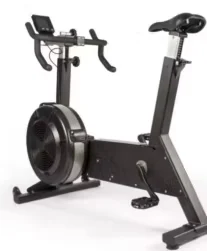
Commercial Spinning Bike, 150kg Max Load, 50-59kg Net Weight — engineered with power-style resistance adjustment and a heavy-duty steel frame for sustained high-traffic use. Sealed bearing system and 1010×580×1170mm footprint ensure stability during intense cycling sessions. Every unit undergoes individual load testing before shipment to guarantee commercial-grade reliability.
// Spec Highlights
• Direct from Manufacturer · No Middlemen · Worldwide Shipping
01
// Material
Imported Solid Wood
Premium hardwood frames sourced for density and visual warmth.
02
// Hardware
Medical-Grade Silent
Whisper-quiet pulleys and springs for clinical environments.
03
// Customization
Appearance OEM
Color, upholstery, and branding tailored to your studio.
04
// Service
Layout Design
Free venue planning for studios and rehab institutions.
Every component is selected for longevity, performance, and aesthetic harmony - from imported hardwood frames to silent medical-grade accessories.
// Features
Load-Tested Before Shipment — Every commercial spinning bike undergoes individual structural validation at 150kg capacity before leaving the factory floor.
| Parameter | Value |
|---|---|
| Product Type | Commercial Indoor Cycling Bike |
| Resistance Mechanism | Power-Style Resistance Adjustment |
| Max Load Capacity | 150kg |
| Net Weight | 50–59kg |
| Product Dimensions | 1010 × 580 × 1170mm |
| Certification | CE, GS, RoHS, FCC |
| Condition | New |
| Folded Configuration | Unfolded |
| Age Group | Adult |
| Origin | Shandong, China |
| Facility Type | Typical Use |
|---|---|
| Commercial Gym Cardio Zone | High-traffic group cycling and individual endurance sessions |
| Boutique Cycling Studio | Multi-class daily scheduling with sustained high-resistance riding |
| Hotel & Resort Fitness Center | Low-maintenance, long-duration availability for diverse guest profiles |
| Corporate Wellness Facility | Employee fitness programs with varied user experience levels |
A commercial spinning bike is only as reliable as its flywheel bearing assembly under sustained high-RPM loading. Sealed industrial bearings maintain rotational precision where open bushings develop measurable play within months of daily commercial use.
Operators purchasing units marketed as commercial-grade often discover that the flywheel wobbles under heavy resistance within the first half-year, creating an unstable pedal stroke that riders can feel immediately. The root cause is almost always an unsealed bearing system unable to withstand the combination of sweat infiltration, airborne gym dust, and continuous rotational stress. [NEED_CITE: bearing seal classification and contamination resistance in fitness equipment] When a spinning bike sits in a high-traffic cardio zone running eight or more hours daily, the bearing environment is among the most punishing in the entire facility.
This commercial spinning bike occupies the high-intensity endurance training segment of the cardio zone, delivering a fixed-geometry pedal platform that prioritizes lower-body power output and cardiovascular conditioning. It complements self-powered treadmills and air bikes by offering a seated, low-impact alternative that still demands significant muscular engagement through the power-style resistance mechanism. The 150kg load capacity and 50kg-plus net weight ensure stability during standing climbs and sprint intervals, accommodating a broad range of user body sizes across mixed-use commercial environments. Facilities running dedicated cycling classes benefit from the consistent resistance feel unit after unit.
Commercial spinning bikes endure a distinctive stress profile combining sustained rotational load, intermittent high-impact forces from standing efforts, and continuous exposure to sweat and cleaning chemicals. The crank-to-flywheel drivetrain experiences repetitive torque cycling that tests bearing integrity and shaft alignment over thousands of hours. Frame joints near the seat post and handlebar clamp zones concentrate stress during aggressive rider position changes, particularly when users adjust fit between classes. The resistance mechanism itself — whether friction-based or magnetic — must maintain consistent feel despite thermal buildup during extended sessions. Sweat corrosion on exposed metal surfaces and cleaning agent exposure on contact points challenge coating durability over time. [NEED_CITE: fatigue loading patterns in stationary cycling equipment structures]
The 1010 × 580 × 1170mm footprint defines the spatial envelope this commercial spinning bike occupies, dictating both the equipment density achievable on the cardio floor and the minimum safety clearance required between adjacent units. Net weight in the 50–59kg range directly correlates with vibration damping during high-cadence riding — lighter frames transmit more oscillation to the floor and reduce perceived stability during out-of-saddle efforts. The 150kg maximum load capacity reflects the structural design threshold of the frame assembly, ensuring that the combined weight of the rider and dynamic forces generated during sprint intervals remains within safe operational margins. The power-style resistance adjustment mechanism provides progressive load increase through a mechanical interface designed for consistent feel across the full resistance range, avoiding the dead spots or sudden engagement points that characterize lower-grade alternatives. Steel grade and tube gauge in the frame construction determine long-term resistance to flex and fatigue cracking at welded joints.
Frames built with thin-wall tubing and unspecified steel grades flex visibly under heavy riders, creating a perception of instability that undermines user confidence and accelerates fatigue at welded joints. Spot-welded connections — common in cost-reduced manufacturing — develop cracks under the repetitive torque cycling inherent to spinning bike use, creating structural failure points that are invisible during visual inspection but catastrophic under load. Non-sealed bearing systems require frequent replacement, generating ongoing maintenance costs and equipment downtime that far exceed the initial price savings. Low-density upholstery on the saddle compresses permanently within weeks of commercial use, forcing operators into a replacement cycle that disrupts class scheduling and creates inconsistent rider experience across the fleet. Powder coating applied without proper surface preparation chips at high-contact adjustment points, exposing bare steel to sweat-induced corrosion that spreads beneath the coating layer. [NEED_CITE: welding method comparison for cyclic fatigue resistance in fitness equipment]
Every unit rolls off a vertically integrated production line in Ningjin, Dezhou, where 17 years of commercial equipment manufacturing informs the structural decisions built into each frame. Robotic MIG welding delivers continuous weld seams without the weak points inherent in manual spot-welding, directly addressing the fatigue cracking risk that plagues high-traffic cardio equipment. Individual load testing at 150kg before shipment — not sample-based inspection — confirms that every commercial spinning bike meets the structural threshold required for commercial gym environments. The 200μm industrial powder coating provides scratch and corrosion resistance that outperforms standard finishes in sweat-heavy cardio zones. BICKFIT offers 2D-3D CAD floor planning support to optimize cardio zone layout, ensuring proper safety spacing between spinning bike units and complementary equipment. OEM private label programs allow operators to brand the equipment to match facility identity.
Provide your cardio zone floor dimensions and target equipment count to receive a 2D-3D layout plan showing optimal spacing and traffic flow for this commercial spinning bike. Specify your expected daily usage hours and class frequency so the structural configuration can be matched to your operational intensity. Indicate any OEM branding requirements including custom frame colors, logo placement, or saddle embossing to align the equipment with your facility identity.
Q: What distinguishes a true commercial spinning bike from fitness-grade alternatives?
A: Commercial-grade construction requires sealed industrial bearings rated for continuous daily operation, a frame structure with verified load capacity tested per unit rather than by sampling, and resistance mechanisms engineered to maintain consistent feel across thousands of hours of use. The 150kg load rating and 50kg-plus net weight of this unit reflect structural decisions made for high-traffic environments where equipment downtime directly impacts revenue.
Q: How does the power-style resistance mechanism perform under sustained high-intensity use?
A: The power-style resistance adjustment provides progressive mechanical loading through a durable interface designed for commercial duty cycles. Unlike friction pads that wear unevenly or magnetic systems requiring electronic controls, this mechanism delivers consistent resistance feel throughout extended sessions while maintaining mechanical simplicity that reduces maintenance requirements in high-usage facilities.
Q: What floor space and clearance does this commercial spinning bike require?
A: The unit measures 1010 × 580 × 1170mm in operating configuration. For safe commercial installation, maintain at least 600mm between adjacent bikes to allow riders to mount and dismount without interference, plus additional clearance for instructor movement during group cycling classes. BICKFIT provides 2D-3D CAD layout support to optimize your specific cardio zone dimensions.
Q: How does the sealed bearing system affect long-term maintenance costs?
A: Sealed industrial bearings resist contamination from sweat, dust, and cleaning chemicals that destroy open bushing systems in commercial environments. This dramatically extends service intervals compared to non-sealed alternatives, reducing both replacement part costs and equipment downtime. The bearing assembly is designed to maintain rotational precision throughout the commercial duty cycle without generating the wobble that forces early replacement.
Premium aesthetics meet quiet operation for boutique studio environments.
Medical-grade silence and precision for sports & postpartum recovery.
Furniture-grade craftsmanship for premium residential installations.
Compact premium setups for one-on-one and small-group training.
Aesthetic Pilates integration for hybrid wellness studio programming.
Multi-unit deployment with instructor-grade reliability for certification programs.
Tell us about your project. Our team will respond within 24 hours with pricing, customization options, and shipping details.
// Sales Director
William
+86 132 2531 1800
// Export Manager
Bella
+86 198 5412 8032
william@bickfit.com