01 / Scenario
STUDIO
P
High-End Pilates Studios
Premium aesthetics meet quiet operation for boutique studio environments.
ISO
9001
CE
Certified
OEM
Available
10YR
Warranty
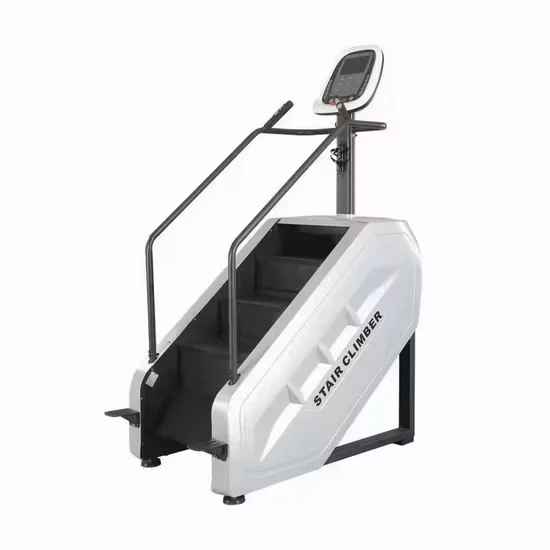
Commercial Stair Climbing Machine, Self-Powered Drive, ≥160kg Frame Weight — engineered with sealed industrial bearings and a precision drive system for consistent stepping resistance under continuous high-traffic use. Frame constructed from reinforced steel with 200μm powder coating at high-contact handrail zones to resist chipping. Every unit undergoes individual load testing before shipment, backed by a 10-year frame warranty for commercial operators.
// Spec Highlights
• Direct from Manufacturer · No Middlemen · Worldwide Shipping
01
// Material
Imported Solid Wood
Premium hardwood frames sourced for density and visual warmth.
02
// Hardware
Medical-Grade Silent
Whisper-quiet pulleys and springs for clinical environments.
03
// Customization
Appearance OEM
Color, upholstery, and branding tailored to your studio.
04
// Service
Layout Design
Free venue planning for studios and rehab institutions.
Every component is selected for longevity, performance, and aesthetic harmony - from imported hardwood frames to silent medical-grade accessories.
// Features
Traceable steel grade — Q235 and Q345 industrial steel with mill certification linked to each coil batch.
| Parameter | Value |
|---|---|
| Product Type | Stair Climber |
| Product Dimensions | 1450 × 800 × 2060 mm |
| Net Weight | ≥160 kg |
| Maximum Speed | <15 km/h |
| Loading Type | Self-powered / Motorized |
| Certification | CE, RoHS |
| Color Options | Multicolor / Customizable |
| Logo | Customized |
| Condition | New |
| Facility Type | Typical Use |
|---|---|
| Commercial gym cardio zone | High-volume daily stepping sessions for members and athletes |
| Hotel and resort fitness center | Continuous operation for diverse guest fitness levels |
| University athletic facility | Pre-season conditioning and sport-specific endurance training |
| High-traffic fitness studio | Group and individual cardio circuit integration |
Structural flex begins where steel specifications end. Many stair climbers on the market carry commercial-grade labels without verifiable frame gauge or steel grade documentation — leading to torsional flex, bearing play, and drive system wear well before expected service intervals. Operators who have replaced units within the first year of heavy use know the cost of this gap. [NEED_CITE: structural steel gauge requirements for stationary cardio equipment under repetitive loading]
This commercial stair climbing machine occupies the sustained low-impact cardio lane within a strength-focused facility. It targets the quadriceps, glutes, and calves through a continuous vertical stepping pattern, complementing rowers and air bikes that emphasize horizontal or pull-dominant movements. The self-powered and motorized loading options allow facility directors to match resistance profiles to member demographics — from rehabilitation return-to-run protocols to athlete conditioning blocks. Footprint dimensions of 1450 × 800 mm allow dense cardio row configuration while maintaining safe lateral clearance between adjacent units.
A stair climber endures a unique combination of static body weight, repetitive impact at each step transition, and eccentric loading when users shift grip position or lean into the handrail. Over thousands of daily cycles, these forces concentrate at the frame-to-column junctions, the stepping mechanism pivot points, and the drive system mounting brackets. Sealed bearings at the step roller axles resist dust and moisture intrusion from sweat and cleaning agents — a failure point where open bushings develop play and audible grinding within months. [NEED_CITE: bearing seal classification and contamination resistance in fitness equipment] The powder coating at handrail contact edges and step tread mounting points must resist chipping from repeated hand grip shifts and footwear abrasion.
Frame tube dimensions and wall gauge directly determine the torsional rigidity threshold before perceptible flex occurs under a 120 kg user at maximum stepping cadence. A 3×3 inch tube with adequate wall thickness resists lateral sway that would otherwise transfer unevenly to the stepping mechanism bearings. The drive system engineering — whether chain, belt, or direct drive — governs noise output, resistance consistency across the pedal stroke, and the replacement interval for tension components. Sealed industrial bearings at all pivot points eliminate the lubrication schedule that open bushings demand, reducing maintenance calls in facilities without dedicated in-house technicians. The 200μm powder coating applied over sandblasted surface preparation provides the adhesion base needed to resist chipping at high-contact zones. [NEED_CITE: powder coating adhesion standards for high-wear fitness equipment surfaces]
Thin-wall frame tubes that meet only visual "commercial" expectations will deflect under sustained heavy user loads, accelerating wear on the stepping mechanism and creating uneven resistance through the pedal cycle. Spot-welded frame joints that pass visual inspection develop fatigue cracks under repetitive loading, creating structural failure liability that far exceeds the initial procurement savings. Non-sealed bearings in a high-traffic cardio environment require frequent disassembly and replacement — labor costs that compound over a five-year equipment lifecycle. Low-density upholstery and thin powder coating at contact points lead to visible degradation and bare steel exposure within months, triggering member complaints and premature cosmetic replacement cycles. [NEED_CITE: weld joint fatigue performance under cyclic loading in structural steel frames]
Every commercial stair climbing machine shipped from the Ningjin facility carries mill-certified Q235 or Q345 steel documentation traceable to the original coil. Robotic MIG welding produces continuous weld seams along all structural frame joints — no spot-weld shortcuts that compromise fatigue life. Each unit undergoes individual load testing before shipment, not sample-based inspection, ensuring the stepping mechanism and frame assembly perform to specification under real-world conditions. The 200μm industrial powder coating over sandblasted steel provides long-term resistance to chipping at handrail and step edge contact points. Facility directors receive 2D-3D CAD layout support to optimize cardio zone spacing — ensuring this 1450 × 800 mm footprint integrates with safe clearance distances between units and emergency egress paths. Custom color and logo options allow brand alignment across multi-location gym chains.
Provide your cardio zone dimensions and current equipment list to receive a 2D-3D CAD layout showing optimal commercial stair climbing machine placement with safe clearance spacing. Specify your average daily user volume so we can confirm the structural grade matches your traffic intensity. Indicate your target user height range to verify step entry height and handrail positioning suit your member demographic. Custom color and logo requirements can be confirmed during the layout review process.
Q: How do I verify that a stair climber frame meets true commercial structural standards?
A: Request mill-certified steel documentation showing specific gauge and grade — not vague "commercial-grade" claims. Verify that welding is continuous MIG rather than spot-welded, and confirm that each unit undergoes individual load testing rather than sample-based inspection. These three elements together determine whether the frame will resist torsional flex and fatigue cracking under sustained daily use.
Q: What bearing type should a high-traffic stair climber use to minimize maintenance?
A: Sealed industrial bearings at all stepping mechanism pivot points resist dust, sweat, and cleaning agent intrusion that degrades open bushings within months. Sealed bearings eliminate the need for periodic lubrication and maintain smooth pedal motion through thousands of daily cycles. Ask for the specific bearing specification and expected service interval before procurement.
Q: How much clearance space does a commercial stair climbing machine need between units?
A: Maintain at least 600 mm lateral clearance between adjacent units to allow safe mounting and dismounting without elbow contact. Ensure a minimum 900 mm rear clearance for maintenance access and ventilation. A 2D-3D CAD layout from the manufacturer will confirm optimal spacing based on your specific cardio zone dimensions and emergency egress requirements.
Q: What powder coating specification prevents chipping at high-contact points?
A: A minimum 200μm industrial powder coating applied over sandblasted surface preparation provides the adhesion base needed to resist chipping at handrail edges and step tread mounting points. Ask for adhesion test results and confirmation that the coating process includes proper surface preparation — not just coating thickness alone.
Premium aesthetics meet quiet operation for boutique studio environments.
Medical-grade silence and precision for sports & postpartum recovery.
Furniture-grade craftsmanship for premium residential installations.
Compact premium setups for one-on-one and small-group training.
Aesthetic Pilates integration for hybrid wellness studio programming.
Multi-unit deployment with instructor-grade reliability for certification programs.
Tell us about your project. Our team will respond within 24 hours with pricing, customization options, and shipping details.
// Sales Director
William
+86 132 2531 1800
// Export Manager
Bella
+86 198 5412 8032
william@bickfit.com