01 / Scenario
STUDIO
P
High-End Pilates Studios
Premium aesthetics meet quiet operation for boutique studio environments.
ISO
9001
CE
Certified
OEM
Available
10YR
Warranty
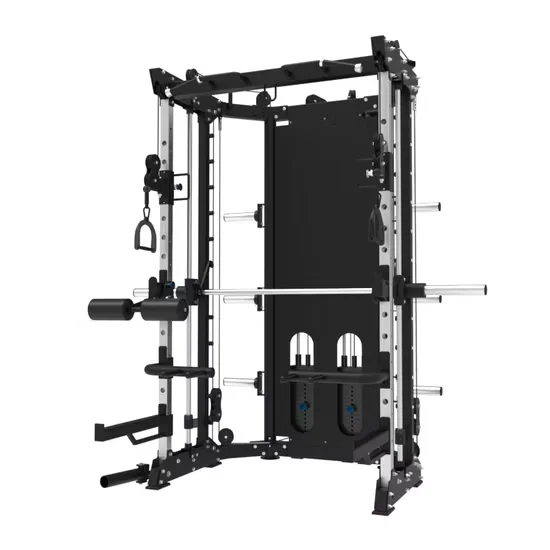
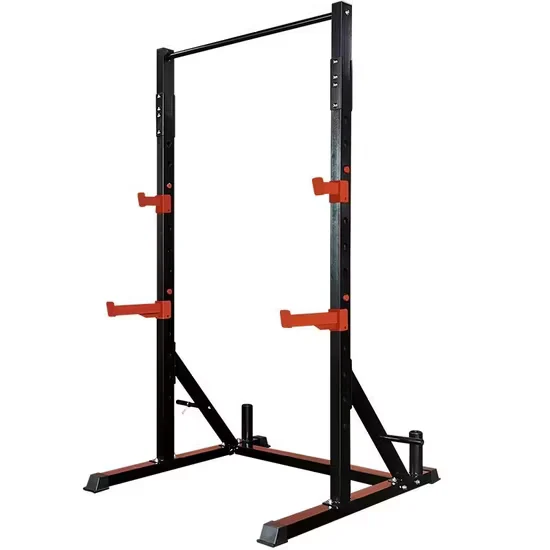
Squat Rack, 3mm Steel Frame, 1000×2000×1200mm Dimensions — constructed with 3mm thick steel tubing for structural rigidity under heavy barbell loading, featuring continuous welding for joint durability and plate-loaded configuration for commercial strength training. CE, ISO9001, and RoHS certified with customized color options available. Every unit undergoes individual load testing before shipment to verify structural integrity in high-traffic gym environments.
// Spec Highlights
• Direct from Manufacturer · No Middlemen · Worldwide Shipping
01
// Material
Imported Solid Wood
Premium hardwood frames sourced for density and visual warmth.
02
// Hardware
Medical-Grade Silent
Whisper-quiet pulleys and springs for clinical environments.
03
// Customization
Appearance OEM
Color, upholstery, and branding tailored to your studio.
04
// Service
Layout Design
Free venue planning for studios and rehab institutions.
Every component is selected for longevity, performance, and aesthetic harmony - from imported hardwood frames to silent medical-grade accessories.
// Features
Traceable Steel Origin — Mill-certified 11-gauge Q235 steel ensures every frame tube can be traced back to the coil batch for structural accountability.
| Parameter | Value |
|---|---|
| Product Type | Squat Rack |
| Frame Tube Size | 75×75mm (3×3 inch) |
| Frame Steel Gauge | 11-gauge |
| Steel Grade | Q235 industrial steel, mill-certified |
| Tube Thickness | 3mm |
| Welding Type | Robotic MIG continuous weld |
| Loading Type | Plate loaded |
| Powder Coating | 200μm scratch-resistant |
| Product Dimensions | 1000×2000×1200mm |
| Color Options | Customized |
| Certification | CE, ISO 9001, RoHS |
| Warranty | 10-year frame |
| Facility Type | Typical Use |
|---|---|
| Commercial gym strength floor | Primary squat and press station in high-traffic free weight zones |
| Community fitness center | Multi-user barbell training with durable frame and safety catches |
| Hotel fitness center | Compact footprint squat station for business traveler and guest use |
| University strength and conditioning room | Athlete barbell squats, rack pulls, and overhead pressing |
| Rehabilitation and performance center | Controlled loading progressions with safety spotter arms |
A 3mm tube wall under a 300kg barbell resists lateral deflection where thinner tubing begins to flex and compromise bar path.
Too many squat racks on the market carry a "commercial grade" label without any verifiable steel specification attached to the frame. The result is that thin-wall tubing quietly deforms under repeated heavy loads, and spot-welded joints develop hairline cracks that remain invisible until failure occurs during a loaded squat. When a facility operator cannot trace the steel gauge back to a mill certificate, the entire structural claim rests on marketing language rather than engineering data. [NEED_CITE: structural steel tube wall thickness and load deflection thresholds]
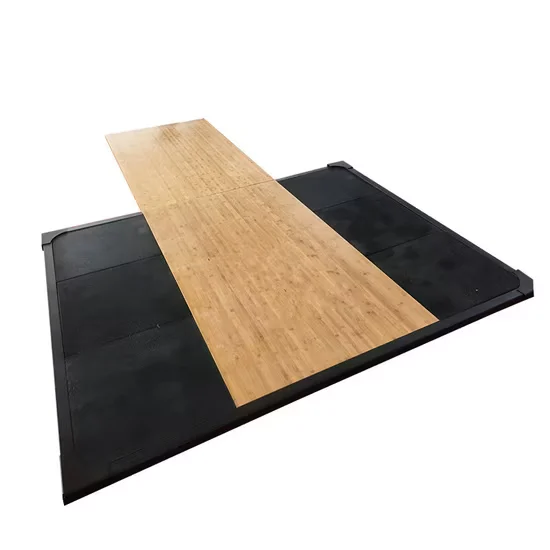
The commercial squat rack anchors the free weight section by providing a dedicated station for barbell squats, presses, and rack pulls. It pairs directly with Olympic platform flooring and bumper plate storage to create a complete barbell training cluster. In high-density gym layouts, multiple squat racks form the backbone of the strength floor, accommodating users across a wide range of body sizes through adjustable J-cups and safety spotter arms. The full-height uprights allow clearance for tall athletes performing overhead movements without interference from the frame structure.
Every loaded repetition on a commercial squat rack cycles the frame through static, eccentric, and impact stress phases. When a barbell is re-racked with force, the J-cup mounting points and upright base joints absorb concentrated impact loads that test weld integrity at the connection zones. Over thousands of loading cycles per week in a busy facility, fatigue stress accumulates most aggressively at the base gussets and crossmember junctions where geometry creates natural stress risers. The powder coating at contact points between the barbell and the rack also faces abrasion from knurled steel and chalk residue. [NEED_CITE: weld classification and fatigue performance in structural steel]
The 3mm wall thickness on a 75×75mm tube cross-section establishes the threshold at which the upright begins to resist bending under off-center loads. Continuous robotic MIG welding produces a uniform bead along each joint, eliminating the localized weak points inherent to spot welding where heat-affected zones concentrate stress. The Q235 steel grade provides a predictable yield behavior that allows engineers to calculate safe load limits with confidence, rather than relying on generic material claims. Sandblasting before the 200μm powder coat application removes mill scale and ensures coating adhesion that prevents corrosion from sweat and cleaning chemicals over years of commercial exposure. The 3×3 inch upright format also maintains compatibility with a broad range of aftermarket attachments including monolift arms, band pegs, and safety strap systems.
Reducing tube wall thickness to save on raw material costs creates a frame that visibly deflects under heavy barbell loads, accelerating metal fatigue at every welded joint. Spot-welded connections that pass a quick visual inspection in the showroom become liability points once the rack enters daily service, as cyclic loading exploits the unwelded gaps between spot points. Non-industrial powder coatings that measure below the 200μm standard chip away at contact zones within months, exposing bare steel to moisture and initiating rust that compromises structural appearance and long-term integrity. When a facility is forced to pull a squat rack off the floor for welding repair or full replacement, the downtime cost and member disruption far exceed the initial savings from choosing a lighter frame. [NEED_CITE: EN 957 structural requirements for stationary training equipment]
The 11-gauge frame steel used in this commercial squat rack carries mill certification that traces each tube batch to its origin, so operators can verify material claims beyond a catalog spec sheet. Robotic MIG welding replaces manual spot welding with continuous bead lines that distribute stress evenly across every joint rather than concentrating it at discrete weld points. Every unit undergoes individual load testing before shipment rather than relying on sample-based quality checks, catching any production variance before it reaches the gym floor. The 200μm powder coating applied over sandblasted surfaces protects the frame against the combined abrasion of knurled barbells, chalk, sweat, and commercial cleaning agents. Floor planning CAD support ensures this rack is positioned with correct safety clearances on each side, preventing barbell collisions and allowing safe spotter access during heavy lifts.
Facility operators preparing a strength zone buildout can submit floor dimensions along with a target equipment list to receive 2D and 3D layout drawings that position each squat rack with verified safety clearances. Specifying the expected daily user count helps confirm whether the 11-gauge frame and load rating align with the facility’s traffic volume. Sharing the target member demographic ensures the adjustable range on J-cups and safety arms covers the intended user population. Custom color and logo requests on the powder coat finish can be quoted alongside the structural configuration.
Q: How can a buyer distinguish a true commercial squat rack from a light-commercial version?
A: Request the mill certificate for the frame steel to verify gauge and wall thickness independently. Inspect the weld seams for continuous bead coverage rather than intermittent spot welds at the joints. Confirm that the manufacturer conducts load testing on every individual unit rather than relying on periodic sample checks from the production line.
Q: What steel gauge and tube dimensions are necessary for heavy barbell use?
A: An 11-gauge steel tube at 3×3 inch cross-section with a 3mm wall provides the structural rigidity needed to resist lateral flex under loaded squats and presses. Thinner gauges may hold up under moderate use but develop visible deflection and accelerated weld fatigue when subjected to daily heavy loading in a commercial environment.
Q: How should equipment spacing be planned around a squat rack in a strength zone?
A: Each squat rack station requires lateral clearance on both sides for barbell travel, spotter movement, and safe plate loading. Providing floor dimensions to the manufacturer enables a CAD layout that accounts for these clearances and ensures no dead space or unsafe overlap between adjacent training stations.
Q: What welding standard indicates long-term durability in a commercial squat rack?
A: Continuous MIG welding along every frame joint distributes load stress across the full connection length, unlike spot welding which leaves unwelded gaps that become fatigue initiation points. A manufacturer should be able to show weld inspection records and confirm that robotic welding is used to maintain consistency across production units.
Q: How can load capacity claims be verified beyond the spec sheet?
A: Ask the manufacturer for individual unit load test certificates that document each rack was tested before shipment rather than relying on a single prototype test. These records confirm the frame withstands the rated load without permanent deformation and provide traceability for insurance and compliance purposes.
Premium aesthetics meet quiet operation for boutique studio environments.
Medical-grade silence and precision for sports & postpartum recovery.
Furniture-grade craftsmanship for premium residential installations.
Compact premium setups for one-on-one and small-group training.
Aesthetic Pilates integration for hybrid wellness studio programming.
Multi-unit deployment with instructor-grade reliability for certification programs.
Tell us about your project. Our team will respond within 24 hours with pricing, customization options, and shipping details.
// Sales Director
William
+86 132 2531 1800
// Export Manager
Bella
+86 198 5412 8032
william@bickfit.com