01 / Scenario
STUDIO
P
High-End Pilates Studios
Premium aesthetics meet quiet operation for boutique studio environments.

ISO
9001
CE
Certified
OEM
Available
10YR
Warranty
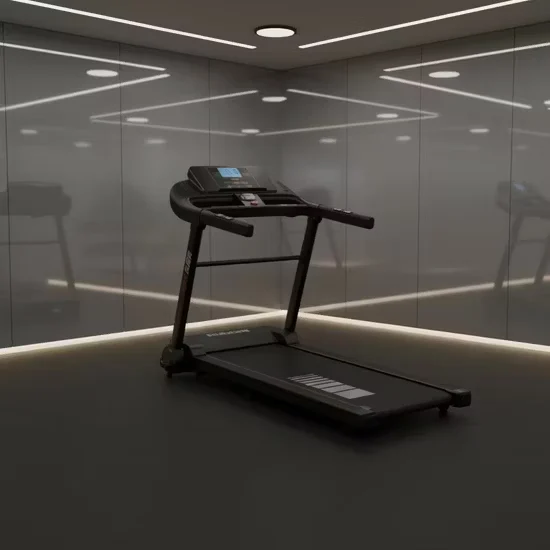
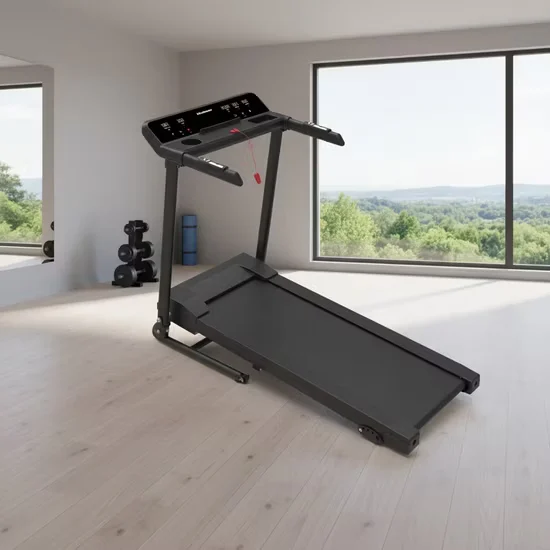
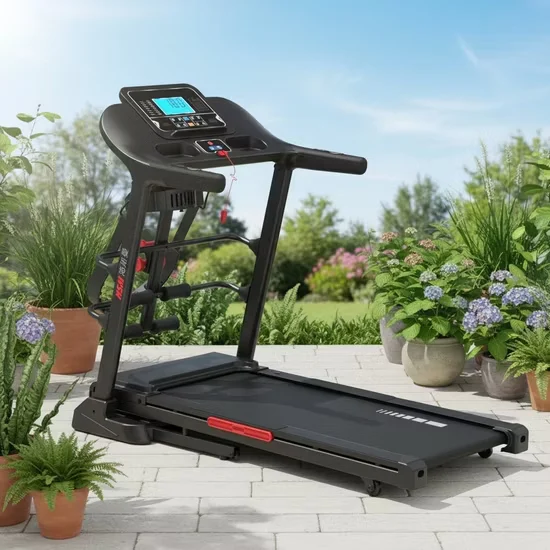
MT296 Commercial Motorized Treadmill, DC2.0HP Motor, 1200x520mm Runway — engineered with ABS housing for impact resistance and a foldable frame to optimize floor space in high-traffic facilities. The 16 preset programs and 1-20km/h speed range support diverse training intensities across commercial gym and hotel environments. Every unit undergoes load testing before shipment, ensuring structural reliability for continuous professional use.
// Spec Highlights
• Direct from Manufacturer · No Middlemen · Worldwide Shipping
01
// Material
Imported Solid Wood
Premium hardwood frames sourced for density and visual warmth.
02
// Hardware
Medical-Grade Silent
Whisper-quiet pulleys and springs for clinical environments.
03
// Customization
Appearance OEM
Color, upholstery, and branding tailored to your studio.
04
// Service
Layout Design
Free venue planning for studios and rehab institutions.
Every component is selected for longevity, performance, and aesthetic harmony - from imported hardwood frames to silent medical-grade accessories.
// Features
Continuous MIG Welds Eliminate Spot-Weld Weak Points — The MT296 frame joints use robotic MIG welding with continuous bead lines, removing the crack-prone intersections typical of spot-welded treadmill structures under sustained vibration.
| Parameter | Value |
|---|---|
| Designation | MT296 |
| Product Type | Commercial Motorized Treadmill |
| Motor Power | DC 2.0HP |
| Maximum Speed | 1–20 km/h |
| Programs | 16 |
| Runway Size | 1200 × 520 mm |
| LCD Display | Speed / Distance / Time / Calories / Pulse |
| Product Unfold Size | 1580 × 865 × 1300 mm |
| Product Folded Size | 910 × 865 × 1345 mm |
| Foldable | Yes |
| Net Weight / Gross Weight | 64.0 / 72.0 kg |
| Shell Material | ABS |
| Certification | CE, RoHS |
| OEM / ODM Custom | Available |
| Facility Type | Typical Use |
|---|---|
| Commercial Gym Cardio Zone | Mid-volume treadmill stations for general member use |
| Hotel & Resort Fitness Center | Space-efficient cardio equipment with foldable storage |
| University Athletic Facility | Warm-up and conditioning cardio for student athletes |
| Home Gym (Adult Users) | Compact cardio solution for dedicated residential fitness spaces |
Commercial motorized treadmill DC2.0HP ABS frame construction matters when equipment housing takes repeated hits from gym bags, dumbbells, and careless handling. ABS shell material resists impact deformation better than standard polystyrene blends, maintaining structural appearance through years of high-traffic use.
Many manufacturers specify vague "commercial-grade plastic" without disclosing material grade or impact ratings. In high-flow facilities, unidentified plastic housings yellow, crack, and chip within months — exposing internal wiring and creating maintenance liabilities. The MT296 uses ABS for its proven toughness and UV stability, reducing replacement frequency and preserving a professional appearance on the gym floor [NEED_CITE: ABS material impact resistance standards for fitness equipment enclosures].
The MT296 occupies the mid-range commercial motorized treadmill category, bridging light-commercial and full-gym institutional needs. Its 1200 × 520 mm runway accommodates users from average to above-average stride length, while the 1–20 km/h speed range covers walking through sprint intervals. The DC2.0HP motor delivers consistent belt drive for facilities where treadmills see moderate daily hours rather than continuous 12-hour operation cycles. In a commercial gym cardio zone, the MT296 pairs with higher-AC-powered units for heavy-use corridors and lighter models for low-traffic hotel installations. The foldable design allows layout flexibility during off-peak reconfiguration.
Treadmills endure a unique combination of continuous vibration, rhythmic impact loading, and environmental exposure. The motor mount and deck support frame absorb repetitive foot-strike forces transmitted through the running belt — stress that concentrates at welded joints and fastener points over thousands of cycles. Non-sealed bearings in the roller assembly allow dust and sweat ingress, accelerating wear and introducing belt-tracking drift. ABS housing on the MT296 shields the motor compartment and electronics bay from incidental contact damage while resisting the chemical degradation caused by gym cleaning agents and ambient sweat vapor [NEED_CITE: vibration fatigue analysis in motorized fitness equipment frames]. The folding hinge mechanism must maintain alignment through repeated articulation — a failure point in designs that prioritize compact storage over structural rigidity.
The DC 2.0HP motor rating defines the continuous torque envelope available for belt drive under user load. At this power level, the motor sustains steady-state operation for users up to approximately 90 kg at moderate speeds without thermal derating. The 1200 × 520 mm running surface provides adequate lateral margin for natural gait variation while keeping the overall footprint manageable for dense cardio floor layouts. ABS material selection for the motor cover and console housing reflects a balance between injection-moldability, impact resistance, and surface finish retention — properties that generic PP or PS blends cannot simultaneously deliver. The foldable frame design requires reinforced hinge hardware and locking pins rated for the dynamic loads introduced during treadmill operation, since any structural play at the fold joint translates directly into belt vibration and user discomfort.
Substituting thinner-gauge frame tubing or unspecified plastic housings reduces unit cost at the factory but shifts expense to the facility operator. Thin-wall steel frames flex under sustained running loads, accelerating deck wear and motor strain. Unspecified plastic housings crack under impact, exposing internal components and creating safety hazards. Non-sealed roller bearings develop play within the first year of commercial use, requiring premature replacement and introducing downtime. Powder coating applied below adequate thickness chips at contact points, exposing bare steel to corrosion from sweat and cleaning chemicals. These compromises compound — a cracked housing allows moisture ingress that corrodes fasteners, which then loosens under vibration, which then misaligns the belt tracking system [NEED_CITE: failure mode analysis in cost-reduced fitness equipment design].
The MT296 rolls out of a vertically integrated manufacturing operation where material traceability and process control define every production stage. Steel sourcing uses mill-certified Q235 and Q345 grades, with documentation traceable to the original coil. Robotic MIG welding produces continuous bead lines at every structural joint, eliminating the spot-weld failures that plague high-volume spot-welded frames. Every unit undergoes load testing before shipment — not sample-batch抽检 — verifying frame integrity and motor performance under simulated operating conditions. The 200μm industrial powder coating provides scratch and chemical resistance appropriate for commercial environments. A 10-year frame warranty backs the structural investment. For facility planners, 2D-3D CAD layout support ensures the MT296 integrates into cardio zones with proper clearances and traffic flow, accounting for the 1580 × 865 mm operational footprint and safe dismount spacing.
Provide your cardio zone dimensions and target equipment count to receive a 2D-3D floor plan showing MT296 placement with appropriate safety clearances. Specify average daily user hours so the engineering team can confirm whether the DC 2.0HP motor class matches your traffic volume or whether higher-duty equipment is warranted. If your facility requires custom colorways, branded console overlays, or specific upholstery grades, note these requirements in the inquiry. The layout team will integrate these specifications into the CAD proposal alongside adjacent equipment positioning and electrical access planning.
Q: How does the DC 2.0HP motor perform under continuous commercial use?
A: The DC 2.0HP motor delivers adequate continuous torque for moderate-traffic environments where individual treadmill sessions average 30–45 minutes with rest intervals between users. It sustains belt speed stability for users up to approximately 90 kg at speeds below 14 km/h without thermal overload. For facilities expecting continuous 8+ hour daily operation with back-to-back users, AC motor platforms rated for higher duty cycles provide longer service intervals.
Q: What advantages does ABS housing offer over standard plastic materials?
A: ABS provides superior impact resistance compared to polystyrene or polypropylene alternatives commonly used in cost-reduced treadmill designs. The material resists cracking from incidental contact with gym equipment, maintains color stability under indoor lighting, and withstands routine cleaning with commercial disinfectants without surface degradation. This translates to longer cosmetic service life and fewer housing replacements in high-traffic facilities.
Q: Does the 1200 × 520 mm runway accommodate taller users?
A: The 1200 mm length provides sufficient stride room for users up to approximately 185 cm tall at jogging speeds, with adequate safety margin at the rear for natural gait extension. The 520 mm width offers comfortable lateral positioning for most adult users. Taller athletes or those preferring aggressive sprint mechanics may benefit from longer running surfaces available on full-size commercial treadmill models.
Q: How durable is the folding mechanism under regular use?
A: The folding hinge incorporates reinforced steel pins and locking brackets designed for repeated articulation cycles typical of daily commercial or residential use. The mechanism maintains structural alignment when locked in the running position, preventing belt vibration caused by frame flex. Regular inspection of hinge pins and lubrication of pivot points per the maintenance schedule ensures long-term operational reliability.
Q: What maintenance intervals should facilities plan for?
A: Quarterly maintenance covers belt tension and tracking adjustment, roller bearing inspection, and deck lubrication. Monthly checks address folding mechanism hardware, console function, and emergency stop operation. ABS housing cleaning should occur weekly using non-abrasive methods. Motor brush inspection and replacement follows the manufacturer schedule based on operating hours, typically required after 1000+ hours of use in commercial settings.
Premium aesthetics meet quiet operation for boutique studio environments.
Medical-grade silence and precision for sports & postpartum recovery.
Furniture-grade craftsmanship for premium residential installations.
Compact premium setups for one-on-one and small-group training.
Aesthetic Pilates integration for hybrid wellness studio programming.
Multi-unit deployment with instructor-grade reliability for certification programs.
Tell us about your project. Our team will respond within 24 hours with pricing, customization options, and shipping details.
// Sales Director
William
+86 132 2531 1800
// Export Manager
Bella
+86 198 5412 8032
william@bickfit.com