01 / Scenario
STUDIO
P
High-End Pilates Studios
Premium aesthetics meet quiet operation for boutique studio environments.

ISO
9001
CE
Certified
OEM
Available
10YR
Warranty
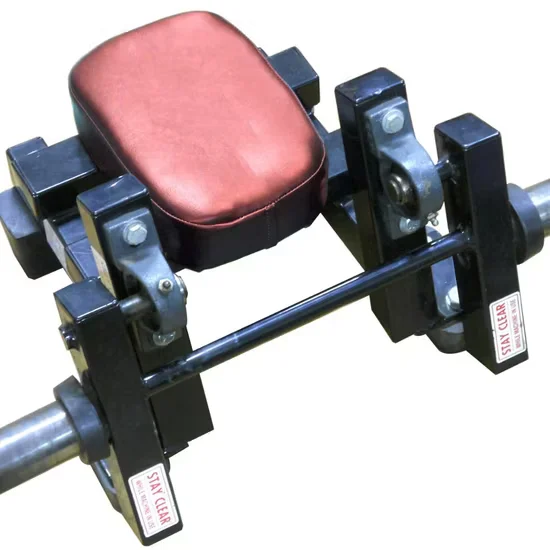
OSH---058 Selectorized Step Up Machine, Integrated Gym Trainer, 656×1200×1035mm — engineered with steel frame construction and sealed bearing pulley system for consistent resistance throughout full range of motion. The integrated loading mechanism eliminates plate variability while maintaining smooth tension curve during repetitive step training cycles. Every unit undergoes load testing before shipment to verify structural integrity for high-traffic commercial environments.
// Spec Highlights
• Direct from Manufacturer · No Middlemen · Worldwide Shipping
01
// Material
Imported Solid Wood
Premium hardwood frames sourced for density and visual warmth.
02
// Hardware
Medical-Grade Silent
Whisper-quiet pulleys and springs for clinical environments.
03
// Customization
Appearance OEM
Color, upholstery, and branding tailored to your studio.
04
// Service
Layout Design
Free venue planning for studios and rehab institutions.
Every component is selected for longevity, performance, and aesthetic harmony - from imported hardwood frames to silent medical-grade accessories.
// Features
Traceable Mill Steel — Every OSH-058 frame tube carries coil-level certification back to the Q235 steel origin, so you can verify gauge claims against mill paperwork.
| Parameter | Value |
|---|---|
| Designation | OSH—058 |
| Product Dimensions | 656×1200×1035mm |
| Net Weight | 49kg |
| Frame Material | Steel |
| Loading Type | Integrated Gym Trainer |
| Exercise Part | Leg |
| Color Options | Main frame and cushion colors available according to customer requirements |
| Upholstery | Standard or high-density options available |
| OEM/ODM | Acceptable |
| Certification | ISO9001, CE |
| Facility Type | Typical Use |
|---|---|
| Commercial gym strength floor | Dedicated leg training zone for step-up and unilateral lower-body work |
| Hotel fitness center | Compact integrated leg station for limited-space environments |
| University strength and conditioning room | Athletic performance training for sport-specific leg development |
| Rehabilitation and performance center | Controlled unilateral leg strengthening under guided resistance |
Thicker wall tubing resists the cyclic impact that destroys thin-frame step stations within months.
When a user drives off the step platform hundreds of times per session, the frame absorbs repetitive downward impulse that concentrates at the weld joints near the base. Equipment quoted as "commercial grade" without a verifiable steel specification often uses thinner tubing that looks identical on the showroom floor but begins to deform at the connection points once real traffic hits. The OSH058 commercial selectorized step up machine addresses this with a frame gauge and tube profile that maintains rigidity through thousands of loading cycles. Facilities that have cycled through multiple light-commercial units know that the replacement cost and floor downtime quietly exceed what a structurally sound unit would have cost from the start [NEED_CITE: EN 957 structural requirements for stationary training equipment].
The OSH058 fills a specific gap in lower-body programming: controlled, guided unilateral leg work that sits between free-weight step-ups and compound press machines. It pairs naturally alongside hack squat units and leg press stations, giving members a movement option that targets balance and single-leg strength without requiring a spotter or free-weight coordination. The compact footprint suits medium-to-high density strength floors where square meters matter. The fixed movement path accommodates a wide range of user heights through the platform geometry, making it accessible without extensive adjustment. This commercial selectorized step up machine integrates cleanly into circuit-style leg zones or standalone lower-body corners.
Every step repetition generates a downward impulse that travels through the platform support, into the uprights, and down to the floor-mounted base. Unlike a slow press movement, step training produces a sharp impact peak each time the user drives off the platform. Over hundreds of daily repetitions, these impulses accumulate at the weld seams connecting the platform support bracket to the main uprights. The bearings in the selectorized guide system face lateral stress as the resistance mechanism cycles through its range. Contact points between the user’s foot and the platform surface endure abrasion, while sweat and cleaning chemicals attack the powder coating on handgrips and uprights. The upholstery under the platform edge compresses and recovers with every session [NEED_CITE: weld classification and fatigue performance in structural steel].
The frame tube dimensions directly determine how much the upright can deflect before the user feels instability during a heavy step-off. A larger cross-section distributes the bending moment across more material, keeping the platform solid under load. Continuous MIG weld lines, as opposed to spot welds, eliminate the localized stress risers that initiate cracks at bracket connections. Sealed bearings in the selectorized guide mechanism prevent gym dust and moisture from contaminating the internal surfaces, which is the primary reason bushing-based systems develop play and require replacement within the first year of heavy use. The powder coating thickness and surface preparation before application determine whether the finish survives contact with shoes, cleaning chemicals, and the sweat that accumulates on hand contact points. Each of these specifications compounds over years of use, separating equipment that holds structural integrity from units that quietly degrade on the floor.
A thinner-walled frame tube might pass visual inspection and feel acceptable during a brief demo, but under months of repetitive step impacts, it begins to deflect at the platform connection points. Spot welds that look clean on the surface create concentrated stress zones that crack without warning, turning a minor structural choice into a liability incident. Unsealed bearings in the selectorized system absorb dust and moisture, developing lateral play that makes the resistance feel uneven and eventually requires a full bearing replacement. Low-density upholstery compresses permanently within weeks of heavy use, exposing the backing plate and forcing a re-upholstery expense. Insufficient powder coating chips at the platform contact edges, exposing bare steel to sweat and cleaning agents that accelerate corrosion.
The 11-gauge frame steel with mill-level traceability means the OSH058 tube gauge can be verified against coil certification, not just a supplier label. Robotic MIG welding produces continuous weld lines at every bracket joint, removing the weak points that spot-welded frames develop under repetitive step impacts. Every unit undergoes load testing before leaving the facility, so structural performance is confirmed per machine rather than assumed from a sample batch. The 200μm industrial powder coating provides coverage thickness that resists chipping at the high-contact platform edges and grip areas. A 10-year frame warranty backs the structural specification. For facilities planning a leg training zone, CAD layout support ensures proper clearance around the unit for safe user entry and exit without wasting floor space. OEM options allow color and branding customization to match facility design requirements.
Provide the total square meters allocated for your lower-body training area along with the surrounding equipment list to receive a 2D or 3D layout recommendation that accounts for safe clearance around the step platform. Specify your expected daily user volume so the structural grade matches your traffic pattern. Share the body-size range of your primary user population to confirm the platform geometry and resistance curve suit their biomechanics. If your facility requires specific frame colors, logo application, or upholstery material, include those requirements in your specification brief so the commercial selectorized step up machine arrives configured for your floor.
Q: How do I distinguish a commercial-grade selectorized step machine from a light-commercial unit?
A: Request the frame steel gauge and wall thickness with mill certification rather than accepting a general "commercial grade" label. Verify the welding method — continuous MIG welds at bracket joints resist cyclic impact far better than spot welds. Ask whether load testing occurs on every unit or only on sample batches. These structural details separate equipment built for sustained high-traffic use from units that will need replacement within the first year.
Q: What frame steel specification is necessary for a step machine in a high-traffic gym?
A: A step platform absorbs repetitive impact loading, so the frame tube gauge and cross-section must resist deflection over thousands of cycles. Thicker wall tubing with a larger profile maintains rigidity where thin-walled alternatives gradually deform at connection points. Weld continuity at the platform bracket is equally important, as impact stress concentrates at these joints. Insist on verifiable steel documentation rather than marketing descriptions alone.
Q: What are the maintenance differences between selectorized and plate-loaded step training equipment?
A: Selectorized units have guide bearings, cables, and a weight stack mechanism that require periodic inspection for play and wear, but they eliminate the daily plate handling and barbell sleeve maintenance of plate-loaded alternatives. Users simply move a pin to change resistance, reducing floor staff intervention. Plate-loaded step stations have fewer moving parts but demand more from the user and create higher noise levels during loading changes.
Q: How should I plan spacing around a selectorized step machine on the strength floor?
A: Allow clearance on all sides for safe user mounting and dismounting, particularly behind the platform where users step off under load. Consider adjacent equipment height and movement paths to prevent interference. Requesting a CAD layout that includes this unit alongside surrounding stations helps identify gaps that waste floor space or create unsafe pinch points between machines.
Q: What is the typical upholstery replacement timeline on a commercial step machine?
A: Upholstery lifespan depends on daily user volume, cleaning chemical exposure, and foam density. Standard-density foam compresses permanently faster under constant use, while higher-density options maintain their profile longer. When the cover material splits or the foam compresses to the backing plate, replacement is necessary for user comfort and hygiene. Confirm that replacement pads and covers are available as spare parts from the manufacturer before purchasing.
Premium aesthetics meet quiet operation for boutique studio environments.
Medical-grade silence and precision for sports & postpartum recovery.
Furniture-grade craftsmanship for premium residential installations.
Compact premium setups for one-on-one and small-group training.
Aesthetic Pilates integration for hybrid wellness studio programming.
Multi-unit deployment with instructor-grade reliability for certification programs.
Tell us about your project. Our team will respond within 24 hours with pricing, customization options, and shipping details.
// Sales Director
William
+86 132 2531 1800
// Export Manager
Bella
+86 198 5412 8032
william@bickfit.com