01 / Scenario
STUDIO
P
High-End Pilates Studios
Premium aesthetics meet quiet operation for boutique studio environments.

ISO
9001
CE
Certified
OEM
Available
10YR
Warranty
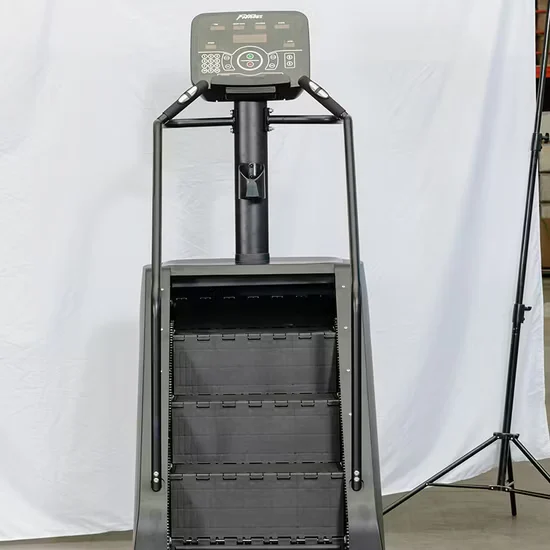
Commercial Electric Stair Climbing Machine, Motor Drive, 15–164 Steps/Min — steel pipe frame with PP housing engineered for sustained high-repetition operation across adjustable speed ranges. Console integrates time, steps, calories, and heart rate tracking with sealed mechanical components for daily commercial use cycles. Every unit undergoes load testing before shipment, backed by a 10-year frame warranty and factory-direct floor planning support.
// Spec Highlights
• Direct from Manufacturer · No Middlemen · Worldwide Shipping
01
// Material
Imported Solid Wood
Premium hardwood frames sourced for density and visual warmth.
02
// Hardware
Medical-Grade Silent
Whisper-quiet pulleys and springs for clinical environments.
03
// Customization
Appearance OEM
Color, upholstery, and branding tailored to your studio.
04
// Service
Layout Design
Free venue planning for studios and rehab institutions.
Every component is selected for longevity, performance, and aesthetic harmony - from imported hardwood frames to silent medical-grade accessories.
// Features
Motor-Driven Step Continuity — Sealed mechanical components engineered for sustained daily stepping cycles at speeds up to 164 steps/min without drivetrain degradation.
| Parameter | Value |
|---|---|
| Product Type | Electric Stair Climber / Step Mill |
| Drive Type | Motor Drive |
| Power Input | AC220V±10% / AC110V±10% |
| Running Velocity | 15 steps/min – 164 steps/min |
| Step Area | 560×240×200 mm |
| Product Dimensions | 1400×700×2000 mm |
| Net Weight | 148 kg |
| Console Display | Time, Climb, Calories, Steps, Heart Rate |
| Frame Material | Steel Pipe + PP Plastic |
| Folded | Unfolded |
| Color | Black |
| Certification | CE |
| Condition | New |
| Facility Type | Typical Use |
|---|---|
| Commercial Gym Cardio Zone | High-traffic stair climbing station for member retention and calorie-burn programming |
| Hotel & Resort Fitness Center | Compact footprint electric climber for limited-space wellness floors |
| Home Gym Premium Setup | Unfolded commercial-class unit for serious residential training |
| Corporate Wellness Facility | Scheduled group and individual step sessions during peak hours |
| Fitness Studio | Supplemental cardio alongside functional and strength zones |
A commercial electric stair climbing machine endures thousands of foot strikes per session — each one sending shock through the frame, motor mount, and step pivot bearings. Many suppliers label frames "commercial-grade" without disclosing steel pipe wall thickness or tube cross-section, leaving operators to discover flex and motor misalignment only after warranty expires.
Structural rigidity starts at the steel pipe specification, not the marketing label.
Thin-wall tubing deflects under continuous stepping loads, causing the motor drive to shift alignment and the step mechanism to wear unevenly. In high-traffic facilities running 8+ hours daily, this deflection accelerates bearing play and produces noise complaints within months. [NEED_CITE: structural deflection limits for repetitive impact loading in fitness equipment]
This electric stair climber occupies the vertical climbing movement plane, targeting lower-body endurance through continuous step repetition across a 15–164 steps/min range. In a commercial gym cardio zone, it pairs with treadmills and rowers to cover all three primary cardio modalities — impact running, pull-driven rowing, and vertical stepping. The 1400×700 mm footprint fits standard cardio row spacing, while the 2000 mm height requires overhead clearance verification. The 560×240 mm step area accommodates a wide range of user shoe sizes and stride positions during commercial electric stair climbing machine operation.
Every step generates an eccentric impact load concentrated on the leading pivot bearing and the motor drive coupling. Over a 10-hour operating day, these cyclic loads accumulate into millions of stress reversals across the step mechanism, frame joints, and motor mount bolts. The steel pipe frame must resist torsional flex that would otherwise misalign the step track and accelerate wear on open bearings. Welded joints at the motor mount and base frame experience combined shear and tension loading — any spot weld or cold joint becomes a fatigue initiation point. [NEED_CITE: fatigue performance of welded steel joints under cyclic loading] The PP plastic housing shields internal components from sweat and cleaning chemical exposure, while the frame’s powder coating must resist chipping at handrail contact points where users grip during high-intensity intervals.
The steel pipe frame and PP plastic housing combination separates structural load-bearing from environmental shielding — the steel pipe carries all dynamic stepping loads while the PP enclosure protects the motor drive and console electronics from moisture and impact. Frame tube wall thickness directly determines the deflection threshold under a 148 kg machine weight plus user load; insufficient wall thickness allows visible flex at the motor mount, leading to drivetrain vibration and premature bearing failure. The motor drive system must maintain torque consistency across the full 15–164 steps/min velocity range — thermal management becomes critical during extended daily operation when ambient gym temperatures rise. Console sensor wiring harnesses routed through the steel frame must use sealed connectors to prevent corrosion from sweat and humidity in commercial environments. The unfolded configuration means the full 1400×700×2000 mm envelope is permanent — there is no folding mechanism to introduce additional wear points or structural compromise.
Suppliers who omit steel pipe wall thickness specifications shift the failure cost to the operator — thin-wall frames flex under load, causing motor misalignment that voids the drive warranty. Open bearings in the step mechanism collect dust and sweat residue, developing audible play within the first year of high-traffic use and requiring full teardown replacement. Low-density PP housing cracks at impact points, exposing internal wiring to moisture damage. Non-standard motor drive components become unavailable after two years, forcing complete machine replacement instead of component-level repair. [NEED_CITE: total cost of ownership analysis for commercial cardio equipment] Thin powder coating chips at handrail grip zones, exposing bare steel to sweat corrosion that spreads underneath the remaining coating.
Every commercial electric stair climbing machine leaving the facility undergoes individual load testing — not sample-based inspection — verifying motor drive performance and step mechanism alignment under operational conditions before shipment. The steel pipe frame uses mill-certified Q235 or Q345 industrial steel with traceable coil origin documentation. Robotic MIG welding produces continuous weld lines at all structural joints, eliminating the spot weld weak points that crack under cyclic stepping loads. The 200μm scratch-resistant powder coating survives handrail contact and cleaning chemical exposure across the full frame surface. 2D-3D CAD floor planning support ensures the 1400×700 mm footprint and required safety clearances integrate correctly into your cardio zone layout before purchase. OEM private label and color customization options allow brand consistency across your facility’s equipment fleet.
Provide your cardio zone floor dimensions and existing equipment list to receive a 2D-3D CAD layout showing this commercial electric stair climbing machine positioned with correct safety clearances and traffic flow. Specify your facility’s daily operating hours and peak user volume so the motor drive duty cycle can be matched to your actual usage intensity. Indicate your target user height and weight range to confirm the step area and handrail positioning accommodate your member demographic. Custom color, logo placement, and console language options are available for multi-site fleet deployments.
Q: How do I distinguish commercial-grade from light-commercial stair climbers by frame and motor specification?
A: Request the steel pipe wall thickness and tube cross-section dimensions in millimeters — commercial units use heavy-wall tubing that resists deflection under continuous stepping loads. Verify the motor drive includes thermal protection and is rated for extended daily duty cycles, not intermittent residential use patterns. Light-commercial models typically omit these specifications or use thin-wall tubing that flexes visibly during operation.
Q: What motor drive parameters matter for continuous daily operation in high-traffic gyms?
A: The motor must maintain consistent torque output across the full 15–164 steps/min speed range without overheating during 8+ hour daily operation. Thermal protection certification ensures the drive shuts down safely before insulation damage occurs. Sealed motor bearings prevent dust and sweat contamination that causes premature failure in open-bearing designs used in residential equipment.
Q: How does step mechanism bearing type affect long-term maintenance cost and noise?
A: Sealed bearings retain lubrication and exclude dust, sweat, and cleaning chemical residue — maintaining smooth operation and quiet performance across millions of stepping cycles. Open bearings collect contaminants that accelerate wear, producing audible grinding and requiring full teardown replacement within the first year of commercial use. Sealed designs significantly extend service intervals and reduce labor costs.
Q: What footprint planning and safety clearance requirements apply to stair climber placement?
A: The 1400×700 mm machine footprint requires minimum 600 mm clearance on all sides for safe mounting, dismounting, and emergency access. Ceiling height must exceed 2000 mm plus user headroom — verify overhead clearance for tall users. Position the unit away from high-traffic walkways to prevent collision risk with users stepping on or off during operation.
Q: How should console display sensors be maintained under commercial humidity and sweat exposure?
A: Heart rate sensor contacts and console wiring connectors must be inspected quarterly for corrosion caused by sweat and humidity accumulation. Use only pH-neutral cleaners on the console surface — solvent-based products degrade plastic housings and seal gaskets. Replacement wiring harnesses and sensor modules should be available from the manufacturer for the equipment’s full service life.
Premium aesthetics meet quiet operation for boutique studio environments.
Medical-grade silence and precision for sports & postpartum recovery.
Furniture-grade craftsmanship for premium residential installations.
Compact premium setups for one-on-one and small-group training.
Aesthetic Pilates integration for hybrid wellness studio programming.
Multi-unit deployment with instructor-grade reliability for certification programs.
Tell us about your project. Our team will respond within 24 hours with pricing, customization options, and shipping details.
// Sales Director
William
+86 132 2531 1800
// Export Manager
Bella
+86 198 5412 8032
william@bickfit.com