01 / Scenario
STUDIO
P
High-End Pilates Studios
Premium aesthetics meet quiet operation for boutique studio environments.
ISO
9001
CE
Certified
OEM
Available
10YR
Warranty
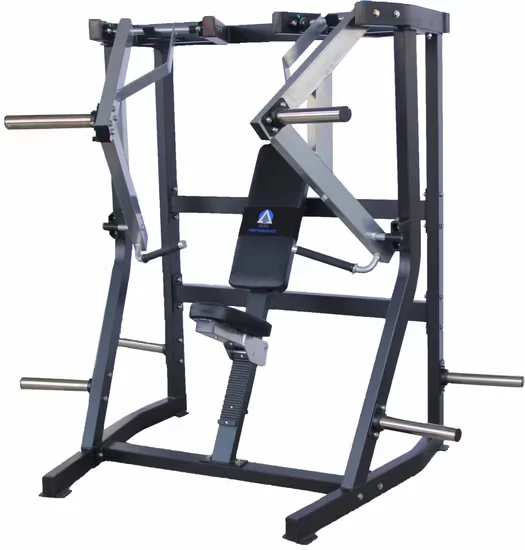
Commercial Decline Bench Machine, 141kg Net Weight, 1300×1150×1750mm Dimensions — built with steel frame construction and manual power source for chest-focused decline training in high-traffic gym environments. Features ISO9001 and CE certification with plywood case transport packaging for secure delivery. Every unit undergoes load testing before shipment to ensure structural reliability for commercial strength zones.
// Spec Highlights
• Direct from Manufacturer · No Middlemen · Worldwide Shipping
01
// Material
Imported Solid Wood
Premium hardwood frames sourced for density and visual warmth.
02
// Hardware
Medical-Grade Silent
Whisper-quiet pulleys and springs for clinical environments.
03
// Customization
Appearance OEM
Color, upholstery, and branding tailored to your studio.
04
// Service
Layout Design
Free venue planning for studios and rehab institutions.
Every component is selected for longevity, performance, and aesthetic harmony - from imported hardwood frames to silent medical-grade accessories.
// Features
Traceable Mill Steel — Every tube in this decline bench traces back to certified Q235/Q345 coil stock with documented gauge verification before fabrication begins.
| Parameter | Value |
|---|---|
| Product Type | Decline Bench |
| Frame Steel | 11-gauge, 3×3 inch tube |
| Steel Grade | Q235 and Q345 industrial steel, mill-certified |
| Welding Type | Robotic MIG, continuous weld lines |
| Product Dimensions | 1300×1150×1750mm |
| Net Weight | 141kg |
| Upholstery | Standard or high-density options available |
| Powder Coating | 200μm scratch-resistant industrial finish |
| Loading Type | Plate loaded |
| Exercise Part | Chest |
| Power Source | Manual |
| Certification | ISO 9001:2015, CE |
| Customization | Available |
| Facility Type | Typical Use |
|---|---|
| Commercial gym strength floor | Dedicated decline pressing station within free weight zones |
| Hotel fitness center | Compact chest training complement to flat and incline benches |
| University strength and conditioning room | Athletic program bench pressing progressions |
| CrossFit box functional zone | Accessory pressing work for competitive athletes |
| Rehabilitation and performance center | Controlled decline angle training under supervision |
Thicker tube walls resist bending at the exact stress points where commercial benches fail first.
Most decline benches labeled "commercial grade" ship with vague steel specifications that leave gym operators guessing about actual load capacity. Under repeated heavy pressing, thinner frames develop visible flex along the main rail, and spot-welded joints begin cracking where the upright meets the base. This bench uses verified 11-gauge steel with traceable mill certification, meaning the tube thickness is documented from coil to finished frame. The difference becomes apparent within the first year of high-traffic use when lighter benches start requiring weld repairs or frame replacements [NEED_CITE: EN 957 structural requirements for stationary training equipment].
This commercial decline bench machine occupies a specific role in chest training progressions, targeting the lower pectoral fibers that flat and incline benches cannot fully engage. On a strength floor, it pairs naturally with a flat bench station and an adjustable incline bench, forming a complete pressing triangle within a compact footprint. The 1300×1150mm base fits standard commercial spacing guidelines, leaving adequate clearance for spotters and plate loading on both sides. Athletes across a wide range of body sizes find the fixed decline angle and pad geometry accommodating without requiring multiple adjustment steps between users.
Every decline bench press cycle concentrates force at the junction where the angled backrest support meets the main frame rail. During eccentric lowering phases, the load on these joints increases significantly beyond the barbell weight itself, creating repeated stress cycles at the weld points. The foot anchor rollers endure constant impact as users hook and unhook their legs between sets, making the attachment hardware and surrounding tube wall particularly vulnerable to fatigue. Sweat accumulation around the pad contact area and cleaning chemical exposure accelerate coating degradation at high-wear surfaces over months of daily commercial operation [NEED_CITE: weld classification and fatigue performance in structural steel]. Upholstery compression follows a predictable pattern, with the upper back zone bearing the highest localized pressure during loaded repetitions.
The 3×3 inch tube profile provides a wide base cross-section that resists torsional twisting when plates are loaded unevenly on one side of the bar path. Continuous robotic MIG welding eliminates the cold joints and incomplete penetration zones that plague manual spot-welded frames at critical load-bearing connections. The 200μm powder coating thickness addresses a common failure mode where thin finishes chip at contact points, exposing bare steel to moisture and gym cleaning chemicals. Sandblast surface preparation before coating ensures adhesion that survives years of plate loading and equipment repositioning. Net weight of 141kg reflects the steel mass present in the frame, which directly correlates with the bench’s resistance to sliding or shifting during heavy use.
Thinner-walled tubing on decline benches may pass initial visual inspection but begins showing deformation under sustained barbell loading within months. Spot-welded joints that appear solid in the showroom develop hairline cracks under the repeated eccentric-concentric cycles of daily commercial pressing, creating liability exposure for gym operators. Low-density upholstery foam compresses permanently under high-frequency use, requiring pad replacement far sooner than anticipated and leaving equipment out of service. Powder coatings applied below industrial thickness specifications chip at plate contact points and roller attachment zones, starting rust cycles that spread beneath adjacent coating areas. When manufacturers use proprietary or non-standard hardware, sourcing replacement bolts, rollers, or pad assemblies becomes a multi-week sourcing problem instead of a routine maintenance task [NEED_CITE: commercial gym equipment lifecycle cost analysis for strength training stations].
The 11-gauge frame specification with mill-certified steel sourcing means gym operators can verify structural claims rather than relying on generic "commercial grade" marketing language. Robotic MIG continuous welding at every joint connection removes the variable quality inherent in manual spot-welding operations. Each unit undergoes individual load testing before shipment rather than sample-based batch testing, so the bench arriving at your facility has documented structural verification. The 200μm industrial powder coating resists chipping at the high-contact zones where plates and shoes repeatedly impact the frame. A 10-year frame warranty provides long-term structural assurance for capital planning purposes. Floor planning support includes CAD layout files showing this bench’s 1300×1150mm footprint with recommended safety clearances for spotter positioning and plate storage integration.
Provide your strength zone dimensions and existing equipment list to receive a 2D-3D layout showing how this bench integrates with your current pressing stations. Specify your average daily user volume so structural grade recommendations align with actual traffic patterns. Share the body size range of your primary user population to confirm pad geometry and foot anchor positioning meet their needs. Communicate any color, logo, or upholstery customization requirements early in the specification process to integrate them into the production schedule.
Q: How do I verify a decline bench is genuinely commercial grade rather than light-commercial?
A: Request the steel gauge specification with mill certification documentation rather than accepting vague "commercial grade" labels. Check whether welding uses continuous MIG beads or spot welds at load-bearing joints. Confirm that load testing is performed on every unit, not just production samples. Verify upholstery density ratings and replacement part availability for long-term maintenance planning.
Q: What frame specifications prevent a decline bench from flexing under heavy loads?
A: Tube gauge and cross-section dimensions together determine deformation resistance. An 11-gauge wall thickness in a 3×3 inch tube profile provides substantial resistance to bending under loaded barbell pressing. Continuous robotic welding at the upright-to-base junction prevents crack propagation that spot welds develop over repeated loading cycles. The overall unit mass also indicates how much structural steel is present in the frame.
Q: How does the decline bench footprint affect my gym floor planning and safety clearances?
A: The 1300×1150mm base requires lateral clearance on both sides for spotters to stand safely during heavy sets. Factor in additional depth behind the unit for plate storage racks if your configuration keeps weights nearby. Ceiling height must accommodate the full 1750mm height plus user clearance when seated upright. CAD layout files help visualize these spacing requirements within your specific floor plan.
Q: What maintenance schedule keeps a commercial decline bench operational long-term?
A: Monthly inspection of all bolted connections prevents loosening from vibration during use. Foot anchor roller hardware requires particular attention due to repeated impact loading. Upholstery should be cleaned with appropriate solutions to prevent sweat degradation of foam and cover materials. The powder-coated frame needs regular wiping to remove salt accumulation that accelerates corrosion at contact points.
Premium aesthetics meet quiet operation for boutique studio environments.
Medical-grade silence and precision for sports & postpartum recovery.
Furniture-grade craftsmanship for premium residential installations.
Compact premium setups for one-on-one and small-group training.
Aesthetic Pilates integration for hybrid wellness studio programming.
Multi-unit deployment with instructor-grade reliability for certification programs.
Tell us about your project. Our team will respond within 24 hours with pricing, customization options, and shipping details.
// Sales Director
William
+86 132 2531 1800
// Export Manager
Bella
+86 198 5412 8032
william@bickfit.com