01 / Scenario
STUDIO
P
High-End Pilates Studios
Premium aesthetics meet quiet operation for boutique studio environments.

ISO
9001
CE
Certified
OEM
Available
10YR
Warranty
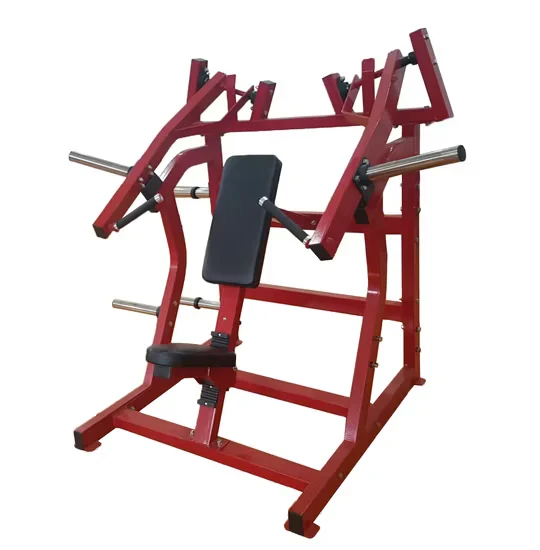
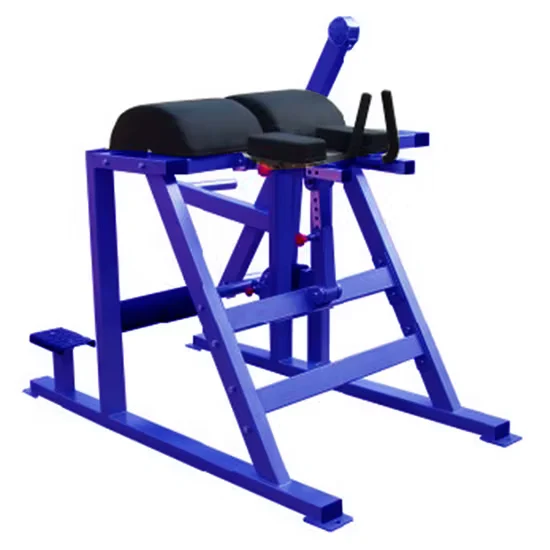
Plate Loaded Wrist Curl Machine, 3×3 Inch Frame Tube, 36kg Net Weight — engineered with Q235 steel and robotic MIG continuous welds to eliminate flex under repetitive forearm isolation loads. Sealed industrial bearings ensure smooth pivot rotation without maintenance in high-traffic commercial environments. Every unit undergoes three-stage load testing before shipment, backed by a 10-year frame warranty and floor planning support for safe clearance spacing.
// Spec Highlights
• Direct from Manufacturer · No Middlemen · Worldwide Shipping
01
// Material
Imported Solid Wood
Premium hardwood frames sourced for density and visual warmth.
02
// Hardware
Medical-Grade Silent
Whisper-quiet pulleys and springs for clinical environments.
03
// Customization
Appearance OEM
Color, upholstery, and branding tailored to your studio.
04
// Service
Layout Design
Free venue planning for studios and rehab institutions.
Every component is selected for longevity, performance, and aesthetic harmony - from imported hardwood frames to silent medical-grade accessories.
// Features
Mill-Certified Frame Steel — Every tube in this plate loaded wrist curl machine traces back to a Q235 coil certificate, so you always know what is bearing the load.
| Parameter | Value |
|---|---|
| Product Type | Plate Loaded Wrist Curl Machine |
| Frame Tube Size | 3×3 inch |
| Steel Grade | Q235 |
| Welding Type | Robotic MIG continuous weld |
| Loading Type | Plate loaded |
| Bearing Type | Sealed industrial bearing |
| Powder Coating | 200μm scratch-resistant, sandblast pre-treatment |
| Product Dimensions | 562×1037×443mm |
| Net Weight | 36kg |
| Certification | ISO 9001:2015, CE |
| Warranty | 10-year frame warranty |
| Color Options | Available upon request |
| Upholstery | Standard or high-density options available |
| Facility Type | Typical Use |
|---|---|
| Commercial gym strength floor | Dedicated forearm and grip isolation station in the plate loaded zone |
| University strength and conditioning room | Grip development for collegiate athletes in field and court sports |
| Hotel fitness center | Compact forearm training addition for business-class fitness facilities |
| Rehabilitation and performance center | Post-injury wrist flexor strengthening under controlled loading |
| CrossFit box functional zone | Supplemental grip work alongside barbell and rig training |
Continuous robotic MIG welds eliminate the fatigue cracks that end plate loaded forearm machines prematurely.
When a lifter loads a wrist curl with heavy plates, the pivot arm transmits eccentric torque through the weld joints on every single repetition. A spot weld might pass a visual inspection at the factory, but under cyclic loading it becomes a stress concentrator. We have seen pivot arm housings on comparable machines develop hairline cracks within months of daily commercial use, leading to bearing play and member complaints [NEED_CITE: weld classification and fatigue performance in structural steel]. That is why this commercial plate loaded wrist curl machine uses robotic MIG welding with full-penetration, continuous seams along every joint — no cold joints, no missed spots, no weak links in the load path.
This plate loaded wrist curl machine targets the wrist flexors and forearm musculature through a fixed rotational arc, complementing the compound pulling movements performed on lat pulldowns and rows. On a commercial gym strength floor, it occupies a dedicated isolation position, typically placed near the plate loaded arm and accessory cluster. The fixed movement path accommodates a wide range of user body sizes without requiring adjustment complexity, making it suitable for facilities with high member turnover.
Every repetition on a wrist curl machine applies an eccentric moment to the pivot arm assembly, meaning the loading direction reverses with each flexion and extension cycle. Over hundreds of daily repetitions in a busy commercial gym, this cyclic stress concentrates at the weld junction where the pivot arm meets the main frame upright [NEED_CITE: EN 957 structural requirements for stationary training equipment]. The sealed industrial bearings absorb the rotational shear, while the forearm pad contact zone endures repeated compression and friction against upholstery. Sweat and cleaning chemicals accelerate corrosion at any coating weakness, making the 200μm powder coating with sandblast pre-treatment essential for long-term surface integrity.
The 3×3 inch frame tube section provides a wide moment of inertia that resists torsional flex when a user loads one side of the pivot arm more heavily. Q235 steel offers consistent yield behavior under static and cyclic loads, paired with robotic MIG welding that produces uniform bead geometry and penetration depth — eliminating the porosity and undercut defects common in manual welding. Sealed industrial bearings prevent sweat, chalk dust, and cleaning solution from reaching the bearing race, which means smooth pivot rotation is maintained without periodic lubrication. The 200μm scratch-resistant powder coating, applied after sandblast surface preparation, creates a mechanical bond to the steel substrate that resists chipping at the high-contact forearm pad zone.
A frame built from thinner gauge tubing may look identical in a product photo, but under repeated plate loading it begins to deflect at the pivot axis, introducing lateral play that users feel as wobble. Spot-welded pivot housings crack silently — the first sign is often a member reporting an unusual vibration. Unsealed bushings wear oval within the first year of commercial use, requiring bearing replacements that shut the station down [NEED_CITE: bearing wear patterns in high-cycle fitness equipment]. Thin powder coating chips at the pad mounting points, exposing bare steel to sweat corrosion that spreads under the coating layer. Non-standard fasteners and proprietary pad shapes mean replacement parts are unavailable once the original supplier discontinues the model.
The 11-gauge steel frame with mill-certified coil traceability means the material in this commercial plate loaded wrist curl machine can be verified back to its production batch — not just described as "commercial grade." Robotic MIG continuous welds ensure every pivot arm joint carries the same load capacity as the frame itself, not a fraction of it. Each unit undergoes load testing before shipment, so the machine that arrives at your facility has already been proven under stress. The 200μm industrial powder coating withstands daily contact with forearm pads, chalk residue, and commercial cleaning agents. A 10-year frame warranty backs the structural commitment, and 2D-3D floor planning CAD support ensures the station is positioned with correct safety clearance from adjacent plate loaded and free weight equipment.
Share your strength zone floor area and current equipment list so we can generate a 2D-3D layout showing safe clearance around the wrist curl station. Specify average daily user volume to confirm the structural grade matches your traffic level. Indicate the target user population’s body size range so pad positioning and grip clearance are validated. Let us know any custom color, logo, or upholstery preferences to align the station with your facility branding.
Q: How can I verify the actual steel gauge instead of relying on "commercial grade" claims?
A: Request the mill certificate for the steel coil used in the frame tubing. A verifiable certificate traces the material grade, wall thickness, and production batch back to the rolling mill. This documentation confirms that the 3×3 inch frame tube meets the specified gauge rather than relying on an undefined marketing term that varies between suppliers.
Q: Why do sealed bearings matter more than bushings on a wrist curl machine?
A: Sealed industrial bearings prevent chalk dust, sweat, and cleaning chemicals from entering the bearing race, maintaining smooth pivot rotation under high-repetition use. Bushings lack this seal and wear into an oval profile within months of commercial traffic, introducing lateral play in the pivot arm that users perceive as wobble and that accelerates wear on adjacent weld joints.
Q: How should I plan spacing and clearance for a wrist curl station in a strength zone?
A: Account for the machine footprint plus plate loading radius on each side, typically requiring clearance for a user to load and unload Olympic plates without obstructing adjacent traffic lanes. A floor planning CAD layout confirms safe passage distances between the wrist curl station and neighboring plate loaded or free weight equipment, preventing congestion during peak usage hours.
Q: What is the expected service life of forearm pads under daily commercial use?
A: Pad longevity depends on upholstery density and surface material quality. Standard pads in a high-traffic commercial gym may show compression wear within the first year, while high-density options extend the replacement interval significantly. Requesting pad samples and specifying density at procurement ensures replacement parts remain available and compatible with the mounting hardware throughout the machine service life.
Premium aesthetics meet quiet operation for boutique studio environments.
Medical-grade silence and precision for sports & postpartum recovery.
Furniture-grade craftsmanship for premium residential installations.
Compact premium setups for one-on-one and small-group training.
Aesthetic Pilates integration for hybrid wellness studio programming.
Multi-unit deployment with instructor-grade reliability for certification programs.
Tell us about your project. Our team will respond within 24 hours with pricing, customization options, and shipping details.
// Sales Director
William
+86 132 2531 1800
// Export Manager
Bella
+86 198 5412 8032
william@bickfit.com