01 / Scenario
STUDIO
P
High-End Pilates Studios
Premium aesthetics meet quiet operation for boutique studio environments.

ISO
9001
CE
Certified
OEM
Available
10YR
Warranty
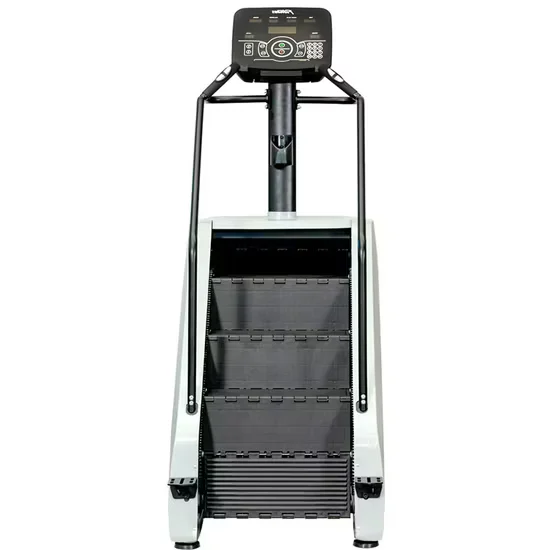
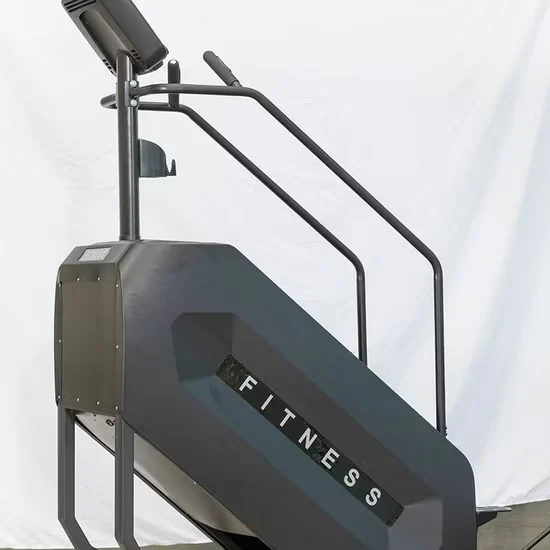
Commercial Stair Machine, Motor Drive, 15–164 Steps/Min — engineered with a steel pipe frame and sealed drive components for continuous operation in high-traffic fitness environments. Adjustable step velocity and a 560×235×220mm step area accommodate diverse training intensities across commercial gym floors. Every unit undergoes load testing before shipment, backed by a 10-year frame warranty and factory-direct floor planning support.
// Spec Highlights
• Direct from Manufacturer · No Middlemen · Worldwide Shipping
01
// Material
Imported Solid Wood
Premium hardwood frames sourced for density and visual warmth.
02
// Hardware
Medical-Grade Silent
Whisper-quiet pulleys and springs for clinical environments.
03
// Customization
Appearance OEM
Color, upholstery, and branding tailored to your studio.
04
// Service
Layout Design
Free venue planning for studios and rehab institutions.
Every component is selected for longevity, performance, and aesthetic harmony - from imported hardwood frames to silent medical-grade accessories.
// Features
Motor-Driven Step Mechanism for Continuous Commercial Use — engineered with steel pipe frame construction and adjustable speed range of 15–164 steps/min, designed for high-traffic fitness centers requiring reliable daily operation.
| Parameter | Value |
|---|---|
| Product Type | Commercial Stair Climber |
| Model | SQ1017 |
| Drive Type | Motor Drive |
| Step Area | 560×235×220mm |
| Running Velocity | 15–164 steps/min |
| Display Functions | Time, Climb, Calories, Steps, Heart Rate |
| Mains Input | AC220V±10% / AC110V±10% |
| Product Dimensions | 1450×820×2080mm |
| Net Weight | 148kg |
| Material | Steel Pipe + PP Plastic |
| Certification | CE |
| Facility Type | Typical Use |
|---|---|
| Commercial gym cardio zone | High-traffic stair climbing stations for endurance conditioning |
| Hotel and resort fitness centers | Durable equipment serving diverse guest user base |
| University athletic departments | Conditioning and endurance training for student athletes |
| Corporate wellness facilities | Employee fitness programs with varied intensity levels |
Many stair climbers marketed as commercial grade use thin-gauge tubing and unsealed bearings that develop play and noise within months of heavy daily use — compromising both safety and member experience.
The commercial stair climber machine for fitness centers must withstand continuous dynamic loading from repetitive stepping motion. When bearing seals fail, dust and sweat infiltrate the raceway, accelerating wear and creating operational noise that disrupts the gym environment. [NEED_CITE: bearing seal specifications for high-traffic fitness equipment]
Sealed industrial bearings maintain smooth operation under sustained commercial use conditions.
This commercial stair climber machine for fitness centers occupies the vertical climbing motion plane, targeting lower body endurance through sustained step repetition. It complements treadmills and ellipticals in the cardio zone by offering a distinct movement pattern that emphasizes quadriceps and gluteal engagement. The 1450×820mm footprint requires adequate clearance on all sides for safe mounting and dismounting. Facilities with high member density benefit from the motor-driven mechanism that maintains consistent step velocity regardless of user weight variations.
Stair climbers experience unique loading patterns combining static frame stress with dynamic impact forces from repetitive foot strikes. The motor drive system operates continuously during peak hours, generating thermal load that demands adequate ventilation and heat dissipation design. Step mechanism bearings endure cyclic loading as users mount and dismount, creating stress concentration points at connection joints. Handrail contact surfaces face abrasive wear from grip friction and chemical exposure from cleaning agents. The powder coating at step edges and frame joints must resist chipping from footwear contact and maintain appearance under daily sanitization protocols. [NEED_CITE: fatigue performance of welded steel structures under cyclic loading]
The steel pipe frame provides the foundational rigidity necessary to resist torsional flex during asymmetric stepping patterns. Tube diameter and wall thickness determine the moment of inertia, directly influencing resistance to bending under off-center loads. Motor drive specifications indicate thermal management capacity — units rated for 8+ hours daily operation incorporate cooling designs that prevent overheating during extended peak periods. The step area dimensions of 560×235×220mm accommodate varied foot sizes while maintaining biomechanically efficient stride patterns. PP plastic components at non-structural points reduce overall weight without compromising the load-bearing steel framework.
Thin-wall steel tubing deflects visibly under repeated loading, creating perceived instability that erodes user confidence. Unsealed bearings require frequent replacement as contaminants accelerate raceway wear, generating maintenance costs and equipment downtime. Inferior powder coating chips at high-contact points, exposing bare steel to sweat corrosion that spreads beneath the surface finish. Non-standard hardware dimensions prevent sourcing replacement components, forcing complete assembly replacement when individual parts fail. These compounding failures shorten equipment service life and increase total cost of ownership beyond initial purchase savings. [NEED_CITE: corrosion mechanisms in fitness equipment powder coating systems]
The steel pipe frame construction uses mill-certified materials with traceable sourcing documentation. Motor drive systems undergo load testing and thermal endurance validation before shipment. Each commercial stair climber machine for fitness centers receives individual inspection verifying step mechanism alignment and bearing operation. The 200μm powder coating application follows proper surface preparation including sandblasting for adhesion. Technical support includes 2D-3D facility planning with CAD layouts optimizing equipment placement and safety clearances. The 1450×820×2080mm dimensions inform precise floor planning to prevent unsafe spacing between cardio stations.
Provide your facility’s cardio zone dimensions and equipment list to receive 2D-3D layout planning with optimized equipment placement. Specify daily usage volume to confirm the motor drive system matches your operational intensity requirements. Indicate target user demographics to verify step area dimensions accommodate your member profile. Customization options include color selection and branding integration for multi-location deployments.
Q: How do motor-driven stair climbers differ from self-powered models for commercial use?
A: Motor-driven stair climbers maintain consistent step velocity regardless of user weight, providing uniform training intensity across varied fitness levels. The electric drive system eliminates the initial resistance spike common in self-powered units, reducing joint stress during startup. Motor-driven designs suit high-traffic environments where equipment must perform reliably throughout extended operating hours without user-dependent speed variation.
Q: What maintenance intervals should facilities expect for commercial stair climbing equipment?
A: Bearing inspection and lubrication should occur quarterly in high-traffic facilities, with annual replacement depending on usage intensity. The motor drive system requires minimal maintenance beyond ensuring adequate ventilation and periodic electrical connection checks. Step mechanism components need monthly visual inspection for wear indicators, with replacement parts available through standard service channels.
Q: How does frame construction affect long-term stability of stair climbing machines?
A: Steel pipe frame construction provides superior rigidity compared to thin-wall tubing, resisting torsional flex during asymmetric loading patterns. Proper tube diameter and wall thickness prevent visible deflection under repeated foot strikes, maintaining user confidence in equipment stability. Welded joint quality directly influences fatigue resistance, with continuous weld patterns distributing stress more effectively than spot-welded connections.
Q: What safety clearances are required around commercial stair climbers in gym layouts?
A: The 1450×820mm footprint requires minimum 600mm clearance on all sides for safe mounting and dismounting operations. Additional space accommodates user arm movement during stepping motion and provides maintenance access to motor drive components. Facility planners should consider traffic flow patterns to prevent congestion during peak usage periods.
Premium aesthetics meet quiet operation for boutique studio environments.
Medical-grade silence and precision for sports & postpartum recovery.
Furniture-grade craftsmanship for premium residential installations.
Compact premium setups for one-on-one and small-group training.
Aesthetic Pilates integration for hybrid wellness studio programming.
Multi-unit deployment with instructor-grade reliability for certification programs.
Tell us about your project. Our team will respond within 24 hours with pricing, customization options, and shipping details.
// Sales Director
William
+86 132 2531 1800
// Export Manager
Bella
+86 198 5412 8032
william@bickfit.com