01 / Scenario
STUDIO
P
High-End Pilates Studios
Premium aesthetics meet quiet operation for boutique studio environments.

ISO
9001
CE
Certified
OEM
Available
10YR
Warranty
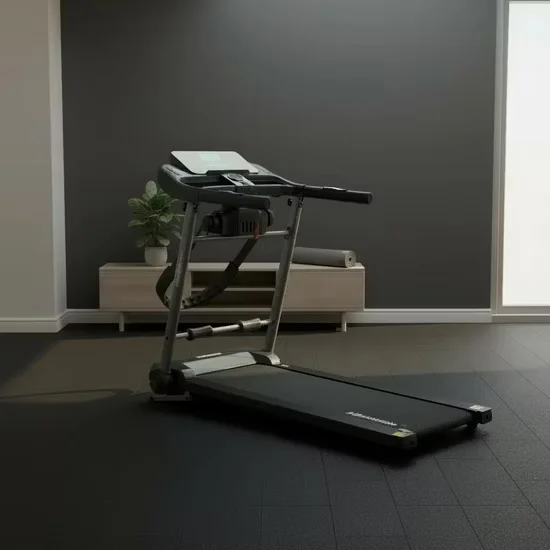
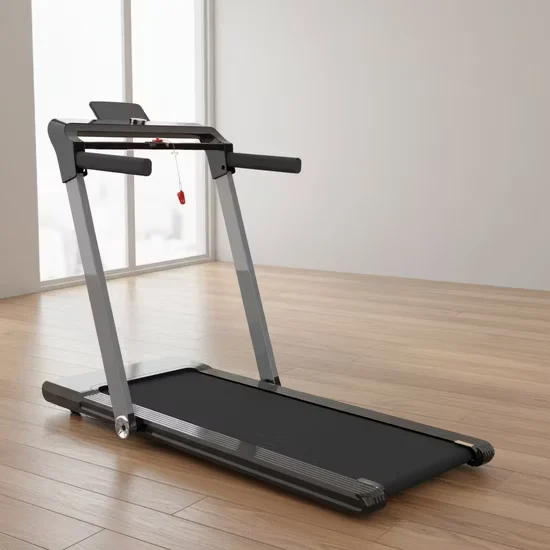
MT026M Electric Folding Treadmill, 1.5HP Motor, 1200×460mm Running Surface — engineered with a 12 preset program matrix and LCD feedback covering speed, distance, time, calories, and pulse for structured home cardio and light rehabilitation sessions. The foldable chassis collapses to 390mm height, maximizing floor efficiency in compact environments. Every unit undergoes full load testing before shipment, ensuring structural reliability for daily use.
// Spec Highlights
• Direct from Manufacturer · No Middlemen · Worldwide Shipping
01
// Material
Imported Solid Wood
Premium hardwood frames sourced for density and visual warmth.
02
// Hardware
Medical-Grade Silent
Whisper-quiet pulleys and springs for clinical environments.
03
// Customization
Appearance OEM
Color, upholstery, and branding tailored to your studio.
04
// Service
Layout Design
Free venue planning for studios and rehab institutions.
Every component is selected for longevity, performance, and aesthetic harmony - from imported hardwood frames to silent medical-grade accessories.
// Features
MT026M Electric Fold Treadmill for Rehabilitation Training
Folding Mechanism Integrity — The MT026M’s hinge assembly and deck-lock latch undergo repeated cycle testing to ensure structural stability when the 1200×460mm running surface transitions between folded and operational positions.
| Parameter | Value |
|---|---|
| Designation | MT026M |
| Product Type | Electric Folding Treadmill |
| Motor Power | 1.5 HP |
| Speed Range | 1–12 km/h |
| Running Surface | 1200 × 460 mm |
| Unfolded Dimensions | 1465 × 750 × 1150 mm |
| Folded Dimensions | 1465 × 750 × 390 mm |
| Net Weight | 46.0 kg |
| Preset Programs | 12 |
| Display | LCD (Speed / Distance / Time / Calories / Pulse) |
| Shell Material | ABS |
| Foldable | Yes |
| Certification | CE, RoHS |
| OEM / ODM | Available |
| Facility Type | Typical Use |
|---|---|
| Home fitness environments | Daily cardiovascular exercise and light conditioning in space-constrained apartments |
| Rehabilitation and performance centers | Low-speed gait training and post-injury recovery protocols |
| Hotel and boutique studio fitness rooms | Compact cardio placement where floor area is limited |
| Corporate wellness facilities | Employee fitness rooms requiring stowable equipment |
A folding treadmill lives or dies by the structural integrity of its hinge and deck-lock mechanism.
Many units on the market advertise commercial-grade construction yet rely on thin-wall steel tubing and spot-welded joints at the folding pivot. Under repeated folding cycles and dynamic loading during running, these welds develop micro-cracks that propagate into visible separation — often within the first year of daily use. The MT026M addresses this by engineering its hinge assembly and locking latch to handle the full dynamic envelope of a 1200×460mm running surface at speeds up to 12 km/h, with the ABS shell protecting internal components from impact and environmental exposure. When specifying an electric folding treadmill for rehabilitation training, buyers should verify the hinge cycle test data and the deck-lock engagement force before committing to a purchase volume. [NEED_CITE: fatigue performance of hinged steel assemblies under cyclic loading]
The MT026M occupies a specific niche: it provides a 460mm-wide running surface — wider than most home treadmills in its weight class — while folding down to just 390mm in height. In a rehabilitation or small-space cardio configuration, this unit pairs with resistance bands, adjustable dumbbells, and light functional rigs to create a multi-modal training zone without the footprint of a full commercial treadmill. The 1–12 km/h speed range covers slow-walk rehabilitation protocols through moderate cardiovascular conditioning. The electric folding treadmill for rehabilitation training serves users across a broad body-weight range, provided the facility verifies the unit’s load rating against its intended user demographic.
Every fold-unfold cycle places shear stress on the hinge pins and deck-lock latch. During operation, the running surface transmits impact forces through the frame to the motor mount and side rails — forces that are amplified when users land with asymmetric gait patterns, common in rehabilitation settings. The ABS shell absorbs incidental impact but does not carry structural load; the underlying steel frame must resist deflection under the combined static weight of the user and the dynamic forces of footstrike at speed. Non-sealed bearings at the front roller and motor shaft are vulnerable to dust and sweat infiltration in high-traffic environments, leading to premature play and belt misalignment. The powder coating on the side rails and handgrip contacts must withstand repeated cleaning with disinfectant solutions without chipping or exposing bare steel. [NEED_CITE: wear mechanisms in treadmill roller bearings under contaminated conditions]
The 1200×460mm running surface is a critical dimension: a 460mm width provides sufficient lateral margin for users with wider stances, reducing the risk of foot-edge contact with the side rail during fatigued running. The 1.5 HP motor rating should be evaluated as continuous duty power rather than peak output — continuous ratings reflect what the motor sustains under load over extended sessions, which is the relevant metric for rehabilitation users who may walk at low speeds for 30–60 minutes. The ABS shell material offers impact resistance and UV stability while keeping the net weight at 46.0 kg, allowing a single person to reposition or store the unit. The 12 preset programs provide structured speed and incline profiles that remove guesswork from rehabilitation progression, while the LCD display consolidates speed, distance, time, calories, and pulse into a single visual field for real-time monitoring. The folding mechanism’s hinge geometry determines whether the deck locks securely in the open position without lateral play — a detail that separates reliable units from those that develop wobble over time.
Thin-wall steel tubing at the hinge pivot will deflect under repeated loading, causing the deck to sit at an angle rather than flush when open — this creates an uneven running surface that accelerates belt wear and increases user injury risk. Spot-welded hinge brackets crack under cyclic stress, and because the weld failure is internal, visual inspection misses it until the bracket separates entirely. Non-sealed front roller bearings develop play within months in dusty gym environments, producing noise and causing the belt to track off-center — a problem that compounds as the belt edge frays against the side rail. Low-density foam padding on the handgrips compresses permanently under daily grip contact, exposing the underlying metal and creating a hygiene concern. Powder coating applied below industrial thickness thresholds chips at contact points, allowing sweat to reach bare steel and initiate corrosion from the inside out. When replacement parts are unavailable because the manufacturer uses non-standard hardware, a failed hinge pin or broken latch renders the entire unit unusable. [NEED_CITE: corrosion initiation at coating defects in humid indoor environments]
The MT026M’s 1465×750mm unfolded footprint and 1465×750×390mm folded envelope are calculated against safety clearance standards — when planning a rehabilitation or home fitness layout, the 2D-3D CAD support ensures that adjacent equipment, walls, and egress paths maintain proper spacing even when the treadmill is in use. Every unit undergoes load testing before shipment, verifying that the frame, hinge, and motor mount perform under conditions that simulate real-world use rather than relying on sample-based inspection. The CE and RoHS certifications confirm compliance with European safety and environmental directives, while OEM and ODM options allow facilities to specify color, branding, and program configurations that match their environment. The electric folding treadmill for rehabilitation training is engineered with structural parameters that prioritize long-term reliability over initial cost savings.
Provide your rehabilitation or fitness space dimensions along with the intended equipment list to receive a 2D-3D CAD layout that accounts for the MT026M’s operational and folded envelope. Specify your average daily user volume so the structural grade can be matched to actual usage intensity. Indicate the target user body-weight range to confirm the unit’s load capacity aligns with your demographic. For OEM requirements including custom color, logo placement, or program configuration, include those specifications in the inquiry.
Q: What structural differences separate a folding treadmill from a fixed commercial treadmill?
A: A folding treadmill uses a hinged deck and locking latch mechanism that allows the running surface to pivot into a compact storage position. This introduces additional stress points at the hinge and latch that do not exist on fixed-frame commercial treadmills. The MT026M’s hinge assembly is engineered to maintain deck rigidity in the open position while withstanding repeated fold cycles, addressing the primary structural vulnerability of folding designs.
Q: Is the 1.5 HP motor sufficient for rehabilitation walking and light jogging?
A: The 1.5 HP rating on the MT026M is designed for continuous duty at low to moderate speeds, which aligns with rehabilitation gait training typically conducted between 1 and 6 km/h. For users intending to run at higher speeds for extended periods, a higher continuous-duty motor would be more appropriate. The 1–12 km/h range covers walking through light jogging, and the 12 preset programs provide structured progression for recovery protocols.
Q: Does the 460mm running width accommodate normal walking and jogging strides?
A: A 460mm running surface provides adequate lateral margin for most adult walking and light jogging patterns, reducing the likelihood of foot-edge contact with the side rail during fatigued or asymmetric gait. Users with exceptionally wide stances may prefer a wider commercial-grade surface. The 1200mm length accommodates full stride extension at rehabilitation walking speeds.
Q: What maintenance does the folding mechanism require over time?
A: The hinge pins and deck-lock latch should be inspected monthly for wear, looseness, or misalignment after repeated folding cycles. Lubrication of the hinge pivot points per the manufacturer’s schedule prevents metal-on-metal wear. The front roller bearings should be checked quarterly for play or noise, and the belt tracking should be verified to prevent edge wear against the side rail.
Q: Can the MT026M be customized with facility branding and color options?
A: OEM and ODM options are available for the MT026M, including custom shell colors, logo placement on the ABS housing, and program configuration adjustments. Minimum order quantities and lead times depend on the scope of customization. Contact the sales team with your specific branding and configuration requirements for a detailed quotation.
Premium aesthetics meet quiet operation for boutique studio environments.
Medical-grade silence and precision for sports & postpartum recovery.
Furniture-grade craftsmanship for premium residential installations.
Compact premium setups for one-on-one and small-group training.
Aesthetic Pilates integration for hybrid wellness studio programming.
Multi-unit deployment with instructor-grade reliability for certification programs.
Tell us about your project. Our team will respond within 24 hours with pricing, customization options, and shipping details.
// Sales Director
William
+86 132 2531 1800
// Export Manager
Bella
+86 198 5412 8032
william@bickfit.com