
China Modular Rig vs Rep Fitness: Wholesale Supplier Pricing & Value for Distributors
Most buyers assume Chinese rigs cut corners on steel. The real savings come from eliminating brand markups and middleman layers, not from downgrading materials.
Chinese-manufactured modular rigs deliver structural integrity comparable to Rep Fitness at substantially lower landed cost, but distributors must independently verify weld penetration rates, steel gauge consistency, and attachment interface tolerances before committing to container orders. The price gap is real, yet it exists because of supply-chain structure—not because factories sacrifice load-bearing capacity.
Working the shop floor in Shandong Province, I spent years welding uprights, assembling cable crossover frames, and watching how a single inconsistent weld bead could turn a commercial rig into a liability. When I later moved into export sales, I kept seeing the same pattern: buyers compare a Rep Fitness retail quote against a factory-direct FOB price, assume the difference means inferior steel, and walk away. The truth is more nuanced. A China modular rig built to commercial spec uses the same gauge steel and follows the same load-path engineering—the factory simply does not carry the overhead of a US-based brand’s marketing, warehousing, and dealer-network margins. [NEED_CITE: cost structure comparison between factory-direct and branded fitness equipment distribution channels]

Let me walk you through what actually separates a reliable China modular rig from a branded alternative, and what you must check before signing a purchase order.
What’s the Real Build Quality Gap Between China Modular Rigs and Rep Fitness?
The material spec sheet looks nearly identical; the divergence shows up in quality-control consistency and post-weld finishing.
Both Rep Fitness and reputable Chinese OEM factories source cold-rolled steel tubing in standard commercial gauges. The uprights on a typical commercial rig fall within the 11-gauge to 7-gauge range, with 11-gauge handling moderate-use gym environments and 7-gauge reserved for heavy-duty CrossFit and powerlifting boxes. [NEED_CITE: ASTM steel gauge thickness standards for structural fitness equipment tubing] The difference is not in the raw material grade but in how consistently that material is processed, welded, and inspected across a production run.
| Quality Factor | Rep Fitness (Branded) | China Modular Rig (Factory-Direct) |
|---|---|---|
| Steel Gauge Consistency | Controlled | Varies by factory tier |
| Weld Penetration Verification | Full batch-level | Sample-level to full batch-level |
| Post-Weld Surface Treatment | Standard | Noticeably reduced to standard |
| Attachment Hole Tolerance | Controlled | Uncontrolled to controlled |
| Traceability Documentation | Verifiable | Self-reported to verifiable |
I once inspected a container of rigs destined for a Middle East distributor. The uprights were 11-gauge, the powder coat was even, and the J-cups seated cleanly. But when I asked the factory for weld-penetration records on that specific batch, the quality manager handed me a generic certificate from a different production month. That gap—between what the spec sheet promises and what the batch actually delivers—is where a China modular rig can fail a discerning buyer.
The visible weld bead matters less than most people think. A smooth, ground-down weld looks premium, but structural safety depends on internal penetration depth and the absence of porosity beneath the surface. I have seen beautifully finished rigs fail a load test because the welder rushed the pass. Conversely, I have seen rough-looking beads that held well beyond rated capacity because the penetration was full and consistent. [NEED_CITE: weld penetration inspection methods for structural fitness equipment frames]
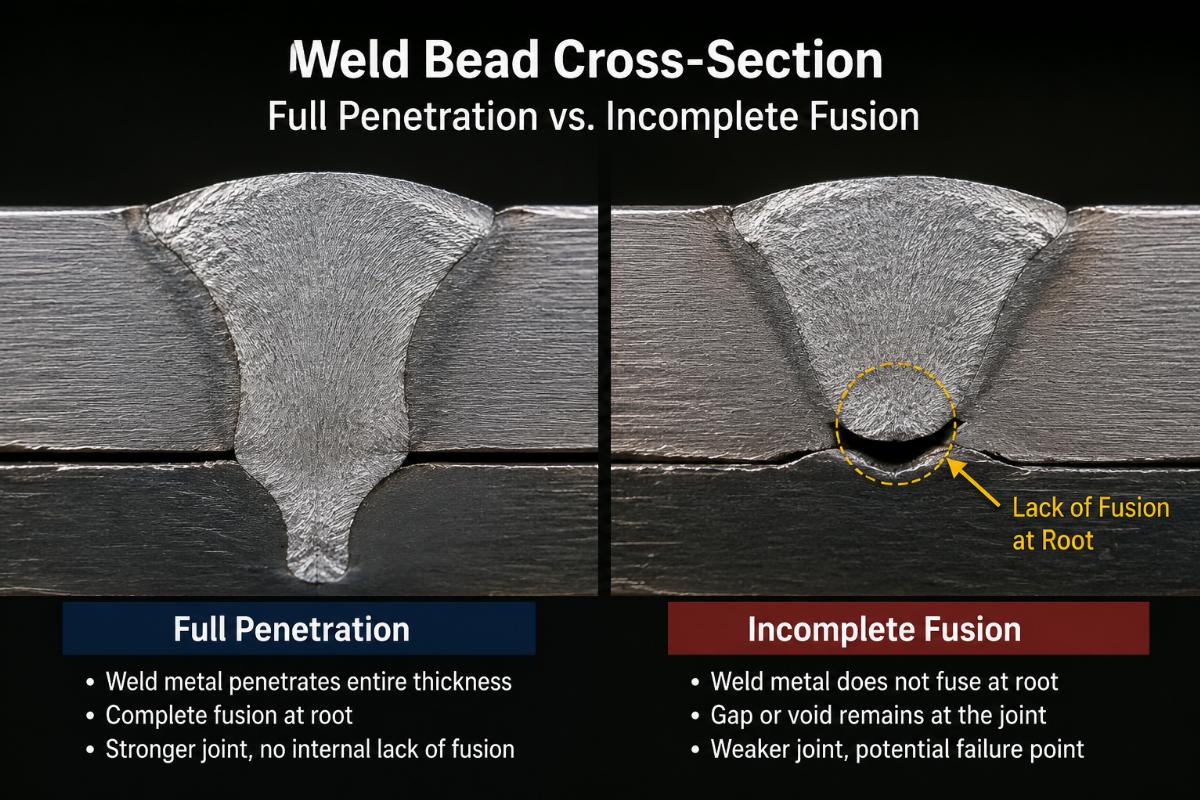
The takeaway: a China modular rig from a tier-one factory can match Rep Fitness on every structural metric. The risk is that tier-two and tier-three factories may pass visual inspection while falling short on the metrics that actually prevent catastrophic failure under heavy loads.
How Much Can Distributors Actually Save Going Factory-Direct from China?
The terminal price gap is substantial, and it comes from de-branding and full-container logistics—not from material downgrades.
When a distributor in Latin America or the Middle East requests a quote for a full commercial gym package, the comparison against Rep Fitness retail or even dealer pricing often shows a dramatic spread. That spread is real, but it is not because the Chinese factory is using thinner steel or skipping quality steps. It exists because the branded price includes US-based warehousing, domestic freight, dealer margin layers, marketing spend, and the brand’s R&D amortization. A China modular rig shipped in a consolidated container bypasses most of those costs.
A distributor I worked with in the Gulf region initially requested pricing for a mixed-container order of rigs, benches, and plate-loaded machines. When I laid out the FOB pricing against his existing Rep Fitness dealer invoice, the per-unit savings were significant enough that he could offer his gym clients a complete strength zone at a price point the branded supplier simply could not match. The key was that the rig specs—11-gauge uprights, laser-cut hole patterns, standard Westside spacing—were functionally equivalent.
| Cost Component | Branded (Rep Fitness Tier) | Factory-Direct China Modular Rig |
|---|---|---|
| Base Unit Price | Substantially higher | Noticeably lower |
| Brand/Marketing Overhead | Included | Absent |
| Domestic US Warehousing | Included | Absent |
| Dealer Margin Layers | Multiple | Single factory layer |
| Container Consolidation | Not applicable | Available |
| Landed Cost per Unit | Premium tier | Mid-tier with full spec |
The savings mechanism is structural, not cosmetic. A factory in Ningjin or Qingdao producing a China modular rig does not carry the cost of a US showroom, a national advertising campaign, or a multi-tier distributor network. Those costs are real, and they are baked into every Rep Fitness unit that reaches a gym floor. Remove them, and the price drops—without the steel having to change.

That said, the savings only materialize if the distributor orders at a scale that justifies container logistics. A single rig shipped by air or LCL will erase most of the cost advantage. The model works for distributors buying full containers or at least half-container packages where the per-unit freight cost stays low. [NEED_CITE: container consolidation economics for fitness equipment importers]
Which Specifications Must You Verify Before Placing a Container Order?
Tube wall thickness, weld penetration rate, and attachment interface tolerance are the three non-negotiable hard metrics.
Before I ship a container of rigs to any overseas buyer, I run through a verification checklist that goes far beyond the glossy brochure. The brochure will say "11-gauge steel." It will not tell you whether that gauge is consistent across every upright in the batch, whether the welder maintained full penetration on every joint, or whether the hole spacing on the uprights matches the hole spacing on the J-cups within a tight enough tolerance to prevent wobble under load.
Tube wall thickness consistency. A China modular rig spec sheet may list 11-gauge uprights, but if the factory is sourcing tubing from multiple mills without incoming inspection, some uprights may measure at the lower edge of the gauge tolerance while others sit comfortably in the middle. Under repeated heavy loading, that inconsistency becomes a failure point. Reputable factories perform incoming material checks on every batch of tubing and retain mill certificates for traceability. [NEED_CITE: incoming material inspection protocols for structural steel tubing in fitness equipment manufacturing]
Weld penetration verification. Visual inspection of the exterior weld bead is necessary but insufficient. The critical check is whether the weld has fully penetrated the joint, creating a continuou* surfaces. This requires either destructive cross-section sampling on batch-representative coupons or ultrasonic testing on finished units. Factories that skip this step may deliver rigs that look solid but fail prematurely at the gusset-to-upright junction under dynamic loads.
Attachment interface tolerance. The hole pattern on the upright must align precisely with the hole pattern on every attachment—J-cups, safety straps, lat pulldown bars, landmine posts. If the upright holes are drilled or laser-cut with even a fraction of a millimeter of drift, attachments will sit at an angle, create uneven load distribution, and accelerate wear on the insertion pins. A China modular rig with tight hole-pattern tolerance will accept attachments from multiple manufacturers without modification; one with loose tolerance will force the buyer into a single-source dependency.

When a Southeast Asian CrossFit box owner asked me to validate a rig order before he committed to a full container, I arranged for third-party inspection covering all three metrics. The factory passed the tube thickness check, failed the initial weld penetration sample, re-welded the affected joints, and passed on re-inspection. That extra step cost him a small delay but saved him from a potential structural liability. [NEED_CITE: third-party inspection frameworks for commercial fitness equipment imports]
A distributor who skips these verifications is gambling. The rigs may arrive looking perfect, but the first time a member loads a heavy barbell onto a J-cup with a misaligned pin, the consequences become visible—and costly.
Can Chinese Factories Match Rep Fitness Attachment Ecosystem?
Mainstream attachment interfaces are already compatible, but custom attachment tooling costs and lead times require upfront confirmation.
The Rep Fitness ecosystem thrives on attachment versatility. Buyers choose it because the same rig can accept a wide range of J-cups, pulley systems, dip bars, and specialty attachments. A China modular rig must offer the same flexibility, or the distributor loses the ability to market it as a drop-in alternative.
The good news is that most tier-one Chinese factories have reverse-engineered the dominant hole-spacing standards—typically 1-inch Westside spacing on the upper portion of the upright and 1-inch or 2-inch spacing on the lower portion. The attachment interfaces—J-cup pin diameter, laser-cut hole diameter, pulley system mounting points—are produced to match these standards. In practice, a Rep Fitness J-cup will seat into a compatible China modular rig upright without modification, and vice versa.
| Attachment Type | Interface Compatibility | Custom Tooling Required |
|---|---|---|
| Standard J-Cups | Fully compatible | None |
| Safety Strap Systems | Fully compatible | None |
| Lat Pulldown / Low Row | Compatible with confirmation | Possible |
| Cable Pulley Attachments | Compatible with confirmation | Possible |
| Specialty Landmine / Dip Bars | Compatible with confirmation | Likely |
The caveat lies in specialty attachments and cable-system integrations. If a distributor wants a rig configured with a built-in cable crossover or a specific pulley ratio, the factory may need to open a new jig or modify an existing one. That tooling investment is real, and it must be factored into the order economics. A one-off custom attachment may require a tooling fee that only amortizes over a larger order quantity.
I worked with a buyer in Central America who wanted a rig package that matched a specific branded cable-attachment ecosystem. The factory confirmed that the standard upright interfaces were compatible, but the proprietary cable carriage required a custom bracket. We ran a sample round, adjusted the bracket geometry, and confirmed fit before the full container shipped. That sample round added a small upfront cost but prevented a container full of incompatible attachments.

The broader point: a China modular rig is not a closed ecosystem. The factories that understand the export market have deliberately designed their rigs to accept the attachment ecosystem that distributors and gym owners already own. The due diligence lies in confirming compatibility for every attachment SKU in the order—not assuming it based on the upright spec alone. [NEED_CITE: attachment interface standardization across commercial fitness rig manufacturers]
Conclusion
The price advantage of a China modular rig is real, structural, and defensible—but only when the buyer verifies the specs that actually determine load-bearing safety.
Chinese factory-direct rigs eliminate brand overhead and multi-layer distribution costs, delivering commercial-grade structural performance at a fraction of branded retail pricing. Distributors who invest in pre-shipment verification of tube consistency, weld penetration, and attachment tolerance will receive a product that competes directly with Rep Fitness on the gym floor—without the branded price tag attached.


