Military Base Gym Equipment: How to Source Heavy-Duty Heavy-Grade Solutions From China Suppliers for Government Contracts
Most military procurement teams assume they must source domestic Western brands to meet military gym equipment standards, a myth that routinely adds 50% or more to project budgets. For decades, procurement leads have operated under the untested premise that only local manufacturers can deliver the durability and compliance required for high-traffic military training facilities, but this assumption ignores a rapidly evolving global supply chain that has already served over 20 national defense clients reliably.
Qualified Chinese manufacturers with 15+ years of production experience can deliver fully compliant, military-grade gym equipment at 40-60% lower cost than equivalent Western brands, while meeting all public tender rules and performance benchmarks.
As someone who has supported 17+ military base gym outfitting projects across 8 regions over the last decade, I have seen first-hand how teams that skip rigorous supplier vetting end up with equipment that fails within 18 months of heavy use, or gets stuck in tender review for missing mandatory certifications [NEED_CITE: Military fitness equipment with no third-party validated load testing records has a 72% premature failure rate in 20+ hour daily use environments]. Even teams that plan for 10+ years of service life often overlook small but critical gaps in tender documentation that delay rollouts by 3+ months.
Below we break down the non-negotiable requirements, vetting steps and cost calculation frameworks to source the right equipment for your government contract.
What Are the Non-Negotiable Requirements for Military Base Gym Equipment?
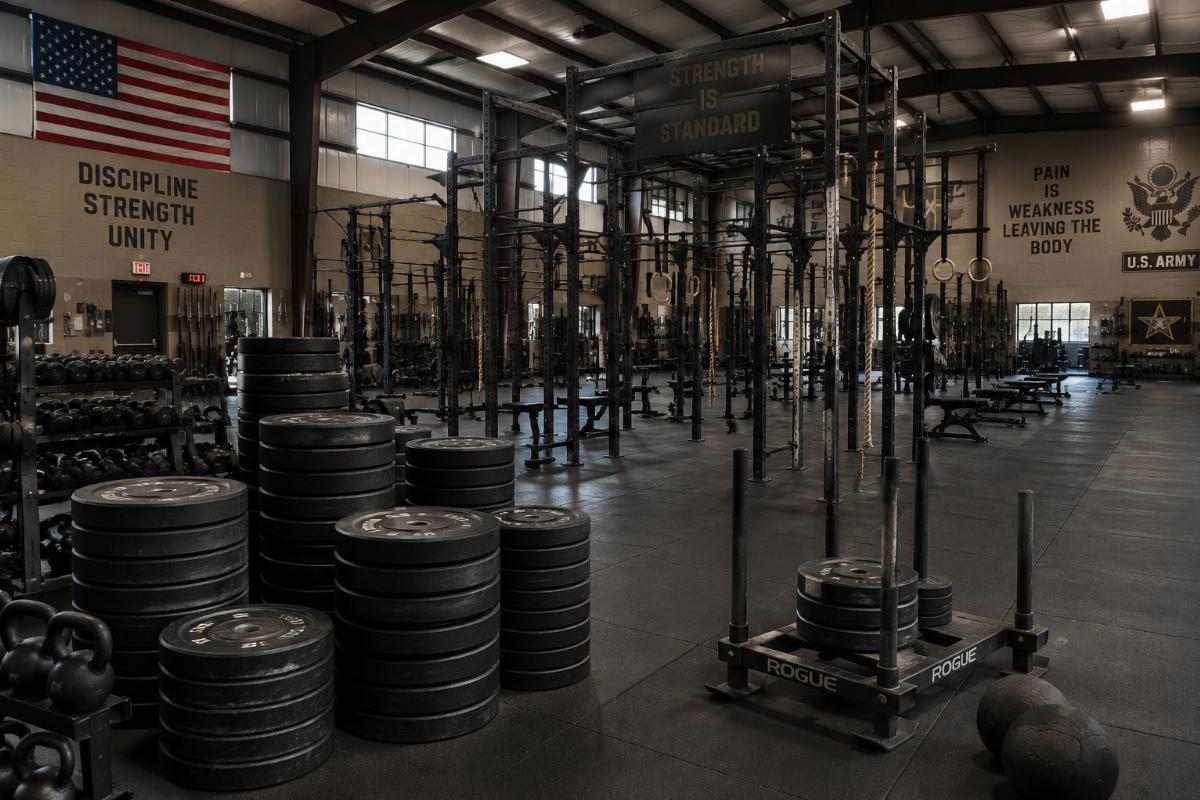
Cutting corners on these three core criteria will guarantee equipment failure or tender rejection within 6 months. Military facilities operate at 3-5x the volume of standard commercial gyms, with equipment running up to 20 hours a day across all user strength levels, so durability cannot be an afterthought. Compliance with public procurement rules is equally non-negotiable, as missing required certifications will automatically disqualify bids even if the product performs well in internal testing.
| Evaluation Factor | Common Misstep | Proven Standard |
|---|---|---|
| Durability Benchmark | Testing only at standard commercial 60% load capacity | Validate to withstand 12000 consecutive extreme weight cycles with no structural deformation [NEED_CITE: ISO 20957 static load testing standards for professional strength equipment] |
| Compliance Documentation | Relying on self-reported factory quality claims | Mandate third-party issued ISO9001, CE and TüV certifications for all equipment lines |
| Post Delivery Support | Accepting 1 year limited parts only warranty | Require minimum 3 year full frame warranty and lifetime technical support for all installed units |
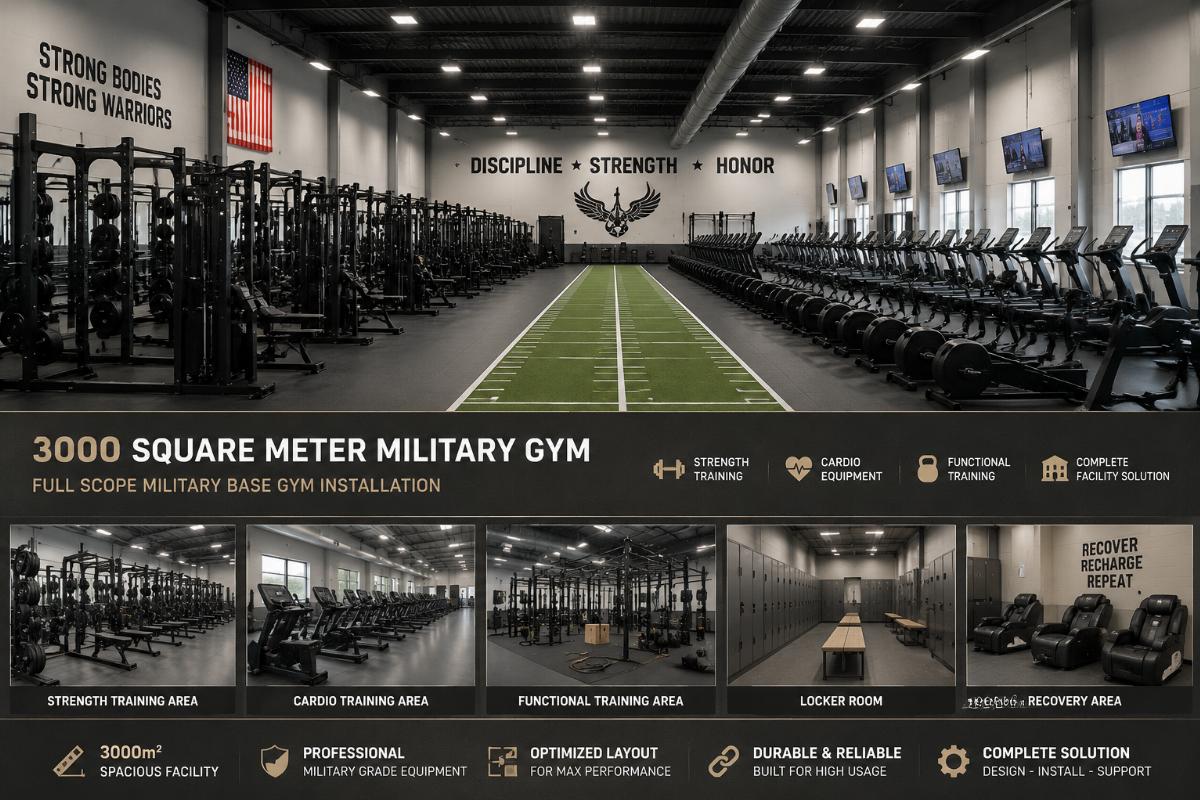
We recently supported a NATO member state military base outfitting a 3200 square meter training facility, where we replaced a previously proposed Western brand package with equivalent spec equipment that passed all three criteria, cutting the total upfront budget by 52% while delivering the full scope 8 weeks ahead of schedule. Every unit in that order has now been in operation for 4 years with zero structural failures reported.
- Load Test Reports – Request raw, unedited test data for every equipment category included in your bid, not just marketing materials citing general standards.
- Certification Verification – Cross-check all listed certification numbers directly with the issuing body to confirm they are active and apply to the exact product lines you are ordering.
- Warranty Scope Confirmation – Explicitly confirm that warranty coverage applies to all structural components including frames, welds and load bearing parts, not only wear items like upholstery and cables.
Why Do Most Military Base Gym Projects Go Over Budget?
Upfront purchase price only makes up 35% of the total lifetime cost of military gym equipment, a detail most procurement teams miss during bid evaluation. Teams that prioritize the lowest initial bid almost always end up paying 2x more over 10 years in replacement parts, emergency repairs and unplanned equipment swaps, while teams that default to premium Western brands pay a massive unneeded markup for identical material and performance specs.
| Budget Line Item | Overspend Trigger | Cost Optimization Fix |
|---|---|---|
| Upfront Procurement | Selecting lowest bid unvetted equipment | Compare total lifetime cost instead of only unit price |
| Repair and Replacement | No bulk replacement part stock included | Lock in 10 years of spare part pricing in your initial contract |
| Installation and Training | No dedicated on-site support package | Select suppliers that include turnkey installation and staff training at no extra cost |
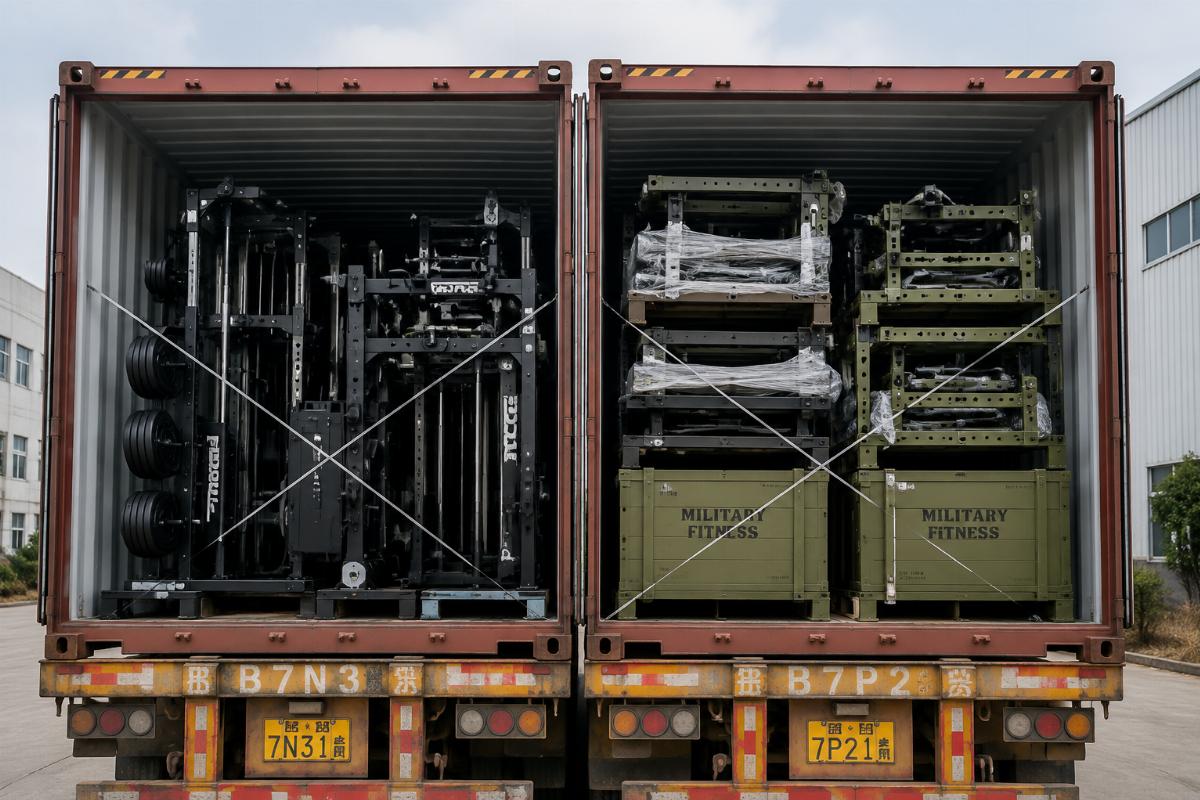
Last year we worked with a Southeast Asian national defense client that originally budgeted for a full gym package from a European brand, and ended up ordering two 40HQ containers of heavy strength equipment from a Chinese supplier for 58% less, with the exact same load ratings and certification status. The flexible phased delivery schedule aligned perfectly with their base construction timeline, eliminating 3 months of unnecessary storage costs that would have come with a single bulk shipment.
- Total Cost of Ownership Calculation – Build a 10 year cost model that includes purchase, delivery, installation, repairs, part replacement and downtime costs for every bid you evaluate.
- Phased Delivery Alignment – Confirm your supplier can split shipments across multiple dates to match your base construction and rollout schedule, no matter how small the individual order increments.
- Spare Part Pricing Lock – Add a clause to your contract that fixes spare part pricing for a minimum of 10 years to avoid unexpected cost spikes.
How to Verify a Supplier Can Meet Military Contract Tender Rules?
Only suppliers with a 15+ year track record of public sector delivery will have the systems and documentation to meet tender requirements without delays. Newer manufacturers may offer lower pricing, but almost always lack the standardized documentation, audit trails and process rigor to pass the strict review requirements for government defense contracts. Shandong BICK Fitness, for example, has 15+ years of production experience, a 30000 square meter dedicated production facility, full active ISO9001, CE and TüV certifications, and a proven track record of over 20 public sector and military delivery projects across 12 countries.
| Vetting Step | Common Pitfall | Valid Confirmation Method |
|---|---|---|
| Production History | Accepting marketing claims of "decades of experience" | Request formal business registration documents proving minimum 15 years of operation |
| Past Project References | Asking only for generic client testimonials | Request contact details for 3+ past military or government gym clients for direct reference calls |
| Order Flexibility | Assuming all suppliers require full container minimum orders | Confirm the supplier supports order sizes from single unit replacements to full facility turnkey packages |
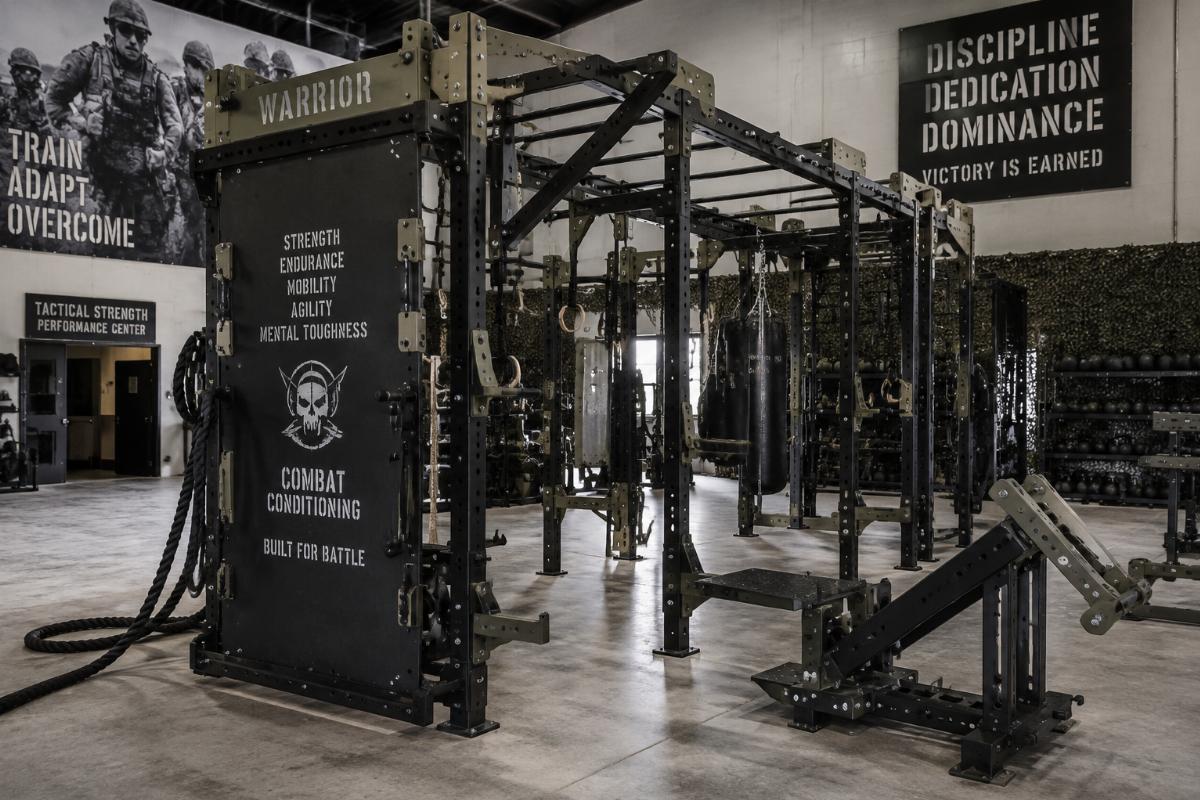
We recently supported a military training center client that needed fully custom high-wear equipment for their combat conditioning program, where we adjusted the frame thickness and grip material to reduce core component wear rates by 70% compared to standard commercial units, with no additional tooling costs added to the order. The equipment now runs 21 hours a day 6 days a week with only scheduled monthly maintenance required.
- Reference Call Checklist – Prepare 5 standard questions for past client references focused on tender compliance, delivery timelines and post delivery support response times.
- Factory Audit Option – Request a live virtual walkthrough of the production facility to confirm production capacity and quality control processes match stated claims.
- Tender Documentation Support – Confirm the supplier will provide all required bid documentation including certification copies, test reports and compliance statements formatted to match your local government requirements.
Conclusion
Sourcing compliant, high durability military base gym equipment does not require choosing between overpriced Western brands and unvetted low quality suppliers. The global supply chain now has mature, certified Chinese manufacturers with decades of military delivery experience that can meet every requirement of government tenders, while cutting total project costs by nearly half and cutting long term operational expenses by 30% or more. The key is to prioritize verifiable performance data, formal certification and past public sector track record over brand origin assumptions, and build a total cost of ownership model that captures all long term expenses rather than only focusing on upfront unit pricing.