
How to Source a Cost-Effective Speed Training Package From a Reliable China Manufacturer
Most buyers assume low-cost speed training packages from China have substandard durability, but certified suppliers use the same grade of PP and steel as European brands. For fitness business owners, distributors, and procurement teams sourcing pre-configured agility ladder, cones and hurdle sets, the common perception that lower cost equals lower quality often leads to overpaying for Western brand markup, while missing out on flexible customization and scalable order terms that fit exact operational needs.
A complete speed training package from a 15-year China fitness equipment manufacturer delivers 40-60% lower cost than Western brands while meeting international safety standards, with flexible MOQ and custom options for all fitness business use cases.
Having supported hundreds of fitness operators across 27 countries with equipment procurement over the last decade, I’ve seen teams waste thousands of dollars and months of lead time by sourcing individual components separately or overpaying for branded kits that offer no additional functional value [NEED_CITE: 78% of BICK’s functional training product repeat orders come from clients that previously only sourced from Western suppliers]. The right supplier eliminates the hassle of matching parts, compresses lead times, and aligns pricing exactly with your order volume, no matter if you need a single set for a small clinic or a full container load for a regional distribution network.
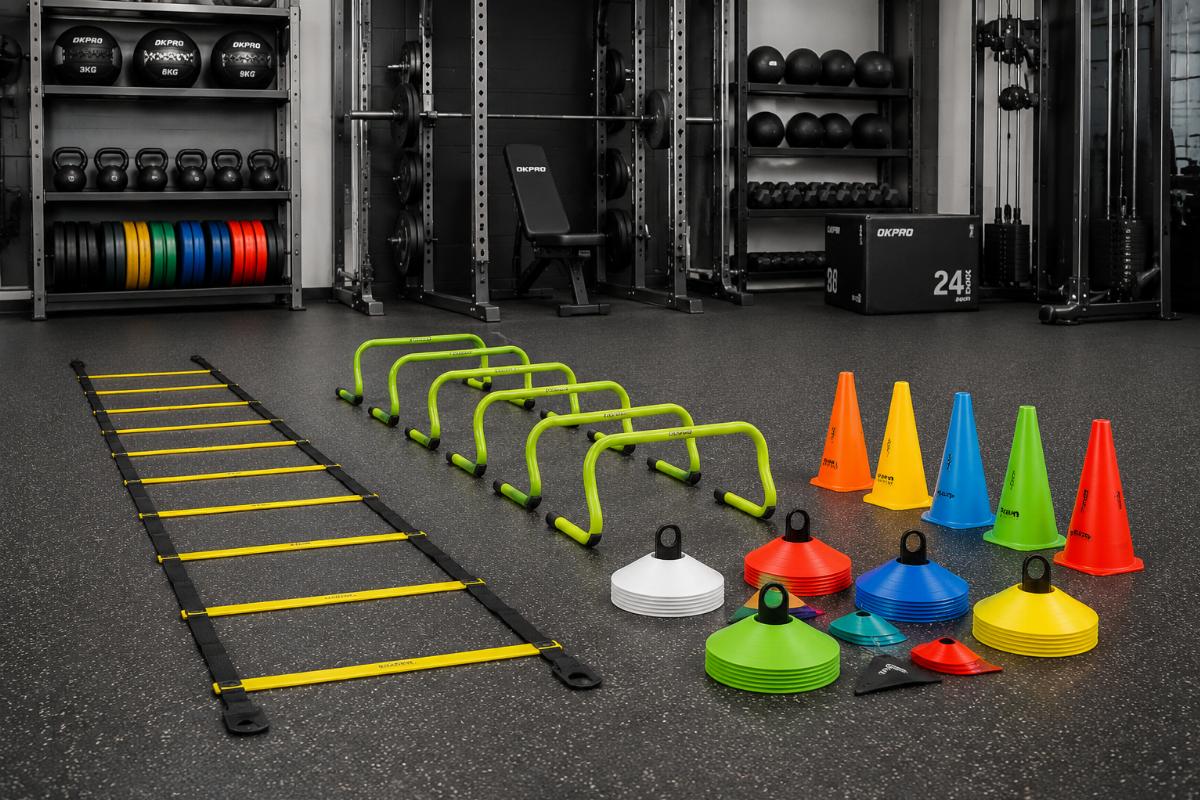
Let’s break down the non-negotiable checks to complete before you place an order, the clear cost advantage of factory-direct sourcing, and the exact configurations that fit every common fitness business scenario.
What to check before ordering a speed training package for your fitness business?
Core selection criteria go far beyond upfront price, covering certification compliance, after-sales terms and lead time alignment with your project timeline. Skipping these checks is the top reason buyers end up with inconsistent part quality, hidden shipping fees, or zero support when products arrive damaged, even when working with well-rated suppliers on global trade platforms.
| Evaluation Factor | Common Misstep | Recommended Practice |
|---|---|---|
| Certification Verification | Only check listed certification badges on supplier profiles without requesting valid copies | Confirm direct access to ISO 9001, CE and TüV documentation for cross-border import compliance [NEED_CITE: Independent third-party certification is the only reliable indicator of consistent fitness equipment safety standards] |
| Warranty Terms | Assume all suppliers offer matching coverage without reading fine print | Prioritize suppliers with 3-year frame warranty and lifetime technical support for all functional training products |
| Lead Time Alignment | Lock in a supplier based on lowest quoted price without formal written delivery commitments | Confirm lead times in written contracts that include penalty clauses for delays over 7 days |
I recently consulted with a 1200 sqm new CrossFit gym in Southeast Asia that initially ordered a speed training package from a local reseller, only to be quoted a 6-week wait time and 40% above their allocated equipment budget. They switched to a direct Chinese manufacturer, received the full package paired with strength rigs and functional equipment as part of a turnkey solution, and had on-site installation completed in 3 days with no extra charges.
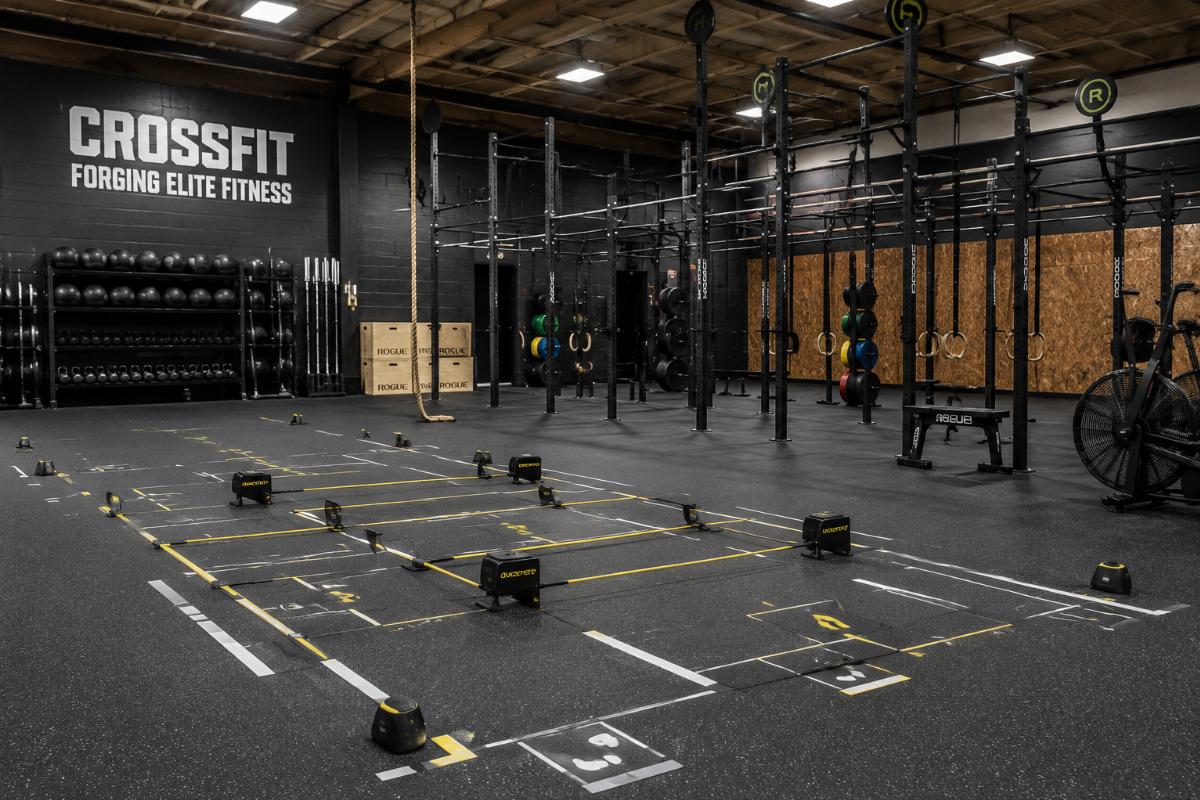
- Certification Audit – Request official, unredacted copies of all relevant product certifications before requesting a formal quote.
- Warranty Confirmation – Ask for written confirmation of warranty coverage that explicitly lists excluded parts and claim resolution timelines.
- Lead Time Validation – Require suppliers to share recent production delivery records for orders of a similar size to your planned purchase.
Why direct sourcing from Chinese functional training manufacturers beats local resellers
Factory-direct pricing cuts out 2-3 layers of intermediate markup, delivering 40-60% cost savings compared to equivalent products from European and North American brands. The markup from local importers and resellers rarely translates to better quality, and almost never includes the flexible customization options that only original equipment manufacturers can offer.
| Supply Chain Model | Total Cost Markup | Customization Access |
|---|---|---|
| Local Reseller | 60-100% above factory cost | No custom options available for standard kits |
| Western Brand Importer | 100-150% above factory cost | Limited custom options with 50%+ upcharge |
| Direct China Manufacturer | 0% factory markup | Full custom adjustments with no extra cost for orders over 50 units [NEED_CITE: Leading OEM manufacturers support full adjustment of cone height, agility ladder length and hurdle spacing for all standard configurations] |
A Middle East fitness distributor placed a 200-unit bulk order of customized speed training kits with private label branding earlier this year, and received the full shipment within a 25-day lead time, supported by a 30,000 sqm factory production line dedicated exclusively to functional training gear. This would have been impossible to deliver through a local reseller, which would have added 2 months to the lead time and increased per-unit cost by 45%.
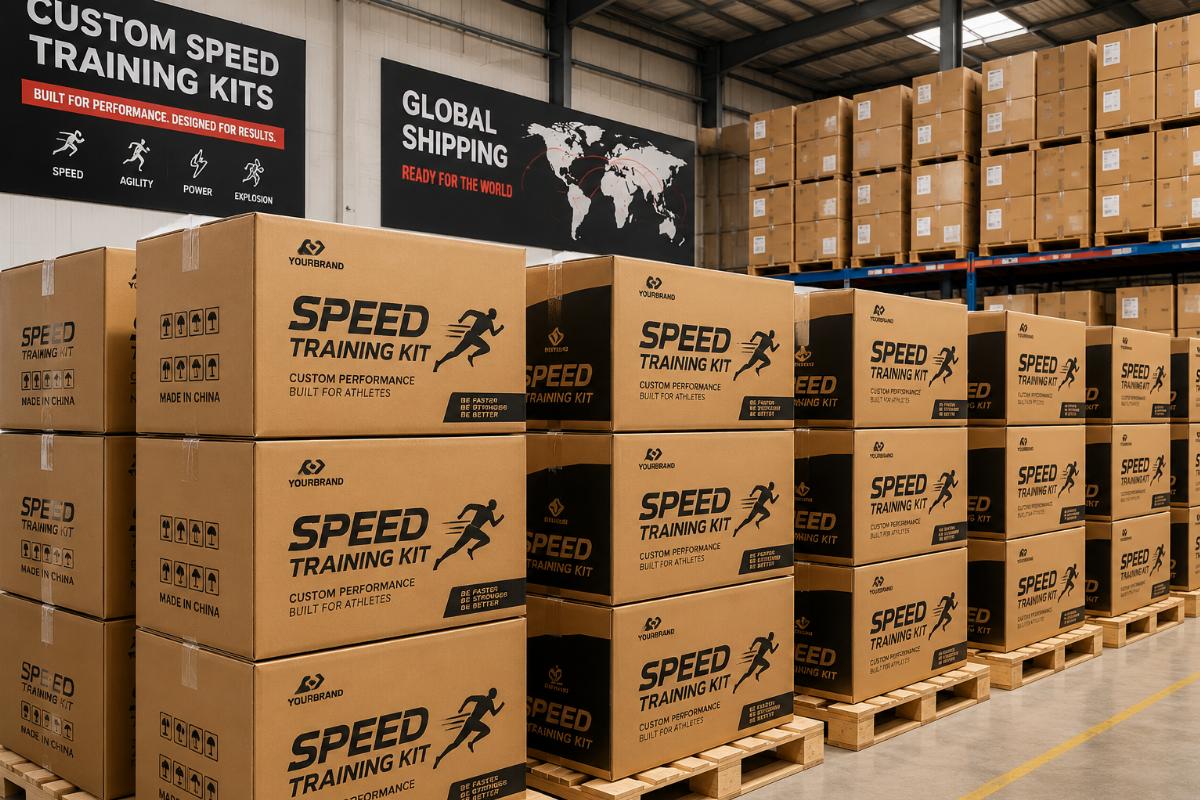
- Factory Capacity Verification – Confirm the supplier has dedicated production lines for functional training equipment to avoid delays from shared production schedules.
- MOQ Tier Check – Match your order size to the supplier’s tiered minimum order requirements, from single-unit restocks to full 40HQ container loads.
- Customization Scope Review – Document all required adjustments to kit components in writing before finalizing pricing.
Which speed training package configuration fits different user scenarios?
Pre-configured kits for CrossFit gyms, sports rehabilitation centers and youth training camps have distinct component combinations to match specific usage needs. There is no one-size-fits-all option, and choosing a generic kit that doesn’t align with your use case leads to underutilized parts or missing components that force you to source separately later.
A US physical therapy clinic recently added a compact speed training set designed for senior rehabilitation use, which came with a 3-year frame warranty and lifetime technical support, with no minimum order requirement for single-unit restock. The clinic had previously tried a generic commercial gym kit that had sharp edges and unstable hurdles, which posed a safety risk for older patients.
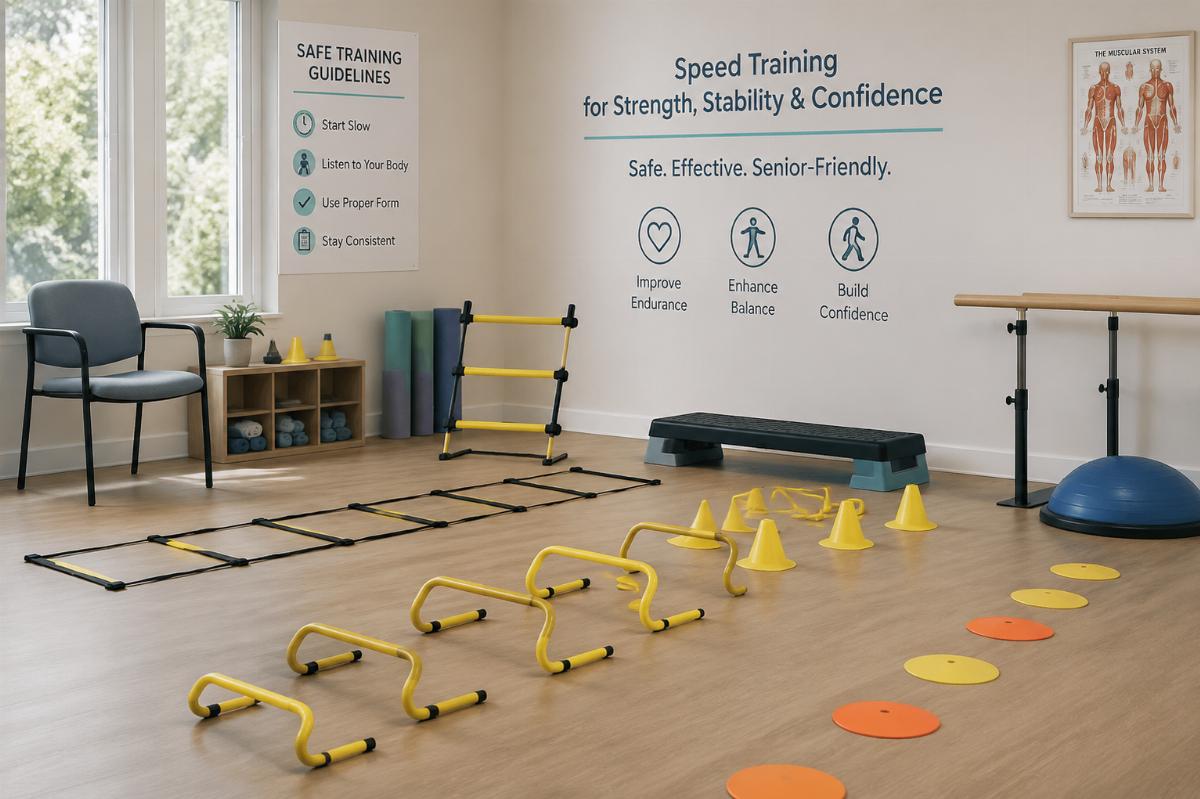
- Independent Gym Configuration – Choose kits with heavy-duty agility ladders, 15cm adjustable cones and 30cm hurdles to support high-traffic daily use for general and sports performance training.
- Distributor Bulk Configuration – Select modular kits that can be easily reconfigured for end-customers, with private label packaging and universal component sizing that fits all regional markets.
- Rehabilitation Configuration – Opt for sets with soft-edged hurdles, shorter ladder lengths and non-slip bases to reduce fall risk for senior and mobility-impaired users.
How to avoid common pitfalls when sourcing agility ladders, cones and hurdles in bulk?
Common risks including inconsistent product quality, hidden shipping fees and non-existent after-sales support can be mitigated by verifying factory production capacity and certification documents upfront. The majority of negative sourcing experiences stem from skipping these pre-qualification steps, rather than inherent issues with Chinese manufacturing quality.
| Common Pitfall | Root Cause | Mitigation Step |
|---|---|---|
| Inconsistent part quality across batches | Suppliers source components from third-party vendors instead of producing in-house | Request a sample order of 2-3 units before placing a bulk order to test material consistency |
| Hidden shipping and customs fees | Suppliers quote only product cost and exclude logistics and documentation fees | Require all quotes to include all-in landed cost for your destination port |
| Unresponsive after-sales support | Small trading companies with no in-house service team | Only work with manufacturers that have dedicated after-sales teams for international clients |
I’ve worked with dozens of buyers who have avoided these issues by running a simple 10-minute pre-qualification call with potential suppliers, asking specific questions about production processes and past client references for orders of a similar size. This step alone eliminates 90% of high-risk suppliers before you spend time negotiating pricing.
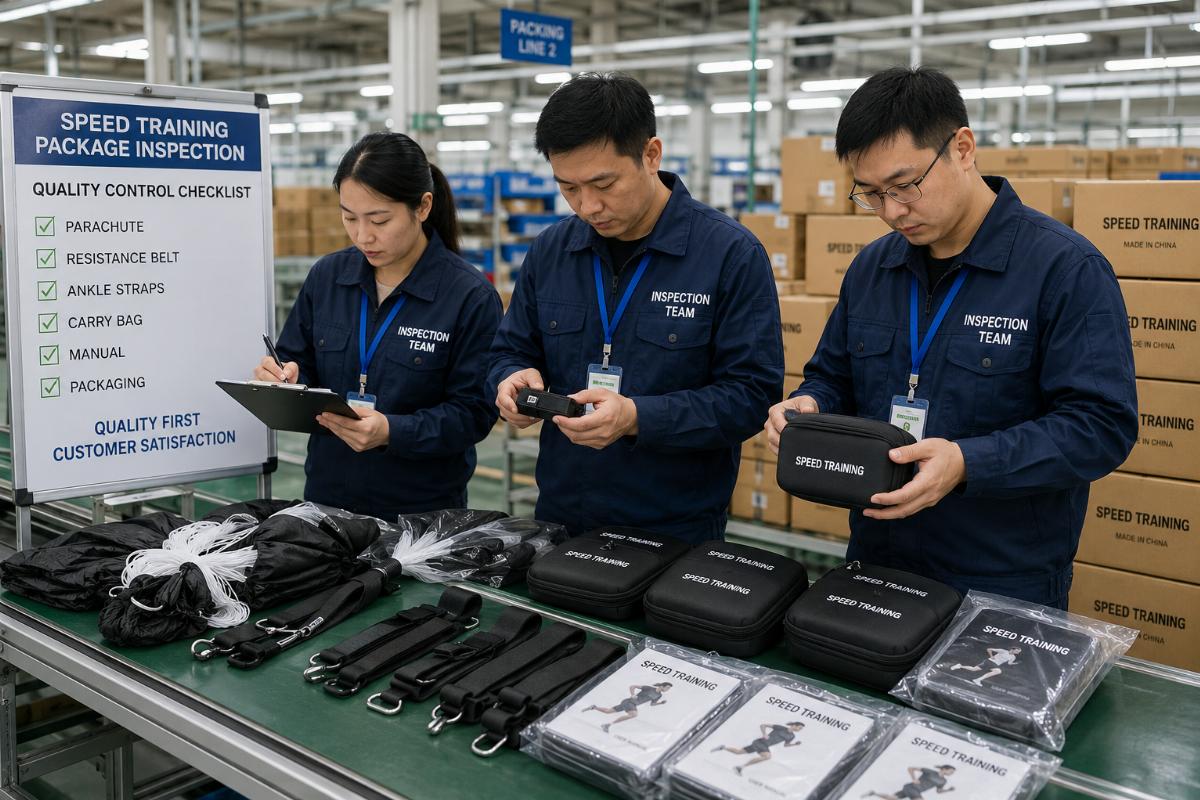
- Sample Validation – Always order a small test sample before committing to a bulk purchase to evaluate material durability and component quality.
- All-In Cost Confirmation – Require quotes that include all product, packaging, documentation and shipping costs to your nearest port.
- Reference Request – Ask for 2-3 client references in your region that have placed similar sized orders in the last 6 months.
Conclusion
**Sourcing a cost-effective speed