Low Row Machine Alternatives to Body-Solid Pro Club | Wholesale Supplier
Parameter sheets lie. Bearings and welds do not.
The best low row machine alternatives to Body-Solid Pro Club are not the cheapest ones on Alibaba. They are the units built with sealed linear bearings, precision-ground seat rails, and full-penetration welded frames that survive high-frequency commercial use without developing play, noise, or structural fatigue within the first year.
I spent the better part of last year walking the warehouse rows near Jebel Ali, inspecting pallets of strength equipment destined for gym chains across the Gulf and East Africa. One shipment in particular still sticks with me. A mid-sized fitness chain in Riyadh had ordered two batches of seated row machines from different factories, both marketed as direct replacements for a well-known American brand’s low row. The first batch arrived, looked clean on the spec sheet, and hit the gym floor. Within a few months, the bearings started singing—a high-pitched whine that members complained about daily. The second batch fared worse: the seat rails developed noticeable lateral wobble, and the owner told me member complaints had become a weekly occurrence. By the time the entire order was pulled back, the storage fees at the port had eaten through whatever margin the buyer thought he was saving.
That is the reality of sourcing low row machine alternatives to Body-Solid Pro Club. The search is never really about price. It is about whether the machine will hold up under commercial load without turning into a liability. [NEED_CITE: common failure modes in commercial strength equipment per ISO 20957]

Let me walk you through what actually matters when you are evaluating alternatives, and where most buyers get misled.
Why Do Studio Owners Seek Alternatives to Body-Solid Pro Club?
The short answer is supply chain rigidity and margin pressure, not product dissatisfaction.
Body-Solid’s Pro Club series is a legitimate machine. The build is solid, the warranty structure is clear, and the brand carries weight with end users. But for a boutique studio owner in Nairobi or a distributor loading a container in Durban, the procurement reality is different. Lead times stretch. Minimum order commitments are fixed. Replacement parts for a specific model may only ship from a single regional warehouse, and if that warehouse is three time zones away, a broken cable pulley can sideline a machine for weeks.
I have sat with procurement managers from hotel fitness centers in Southeast Asia who told me the same story: they love the equipment, but the total cost of ownership—freight, import duties, delayed parts, limited configuration flexibility—makes it difficult to justify at scale. So they start looking for low row machine alternatives to Body-Solid Pro Club that offer comparable durability with more flexible ordering, OEM branding options, and local spare parts availability.
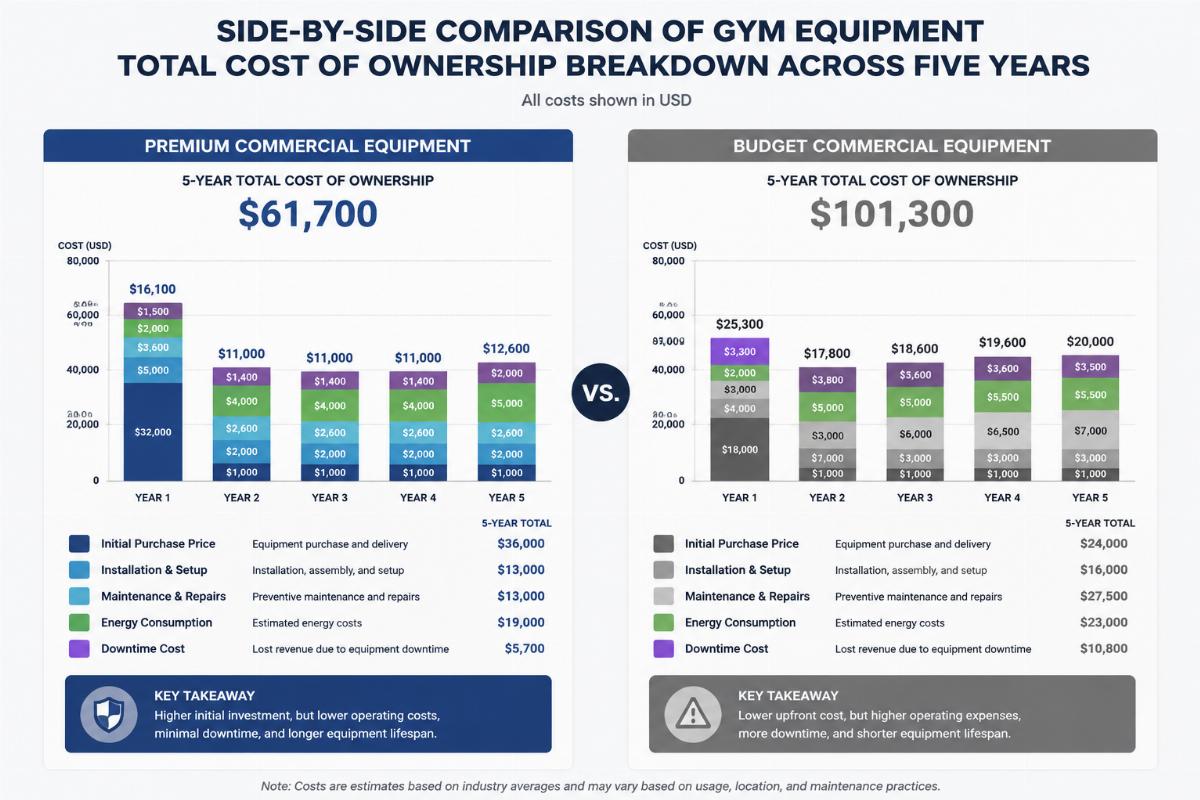
The mistake happens when "flexible" gets confused with "cheap." A machine that costs noticeably less often achieves that price by cutting corners on the three things that actually determine commercial lifespan: bearing quality, rail precision, and weld integrity. [NEED_CITE: commercial gym equipment total cost of ownership factors]

What Specs Actually Determine a Low Row Machine’s Lifespan?
The spec sheet tells you almost nothing about real-world durability. The critical components are the ones nobody photographs in the product listing.
When I evaluate low row machine alternatives to Body-Solid Pro Club, I ignore the marketing photos and go straight to three areas. Here is how they break down:
| Critical Component | What to Look For | What Most Alternatives Skimp On |
|---|---|---|
| Guide Rail Bearings | Sealed linear bearings, pre-loaded, rated for repetitive lateral load | Open bushings or unsealed ball bearings that attract dust and degrade quickly |
| Seat Rail Assembly | Precision-ground steel rail with tight tolerance carriage fit | Extruded aluminum or cold-rolled rail with visible play after break-in period |
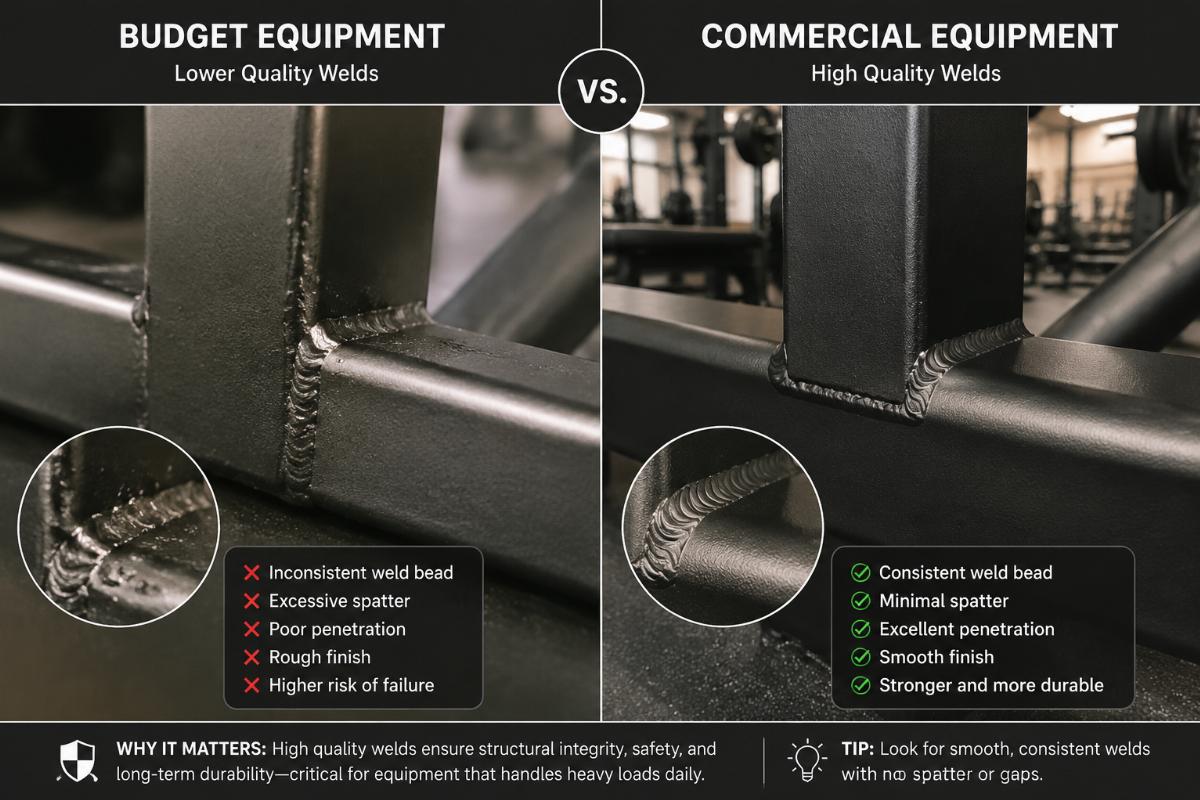
| Frame Welding | Full-penetration welds, ground smooth, continuous along stress joints | Spot welds or intermittent fillet welds at high-stress junctions |
| Cable Routing | Sealed pulley housings with matched cable diameter | Open pulleys with mismatched cables that fray and jump tracks |
| Seat Padding & Upholstery | High-density foam with welded vinyl seams | Low-density foam that compresses permanently within months |
The bearing question deserves special attention. Most commercial-grade low row machines use either sealed linear bearings or deep-groove ball bearings. The difference in service life under daily multi-user conditions is substantial. Linear bearings distribute load across a broader contact surface and tolerate minor rail imperfections better. Ball bearings, when properly sealed and pre-loaded, offer smoother initial feel but are more vulnerable to contamination and misalignment. [NEED_CITE: bearing selection criteria for linear motion in fitness equipment per ISO 15243]
I once inspected a batch of low row machine alternatives to Body-Solid Pro Club where the supplier had substituted sealed linear bearings with open bushings to reduce unit cost. The machines felt perfectly smooth during the first showroom test. Three months into a commercial gym environment, with chalk dust, sweat, and ambient humidity in play, those bushings were grinding audibly. The entire batch had to be retrofitted.
The weld question is equally underappreciated. A frame that looks robust in photos can fail at the junction points if the welding is incomplete. I carry a small hammer when I visit factories. A sharp tap on a properly welded joint produces a clean, solid ring. A tap on a joint with incomplete penetration or cold laps produces a dull, dead thud. It is not sophisticated, but it has saved buyers from entire container loads of regret. [NEED_CITE: visual and percussive inspection methods for welded joints in structural frames]

How to Verify Build Quality When Evaluating Alternatives?
Do not trust the catalog. Trust your hands, your eyes, and a structured three-step verification process.
When sourcing low row machine alternatives to Body-Solid Pro Club, I follow a verification sequence that has become non-negotiable after years of seeing beautiful brochures arrive alongside disappointing hardware.
Step One: Request a pre-production sample or visit the factory floor. If the supplier cannot provide a physical unit for evaluation before a full order, that is your first red flag. When you have the unit in front of you, sit on the seat and pull the handle through a full range of motion. The resistance should be consistent from start to finish. Any grinding, catching, or uneven drag indicates bearing or rail issues. Then grab the seat carriage and try to rock it laterally. There should be zero perceptible play.
Step Two: Inspect the welds at all primary stress points. These include the base-to-upright junctions, the seat rail mounting brackets, and the pulley housing attachment points. Look for continuous, uniform bead width. Look for grinding marks that might be hiding porosity or incomplete fusion. If the factory will let you, tap the joints with a metal tool and listen. [NEED_CITE: non-destructive testing methods for welded fitness equipment frames]
Step Three: Check the spare parts ecosystem. Ask the supplier specifically which components are available as replacements, what the lead time is, and whether they stock them or manufacture them to order. A supplier who can ship replacement bearings, cables, and seat pads within a reasonable timeframe is a supplier who understands commercial realities. One who answers vaguely about parts availability is a supplier who expects you to replace the entire machine when something wears out.
I worked with a distributor in West Africa who followed this process religiously. He ordered a small test batch of low row machine alternatives to Body-Solid Pro Club, ran them in a high-traffic hotel gym for an extended period, and documented every service call. The machines that passed all three verification steps required minimal intervention. The ones that failed even one step generated disproportionate maintenance costs and member complaints.

What Are the Hidden Costs of Choosing the Wrong Alternative?
The purchase price is the smallest number on the invoice. The real costs arrive later, and they arrive quietly.
A gym owner in the Middle East once told me that the machines he returned to the port sat in storage for months before the dispute was resolved. The warehousing fees alone exceeded the savings he had expected from choosing a cheaper alternative to the brand-name equipment he originally specified. That is the hidden cost structure of bad sourcing decisions.
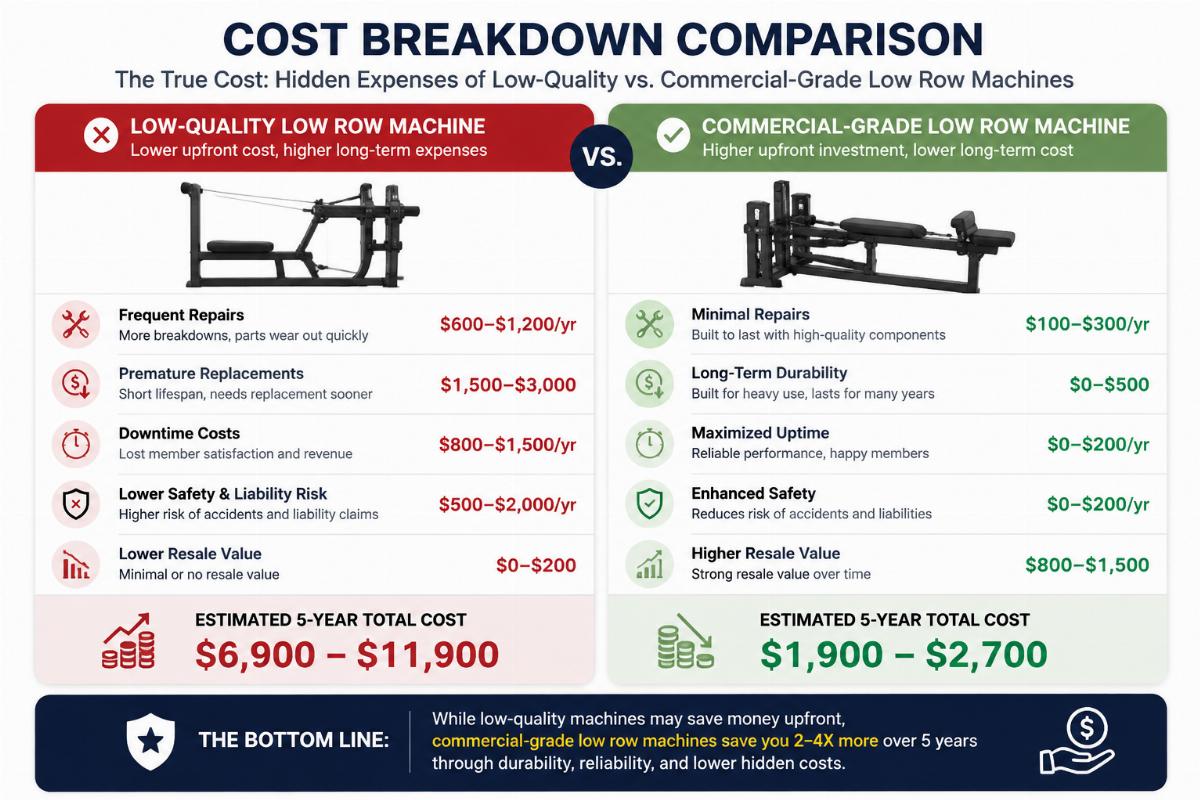
When you select low row machine alternatives to Body-Solid Pro Club that fail prematurely, the costs compound in layers:
- Direct repair costs: Replacement bearings, cables, upholstery, and the labor to install them. If the supplier does not stock parts, you are either fabricating locally or waiting for international shipments.
- Member experience degradation: A noisy, wobbly, or uncomfortable machine generates complaints. In a boutique studio environment, where member retention is everything, a single problematic piece of equipment can affect renewal rates.
- Reputation damage: Gym owners talk. Distributors talk. A supplier who delivers a batch of unreliable machines finds that word spreads through industry networks faster than any marketing campaign.
- Opportunity cost: Time spent managing warranty claims, coordinating returns, and sourcing emergency replacements is time not spent growing the business.
I have seen gym operators who initially saved a noticeable percentage on equipment costs end up spending multiples of that savings on repairs, replacements, and member recovery efforts within a single year. The math never works in favor of the cheapest option. It works in favor of the option with the lowest total cost of ownership—and that requires evaluating build quality before the purchase, not after the first complaint.
How to Source Reliable Low Row Machine Alternatives from China?
The right supplier exists. Finding them requires asking the right questions and demanding the right evidence.
China manufactures the majority of the world’s commercial fitness equipment, including many machines sold under Western brand names. The capability to produce high-quality low row machine alternatives to Body-Solid Pro Club absolutely exists. The challenge is separating factories that invest in commercial-grade materials and processes from those that compete solely on price.
When I help buyers navigate this landscape, I look for several indicators. The factory should be willing to host an in-person inspection or arrange a comprehensive virtual tour. They should provide third-party certifications such as CE marking for European market compliance. They should have a documented track record of OEM and ODM work, with the ability to customize branding, upholstery colors, and configuration details. They should offer flexible order quantities, from single-unit testing orders to full container loads, because a serious supplier understands that buyers need to validate quality before committing volume.
Most importantly, they should have a clear spare parts policy. Commercial equipment will require maintenance. The question is whether the supplier has planned for that reality or is hoping you will not notice.
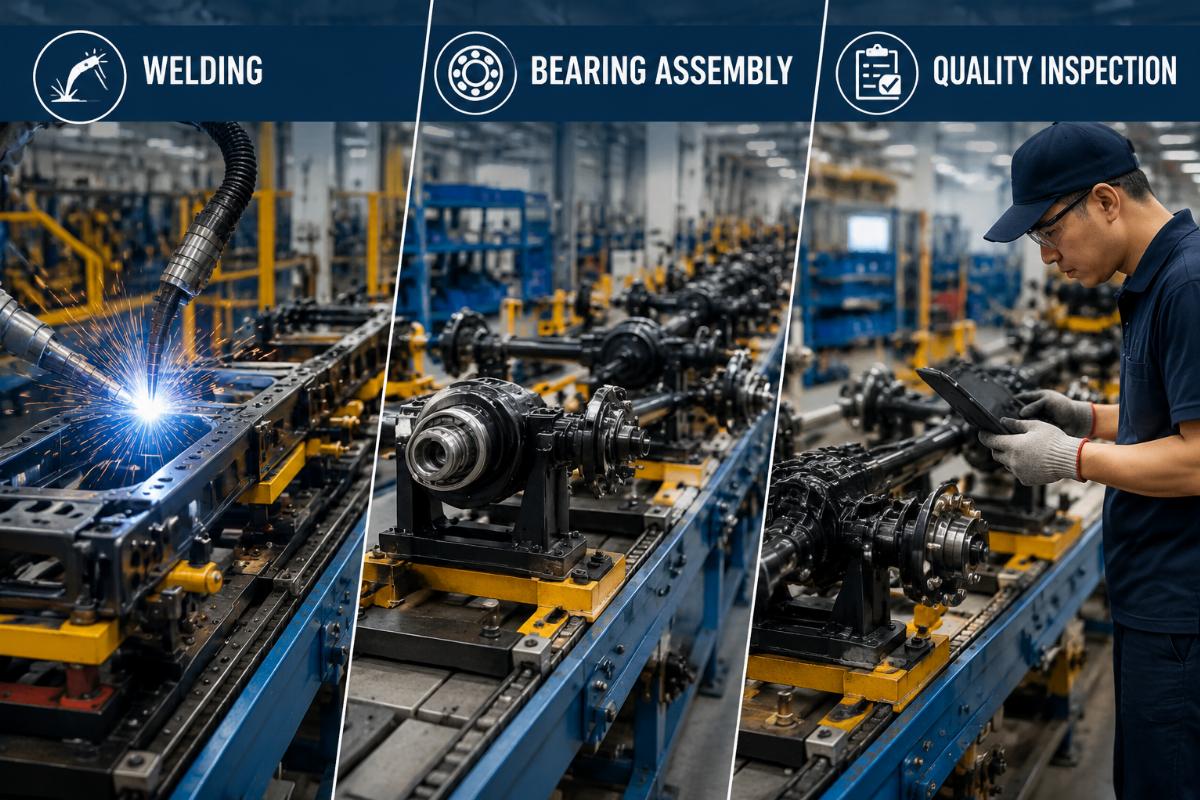
I work with a manufacturer in Shandong Province that produces a full range of commercial strength and cardio equipment, including seated row machines designed as direct alternatives to premium imported brands. Their low row machines use sealed linear bearings, precision-ground seat rails, and full-penetration welded frames. They carry CE certification, support OEM branding, and stock replacement parts for extended periods. The pricing structure sits noticeably below the major American and European brands, but the build quality is evaluated against those same benchmarks, not against the lowest-cost competitors.
For buyers loading full containers, they offer consolidation services and technical support that accounts for the realities of international shipping, installation, and long-term maintenance. For boutique studio owners testing a single unit before committing to a larger order, they accommodate small-quantity procurement without treating the buyer as an afterthought.
Conclusion
Choosing low row machine alternatives to Body-Solid Pro Club is a build-quality decision, not a price decision. The bearings, rails, and welds determine whether a machine survives commercial use or becomes a liability within months. Verify in person, demand spare parts transparency, and calculate total cost of ownership—not just the invoice total. The right supplier delivers durability at a fraction of premium brand pricing, but only if you know what to inspect before you sign.