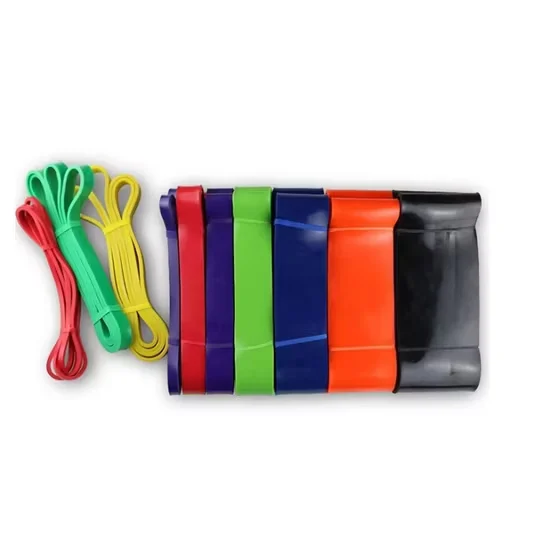
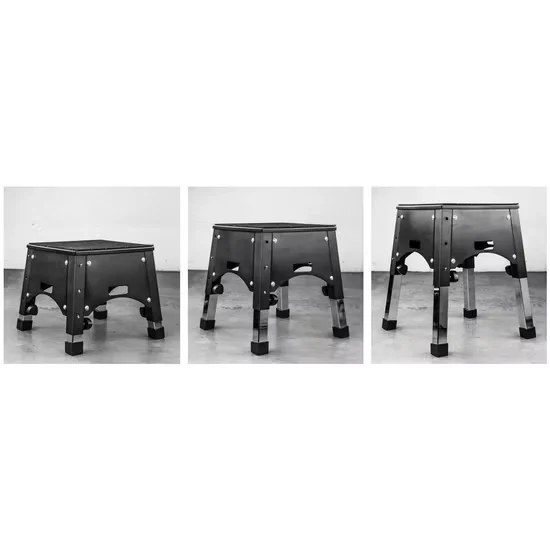
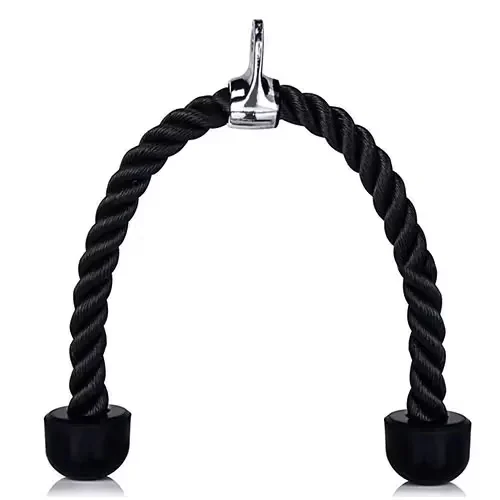
01 / Scenario
STUDIO
P
High-End Pilates Studios
Premium aesthetics meet quiet operation for boutique studio environments.
ISO
9001
CE
Certified
OEM
Available
10YR
Warranty
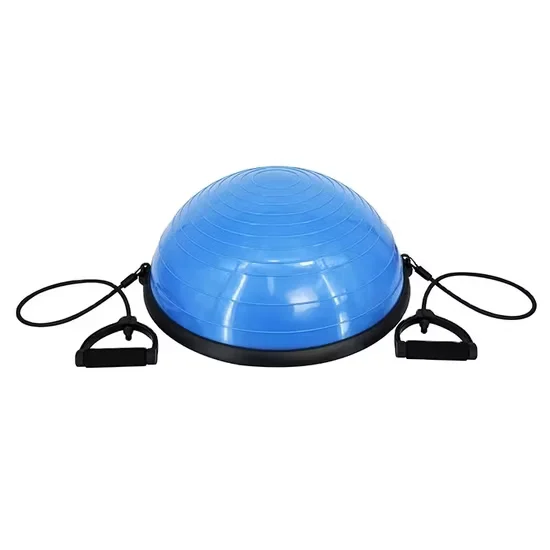
Half Balance Ball, 58 cm Diameter, Customizable Color and Logo — engineered with anti-burst material and reinforced resistance band attachment points for high-frequency commercial use. Includes a dedicated pump for rapid inflation and maintenance across functional training zones. Every unit undergoes load and elasticity testing before shipment, backed by our 10-year frame warranty and floor planning support.
// Spec Highlights
• Direct from Manufacturer · No Middlemen · Worldwide Shipping
01
// Material
Imported Solid Wood
Premium hardwood frames sourced for density and visual warmth.
02
// Hardware
Medical-Grade Silent
Whisper-quiet pulleys and springs for clinical environments.
03
// Customization
Appearance OEM
Color, upholstery, and branding tailored to your studio.
04
// Service
Layout Design
Free venue planning for studios and rehab institutions.
Every component is selected for longevity, performance, and aesthetic harmony - from imported hardwood frames to silent medical-grade accessories.
// Features
Burst-Resistant PVC Shell — The 58 cm half balance ball uses thickened anti-burst material rated for sustained commercial loading, preventing sudden deflation during high-repetition functional drills.
| Parameter | Value |
|---|---|
| Product Type | Half Balance Ball |
| Specification | 58 cm diameter |
| Shell Material | Thickened anti-burst PVC |
| Color Options | Customized |
| Logo | Customized logo available |
| Target User | Adult, Unisex |
| MOQ | 50 PCS |
| Production Capacity | 5,000 units / Year |
| Included Accessories | Resistance bands, air pump |
| Intended Use | Functional training, balance and core conditioning |
| Facility Type | Typical Use |
|---|---|
| Commercial gym functional zone | Balance drills, core stabilization, warm-up activation |
| CrossFit box | Plyometric base work, recovery mobility circuits |
| Hotel and resort fitness center | Guest-friendly core and stability sessions |
| Rehabilitation and performance center | Proprioception retraining, ankle and knee stabilization |
| Group fitness studio | Instructor-led balance and core classes |
Commercial half balance ball trainer with resistance bands must secure the anchor interface against repeated eccentric pull.
In high-traffic facilities, resistance bands anchored to a balance ball undergo thousands of stretch-release cycles per week. Standard consumer-grade units use molded plastic D-rings glued or heat-seated into thin PVC — within three months the anchor point deforms, the band slips, or the PVC tears at the seam. The result is not just a replacement cost; it is a liability event when a loaded band snaps back toward a user mid-rep. Addressing this requires reinforcing the anchor zone with a wider bonding surface and selecting PVC compounds that resist stress-cracking under sustained tension [NEED_CITE: material fatigue behavior of PVC under cyclic tensile loading].
This commercial half balance ball trainer with resistance bands occupies the unstable-surface tier of a functional training zone, bridging flat-floor compound movements and dedicated balance equipment. It complements rigid platforms such as plyo boxes and turf sleds by introducing a convex, shifting base that forces stabilizer recruitment through the ankle, knee, and lumbar chain. Facilities running 60-plus minutes of continuous small-group sessions benefit most, as the 58 cm profile accommodates a wide range of adult statures without requiring multiple size inventories. The integrated band system adds an upper-body loading dimension that pure balance discs cannot deliver.
A commercial half balance ball trainer with resistance bands faces a compound stress profile: static compression from body weight, impact loading from step-ups or lateral bounds, and eccentric shear from band anchoring at off-axis angles. The PVC shell must resist micro-tearing at the band anchor where stress concentrates with every pull cycle. The inflation valve and seam lines represent secondary fatigue zones — repeated pressure fluctuation from temperature changes and loading can weaken heat-welded joints over time. Band elasticity degrades with UV exposure and sweat contact, requiring scheduled replacement independent of the ball itself [NEED_CITE: elastomer degradation under UV and saline exposure in fitness environments].
The 58 cm diameter defines the contact footprint and the instability gradient — a larger dome raises the center of gravity and increases the corrective demand on stabilizers, while a smaller one limits the range of motion for taller users. Shell thickness directly governs burst resistance and long-term pressure retention; thin-walled consumer PVC loses internal pressure faster and develops flat spots under sustained load. The band anchor construction matters as much as the shell: a wide, integrally bonded anchor plate distributes tensile force across a larger PVC area, reducing the risk of localized tear propagation. The included pump specification determines how quickly staff can restore pressure between user sessions, which directly affects throughput during peak hours.
Reducing PVC gauge to lower unit cost accelerates pressure loss, forcing staff to reinflate daily instead of weekly — a labor cost that compounds across a fleet of balls. Thinner walls also develop permanent deformation at the base contact patch, creating an uneven platform that compromises exercise consistency. Eliminating the reinforced anchor plate saves pennies per unit but shifts the failure mode from gradual band wear to sudden PVC rupture at the anchor seam, generating injury risk and warranty claims. Non-standard band connectors leave facilities unable to source replacements from local fitness suppliers, turning a consumable into a single-source dependency [NEED_CITE: total cost of ownership analysis for commercial fitness accessories].
Every unit ships after individual pressure-hold testing, confirming shell integrity before it reaches the training floor. The thickened anti-burst PVC is selected for commercial duty cycles, not occasional home use, and the reinforced band anchor is designed to withstand sustained eccentric loading without seam separation. BICKFIT supports customized color and logo options, allowing chain operators to maintain visual consistency across multiple locations from a single production run. The 2D-3D floor planning service helps position balance ball stations with appropriate spacing from rack lines and cable stations, ensuring safe traffic flow in dense functional zones. OEM private-label programs are available for distributors building their own accessory lines.
Provide your functional zone floor area and target station count so the engineering team can generate a 2D-3D layout showing equipment placement and safety clearances. Specify your expected daily user volume to confirm that the commercial-grade shell and anchor construction match your traffic intensity. Indicate any customized color or logo requirements early in the inquiry to align production scheduling with your facility opening timeline.
Q: What structural differences separate a commercial half balance ball from a consumer-grade model?
A: Commercial units use thickened anti-burst PVC with reinforced band anchor zones designed to withstand thousands of eccentric pull cycles. Consumer models typically feature thinner walls and glued-on anchor points that degrade rapidly under continuous facility use, leading to pressure loss and seam failure.
Q: How often should the resistance bands be replaced in a high-traffic gym environment?
A: Replacement frequency depends on daily usage volume and exposure to sweat and cleaning agents. Facilities should establish a scheduled rotation cycle rather than waiting for visible fraying, as elastomer fatigue reduces tension capacity before external signs appear.
Q: What is the correct inflation standard for the 58 cm half balance ball?
A: The ball should be inflated until the dome reaches full height with a firm, responsive surface that does not bottom out under adult body weight. Over-inflation increases burst risk on impact, while under-inflation creates an unstable, uneven platform that compromises exercise form.
Q: How should facilities plan storage and station spacing for multiple half balance balls?
A: Each station requires a minimum 1.2 m clearance radius to allow safe lateral movement and band extension. Wall-mounted racks or dedicated shelving keep balls off the floor between sessions, protecting the base from abrasive contact and extending shell life.
Premium aesthetics meet quiet operation for boutique studio environments.
Medical-grade silence and precision for sports & postpartum recovery.
Furniture-grade craftsmanship for premium residential installations.
Compact premium setups for one-on-one and small-group training.
Aesthetic Pilates integration for hybrid wellness studio programming.
Multi-unit deployment with instructor-grade reliability for certification programs.
Tell us about your project. Our team will respond within 24 hours with pricing, customization options, and shipping details.
// Sales Director
William
+86 132 2531 1800
// Export Manager
Bella
+86 198 5412 8032
william@bickfit.com