01 / Scenario
STUDIO
P
High-End Pilates Studios
Premium aesthetics meet quiet operation for boutique studio environments.
ISO
9001
CE
Certified
OEM
Available
10YR
Warranty
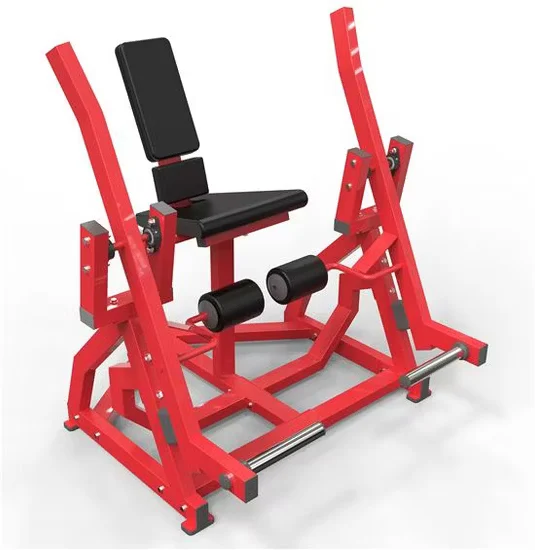
Commercial ISO Lateral Leg Extension Machine, 50×100×3mm Frame, 140kg Weight — selectorized pin-select stack system with sealed bearings and aircraft-cable pulleys for smooth iso-lateral movement. The 3mm wall thickness provides structural rigidity under repeated heavy loading, eliminating flex during high-rep sets. Every unit undergoes full load testing before shipment, backed by a 10-year frame warranty and CAD-based floor planning support.
// Spec Highlights
• Direct from Manufacturer · No Middlemen · Worldwide Shipping
01
// Material
Imported Solid Wood
Premium hardwood frames sourced for density and visual warmth.
02
// Hardware
Medical-Grade Silent
Whisper-quiet pulleys and springs for clinical environments.
03
// Customization
Appearance OEM
Color, upholstery, and branding tailored to your studio.
04
// Service
Layout Design
Free venue planning for studios and rehab institutions.
Every component is selected for longevity, performance, and aesthetic harmony - from imported hardwood frames to silent medical-grade accessories.
// Features
Continuous MIG Welded Frames — robotic weld lines eliminate spot-weld fatigue points on this commercial selectorized leg extension machine.
| Parameter | Value |
|---|---|
| Product Type | Selectorized Leg Extension Machine |
| Frame Tube Size | 50×100×3mm |
| Steel Grade | Q235 / Q345 industrial steel, mill-certified |
| Welding Type | Robotic MIG continuous weld |
| Loading Type | Selectorized (pin select) |
| Bearing Type | Sealed industrial bearings |
| Pulley System | Aircraft-cable pulley system |
| Upholstery | Available in standard or high-density options |
| Powder Coating | 200μm scratch-resistant |
| Product Dimensions | 1500×2000×1500 mm |
| Net Weight | 140 kg |
| Certification | ISO 9001, CE, RoHS |
| Warranty | 10-year frame warranty |
| Facility Type | Typical Use |
|---|---|
| Commercial gym strength floor | High-traffic selectorized leg extension machine for daily member rotation |
| Hotel fitness center | Compact footprint with customized color options for premium aesthetics |
| University strength and conditioning room | Structural capacity to withstand athletic squad training loads |
| Rehabilitation and performance center | Controlled selectorized resistance for progressive recovery protocols |
Frame wall thickness defines the deformation threshold before steel yields.
Many suppliers label equipment as "commercial grade" without disclosing verifiable tube wall specifications. When a member loads the leg extension pad to maximum stack capacity and performs explosive repetitions, thin-walled frames flex at the weld joints. Spot-welded connections concentrate stress at discrete points, and repeated heavy loading causes micro-cracks that propagate silently until structural failure occurs. Non-sealed bearings develop lateral play within the first year of high-frequency use, degrading the movement path and increasing maintenance callouts [NEED_CITE: EN 957 structural requirements for stationary training equipment].
The commercial selectorized leg extension machine isolates the quadriceps through a seated open-chain knee extension pattern. In a typical strength zone layout, it complements compound lower-body stations like squat racks and leg presses by providing targeted isolation work. Facilities with moderate to high member throughput benefit from selectorized loading, which eliminates plate handling time. The seat and pad adjustment range accommodates users across a broad height spectrum, making it suitable for general membership populations as well as athletic training environments.
Every repetition transmits force through the pivot bearing and into the frame tube at the knee axis junction. High-traffic commercial environments see this machine loaded repeatedly throughout operating hours, generating thousands of fatigue cycles per week. Continuous MIG welding distributes load along the full weld seam rather than concentrating it at spot-weld nodes. Sealed bearings resist sweat and dust infiltration that degrades unsealed bushings, maintaining alignment through extended use intervals [NEED_CITE: weld classification and fatigue performance in structural steel].
The 50×100×3mm rectangular tube provides a cross-sectional area that resists torsional twisting when users apply off-center force to the leg pad. The 3mm wall thickness establishes a deformation threshold that holds the frame geometry stable under maximum stack loading. Robotic MIG welding produces consistent penetration depth along each joint, eliminating the cold-joint risk inherent in manual spot welding. Aircraft-cable pulley systems paired with sealed industrial bearings maintain smooth cable travel without the binding that occurs when guide rods deflect under eccentric loads. The 200μm powder coating thickness protects contact zones from chipping when plates and shoes strike the frame repeatedly.
Reducing frame tube wall thickness to cut material cost shifts the deformation point lower, meaning the frame flexes visibly under loads it should handle without deflection. Spot-welded joints that pass initial visual inspection develop cracks under cyclic loading, creating liability exposure for facility operators. Unsealed bearings require frequent replacement as play develops, generating maintenance labor cost and machine downtime. Thin powder coating chips at high-contact zones, exposing bare steel to oxidation from sweat and cleaning chemicals [NEED_CITE: powder coating thickness standards for commercial fitness equipment].
The 50×100×3mm frame steel carries mill certification traceable to the source coil, so you can verify material grade rather than accepting vague commercial-grade claims. Robotic MIG continuous welding replaces spot-weld processes that fail under repeated loading. Every unit undergoes individual load testing before shipment, not sample-based batch inspection. The 200μm industrial powder coating withstands daily contact wear and chemical cleaning. The 10-year frame warranty backs the structural specification. Facility planning support includes CAD layout files showing the 1500×2000mm footprint with required safety clearances between stations. OEM customization covers frame color, upholstery density, and logo placement.
Provide your strength area square footage and current equipment list to receive a 2D-3D layout showing this machine integrated with proper safety clearances. Specify your average daily user count so structural grade recommendations align with actual traffic volume. Confirm the height and weight range of your target user population to verify adjustment positions cover your membership. State any customization requirements for frame color, upholstery selection, or branded logo application.
Q: How do I verify equipment meets genuine commercial-grade standards?
A: Request the supplier’s steel mill certificate showing tube wall thickness and material grade such as Q235 or Q345. Confirm welding is continuous MIG rather than spot-welded. Ask for individual unit load test records rather than sample-based batch testing reports. Check that bearings are sealed industrial type, not unsealed bushings that develop play quickly under high-frequency use.
Q: What is the relationship between frame tube dimensions and load capacity?
A: The 50×100×3mm rectangular tube cross-section determines how much torsional force the frame absorbs before flexing. Thicker walls and larger cross-sectional areas raise the deformation threshold. Load capacity depends on the tube specification combined with weld penetration depth and joint geometry. A frame built to these dimensions maintains geometric stability under maximum selectorized stack loading.
Q: How should I choose between selectorized and plate-loaded systems for my facility?
A: Selectorized machines allow rapid weight changes via pin selection, supporting high member throughput in commercial gyms. Plate-loaded systems suit environments where users load heavier absolute weights and prefer incremental plate additions. Consider your average session duration, member turnover rate, and whether your users prioritize loading speed or maximum load flexibility when specifying equipment.
Q: What maintenance intervals apply to sealed bearings and pulley systems?
A: Sealed industrial bearings require visual inspection at quarterly intervals to confirm smooth rotation without lateral play. Aircraft-cable pulleys should be checked for cable fraying and groove wear during the same maintenance window. The sealed design prevents sweat and dust infiltration, extending service intervals significantly compared to unsealed bushing configurations that require monthly attention.
Premium aesthetics meet quiet operation for boutique studio environments.
Medical-grade silence and precision for sports & postpartum recovery.
Furniture-grade craftsmanship for premium residential installations.
Compact premium setups for one-on-one and small-group training.
Aesthetic Pilates integration for hybrid wellness studio programming.
Multi-unit deployment with instructor-grade reliability for certification programs.
Tell us about your project. Our team will respond within 24 hours with pricing, customization options, and shipping details.
// Sales Director
William
+86 132 2531 1800
// Export Manager
Bella
+86 198 5412 8032
william@bickfit.com