01 / Scenario
STUDIO
P
High-End Pilates Studios
Premium aesthetics meet quiet operation for boutique studio environments.
ISO
9001
CE
Certified
OEM
Available
10YR
Warranty
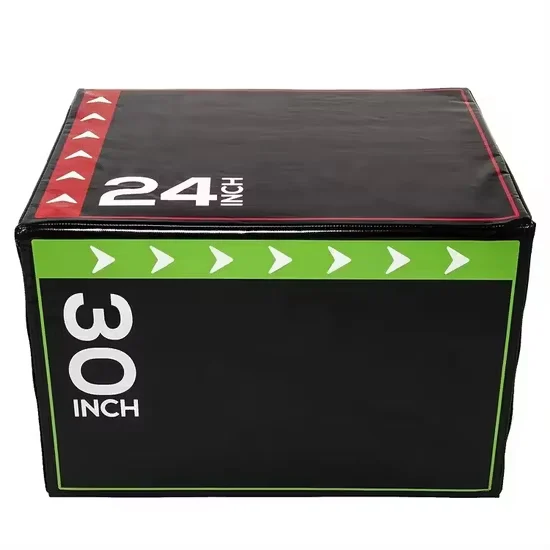
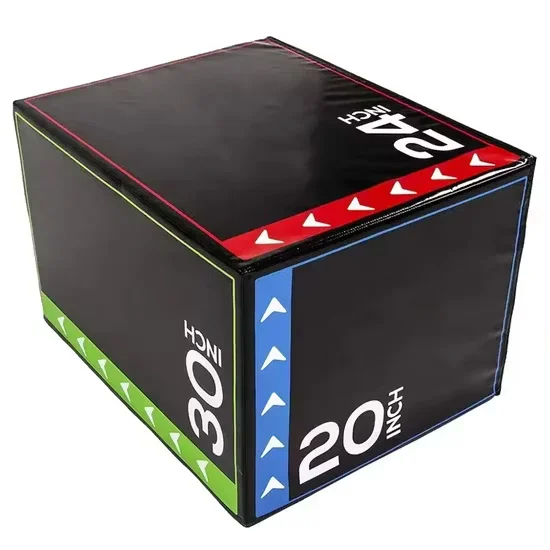
Soft Plyo Box, 50×60×75cm, High-Density Foam Core — engineered for high-traffic commercial and CrossFit facilities with reinforced outer shell resisting tearing at contact edges and non-slip base preventing lateral shift during explosive movements. Customizable logo and color options available for private label operators. Every unit undergoes compression testing to verify foam recovery rate and shape retention under repeated impact loading.
// Spec Highlights
• Direct from Manufacturer · No Middlemen · Worldwide Shipping
01
// Material
Imported Solid Wood
Premium hardwood frames sourced for density and visual warmth.
02
// Hardware
Medical-Grade Silent
Whisper-quiet pulleys and springs for clinical environments.
03
// Customization
Appearance OEM
Color, upholstery, and branding tailored to your studio.
04
// Service
Layout Design
Free venue planning for studios and rehab institutions.
Every component is selected for longevity, performance, and aesthetic harmony - from imported hardwood frames to silent medical-grade accessories.
// Features
Impact-Resistant Foam Core — High-density foam engineered for daily commercial plyometric loading without permanent compression deformation.
| Parameter | Value |
|---|---|
| Product Type | Plyo Box |
| Product Dimensions | 50 × 60 × 75 cm |
| Color | Black (custom color options available) |
| Logo | Customized Logo Available |
| MOQ | 50 PCS |
| Production Capacity | 10,000 Units / Year |
| Transport Package | Carton |
| Facility Type | Typical Use |
|---|---|
| Commercial Gym Functional Zone | High-volume plyometric circuits and box jump stations |
| CrossFit Box | Explosive conditioning drills and multi-height jump progressions |
| University Strength & Conditioning Room | Athlete power development and agility programming |
| Hotel & Resort Fitness Center | Group training sessions with safe landing surfaces |
| Rehabilitation & Performance Center | Controlled step-up and lateral hop rehabilitation drills |
A commercial soft plyo box must maintain structural recovery after thousands of impact landings — not just survive the first month.
Too many soft boxes on the market ship with low-density foam cores that compress permanently within weeks of daily gym use. The landing surface develops uneven depressions, forcing athletes to compensate mid-air and increasing ankle and knee injury risk. Operators notice the problem only after complaints pile up — by then, the foam has bottomed out and the unit is unsafe for continued plyometric training. A properly engineered commercial soft plyo box uses foam density rated for repeated high-force landings, maintaining consistent surface geometry across its service life [NEED_CITE: foam compression set standards for repetitive impact applications].
A commercial soft plyo box occupies the explosive power development zone of any functional training area, covering vertical and horizontal force production across the sagittal and frontal planes. It pairs naturally with sleds, battle ropes, and kettlebell stations to create a complete conditioning circuit. The 50 × 60 × 75 cm footprint allows multiple units to be staged at different heights for progressive programming without consuming excessive floor space. Its soft construction makes it suitable for high-density gym layouts where wooden plyo boxes would create floor damage and noise transmission concerns.
Plyometric box training generates impact forces significantly exceeding the user’s body weight at each landing — a 100 kg athlete performing depth jumps can produce peak forces well above 300 kg on the foam surface. These loads repeat hundreds of times per day in a busy commercial gym, creating a fatigue cycle that tests both the foam core’s compression recovery and the outer shell’s seam integrity. The non-slip base must resist lateral shift during explosive takeoffs, where horizontal shear forces act independently from vertical compression. Outer shell materials face abrasion at contact edges where shoes repeatedly strike during step-ups and pop-offs, while sweat and cleaning chemicals degrade lower-grade vinyl over time [NEED_CITE: material degradation under UV and chemical exposure in commercial fitness environments].
The core performance variable of any soft plyo box is foam density — typically measured in kg/m³ — which directly determines how much the material compresses under load and whether it returns to its original shape. Higher density foam resists permanent compression set, meaning the box maintains its rated height and flat landing surface through thousands of cycles. Lower density foam, common in consumer-grade products, develops permanent indentations within weeks of commercial use, creating an uneven and potentially dangerous landing platform. The outer shell material and seam construction method determine tear resistance at high-wear edges. Reinforced stitching or welded seams at stress points prevent splitting that exposes the foam core to moisture and accelerates degradation. The non-slip base material — typically rubber or textured PVC — must provide sufficient friction coefficient against both rubber flooring and plywood platforms to prevent lateral movement during loaded jumps.
Manufacturers cutting costs on soft plyo boxes typically reduce foam density and thin the outer shell material — savings that translate directly into replacement frequency. A low-density foam box in a high-traffic commercial gym may need replacement within three to six months, compared to multiple years for a properly specified unit. Beyond the direct replacement cost, operators face downtime when units are pulled from the floor, athlete complaints about uneven surfaces, and potential liability from landings on compromised foam. Non-slip bases made from thin or low-friction materials shift during use, creating a slip hazard that no amount of repositioning permanently solves. The cumulative cost of early replacement, member dissatisfaction, and safety incidents far exceeds the initial price difference between a consumer-grade and a commercially specified commercial soft plyo box [NEED_CITE: total cost of ownership analysis for commercial fitness equipment foam products].
Every commercial soft plyo box undergoes compression testing before shipment to verify foam density meets commercial-grade specifications — not sample-based testing, but unit-level validation. The outer shell material is selected for abrasion resistance and seam strength appropriate for high-repetition plyometric use, with reinforced construction at stress points. The non-slip base is engineered to maintain friction on both rubber and hardwood flooring surfaces throughout daily use. BICKFIT provides 2D-3D floor planning support to ensure proper spacing between plyo stations and adjacent equipment, maintaining safe clearance zones for explosive movements. Custom branding and color options are available for private label operators, with logo application methods designed to withstand cleaning chemicals and daily handling without peeling or fading.
Provide your functional training area dimensions and target equipment list to receive a 2D-3D floor plan with commercial soft plyo box placement optimized for traffic flow and safety clearance. Specify your daily usage volume to ensure foam density and shell construction match your operational intensity. Indicate target user height and weight ranges to confirm the 75 cm maximum height orientation suits your programming needs. Custom color and logo requirements can be specified for private label orders with confirmed lead times.
Q: How do I evaluate whether a soft plyo box uses commercial-grade foam density?
A: Request the manufacturer’s foam density specification in kg/m³ and compression set test data. Commercial-grade foam typically exceeds 30 kg/m³ and shows less than 10% permanent deformation after standardized compression cycling. Consumer-grade foam falls below this threshold and develops visible indentations within weeks of daily gym use. Compare test reports, not marketing claims, when evaluating foam quality for high-traffic environments.
Q: What outer shell materials resist tearing during daily plyometric use?
A: Heavy-duty vinyl with reinforced stitching or welded seams at stress points provides the best tear resistance for commercial soft plyo box applications. The material should withstand repeated shoe contact at edges without splitting. Ask for seam construction details and abrasion resistance ratings. Lower-grade vinyl or poorly stitched seams fail first at high-wear contact zones, exposing the foam core to moisture and accelerating degradation.
Q: Can this soft plyo box be used at multiple heights for progressive programming?
A: Yes, the 50 × 60 × 75 cm commercial soft plyo box can be oriented on three faces, providing 50 cm, 60 cm, and 75 cm working heights from a single unit. This eliminates the need to purchase multiple boxes for different exercise progressions. Ensure the foam density supports stable landings at all orientations, as lower-density foam may compress unevenly when used at maximum height with heavier athletes.
Q: What are the trade-offs between a soft plyo box and a wooden plyo box?
A: Soft plyo boxes prioritize athlete safety through impact absorption and reduce floor damage and noise transmission — critical in multi-story facilities and high-density gym layouts. Wooden boxes offer longer structural lifespan but create injury risk on missed jumps and damage flooring. For commercial gyms with high-volume plyometric programming and mixed-skill athletes, a commercial soft plyo box provides better risk management and facility protection despite requiring eventual foam replacement.
Premium aesthetics meet quiet operation for boutique studio environments.
Medical-grade silence and precision for sports & postpartum recovery.
Furniture-grade craftsmanship for premium residential installations.
Compact premium setups for one-on-one and small-group training.
Aesthetic Pilates integration for hybrid wellness studio programming.
Multi-unit deployment with instructor-grade reliability for certification programs.
Tell us about your project. Our team will respond within 24 hours with pricing, customization options, and shipping details.
// Sales Director
William
+86 132 2531 1800
// Export Manager
Bella
+86 198 5412 8032
william@bickfit.com