01 / Scenario
STUDIO
P
High-End Pilates Studios
Premium aesthetics meet quiet operation for boutique studio environments.

ISO
9001
CE
Certified
OEM
Available
10YR
Warranty
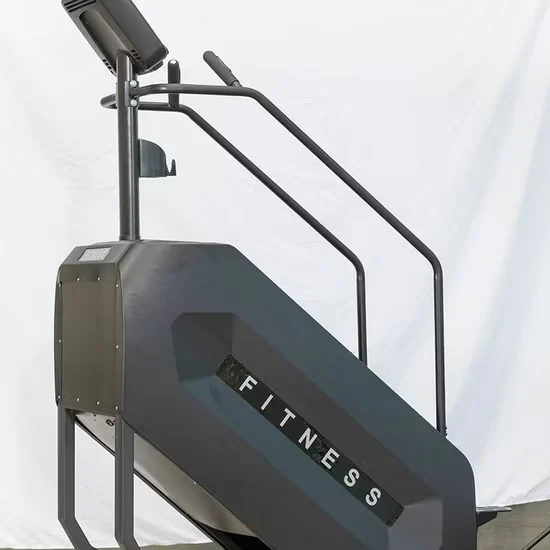
SQ1017 Commercial Stair Climber, Motor Drive, 15-164 Steps/Min — engineered with a 148kg steel frame for high-traffic gym environments, featuring 560×235×220mm ergonomic step panels and AC220V/AC110V dual voltage compatibility. Every unit undergoes full load testing before shipment to ensure structural integrity under continuous commercial use.
// Spec Highlights
• Direct from Manufacturer · No Middlemen · Worldwide Shipping
01
// Material
Imported Solid Wood
Premium hardwood frames sourced for density and visual warmth.
02
// Hardware
Medical-Grade Silent
Whisper-quiet pulleys and springs for clinical environments.
03
// Customization
Appearance OEM
Color, upholstery, and branding tailored to your studio.
04
// Service
Layout Design
Free venue planning for studios and rehab institutions.
Every component is selected for longevity, performance, and aesthetic harmony - from imported hardwood frames to silent medical-grade accessories.
// Features
Motor-Driven Steel Frame Stability — The 148kg net weight chassis anchors the commercial stair climber machine during continuous high-step-rate operation, preventing base shift under sustained load.
| Parameter | Value |
|---|---|
| Designation | SQ1017 |
| Product Type | Commercial Stair Climber |
| Drive Type | Motor Drive |
| Power Input | AC220V±10% / AC110V±10% |
| Running Velocity | 15–164 steps/minute |
| Step Area | 560×235×220mm |
| Product Dimensions | 1450×820×2080mm |
| Net Weight | 148kg |
| Console Display | Time, Climb, Calories, Steps, Heart Rate |
| Frame Material | Steel Pipe + PP Plastic |
| Certification | CE |
| Condition | New |
| Facility Type | Typical Use |
|---|---|
| Commercial Gym Strength Floor | High-traffic cardiovascular conditioning zone |
| Hotel Fitness Center | 24-hour guest access with variable intensity settings |
| Home Gym | Dedicated endurance training for adult users |
A 148kg motor-driven chassis eliminates the sway that plagues lighter stair climbers at peak cadence.
Operators running a commercial stair climber machine through eight-hour daily cycles know the problem: lightweight frames develop harmonic vibration above 120 steps per minute, fasteners loosen at the pedal arm joints, and the console mount begins to flex. The SQ1017 addresses this with a steel pipe frame paired to a motor drive system that maintains consistent torque across the full 15–164 steps/minute range. The 560×235×220mm pedal surface distributes impact force across the full foot platform rather than concentrating stress at a single pivot point [NEED_CITE: fatigue loading patterns in motorized cardiovascular equipment].
The commercial stair climber machine occupies the vertical-displacement training zone, targeting the gluteal chain, quadriceps, and calf complex through a closed-chain stepping pattern. On a typical gym floor, it pairs with treadmills and rowers to offer three distinct cardiovascular modalities — horizontal, seated-pull, and vertical step. The 1450×820×2080mm footprint requires dedicated clearance on three sides for safe mounting and dismount. The 15–164 steps/minute range accommodates both warm-up pace and high-intensity interval protocols across a broad user base.
Every pedal stroke on a commercial stair climber machine delivers a downward impact force into the step arm linkage, the drive shaft bearings, and the frame weld nodes. Over thousands of daily cycles, these forces concentrate at the junction where the pedal arm meets the main frame rail — a point where spot welds fail first. The SQ1017’s steel pipe construction channels load through the full tube cross-section rather than relying on isolated weld tabs. The motor drive system absorbs regenerative torque during deceleration, reducing shock transmission to the bearing housings [NEED_CITE: bearing load distribution in continuously driven step mechanisms]. Pedal surface wear, handrail grip degradation, and console mount vibration all follow predictable degradation curves tied to cumulative step count.
The 148kg net weight is not arbitrary mass — it reflects the steel pipe gauge and wall thickness selected to resist torsional deflection under asymmetric loading. When a 120kg user steps at 160 steps/minute, the frame must resist both vertical compression and lateral sway simultaneously. The 560×235×220mm step area provides a platform large enough to accept full-foot contact, reducing point-load concentration on the pedal arm pivot. The motor drive specification of AC220V/AC110V compatibility means the drive unit must handle voltage fluctuation without torque drop-off — a common failure mode in single-voltage designs deployed across regions with unstable power grids. The steel pipe and PP plastic material combination separates structural load-bearing elements from cosmetic covers, ensuring that surface wear does not compromise frame integrity.
Manufacturers chasing a lower price point on a commercial stair climber machine typically thin the frame tube wall, reduce chassis mass below 100kg, and substitute open bearings for sealed units. The consequences emerge in sequence: frame flex appears first at step rates above 130/minute, bearing play develops within months of heavy use, and pedal arm weld nodes begin to show hairline cracks under cyclic loading. Non-sealed bearings allow sweat and floor cleaning chemicals to penetrate the race, accelerating corrosion and increasing rotational resistance. The end result is a machine that requires bearing replacement, weld repair, and frame reinforcement within its second year — costs that exceed the initial savings many times over [NEED_CITE: corrosion mechanisms in unsealed bearing systems exposed to gym environments].
The SQ1017 is manufactured in a 15,000㎡ vertically integrated facility where every steel pipe batch is mill-certified and traceable to the original coil. Robotic MIG welding produces continuous weld lines along all structural joints — no spot-weld shortcuts at the pedal arm connections. Each unit undergoes load testing before shipment, verifying that the 148kg chassis maintains structural alignment under sustained operational stress. The 200μm scratch-resistant powder coating protects the steel pipe frame from sweat corrosion and cleaning chemical exposure across the equipment’s service life. For facility planners, 2D-3D CAD layout support ensures the 1450×820×2080mm footprint integrates with proper safety clearances and traffic flow patterns on the commercial gym floor.
Provide your cardiovascular zone floor area and existing equipment list to receive a 2D-3D layout plan showing how the SQ1017 integrates with surrounding stations. Specify your expected daily user volume so the structural configuration can be matched to operational intensity. Indicate any customization requirements for frame color or console branding to align with your facility’s visual identity.
Q: What is the difference between motor drive and self-generated drive in commercial stair climbers?
A: Motor drive systems like the SQ1017 provide consistent step resistance regardless of user cadence, drawing power from a standard AC outlet. Self-generated units rely on user effort to power the console and step mechanism, which can create inconsistent resistance at lower speeds. Motor drive is preferred in high-traffic commercial environments where consistent performance across all users is required.
Q: How should I evaluate the structural durability of a stair climber before purchasing?
A: Focus on three factors: chassis weight relative to the footprint size, welding method at pedal arm junctions, and bearing type in the drive system. A heavier chassis with continuous welds and sealed bearings will outlast a lighter frame with spot welds and open bearings under the same daily usage conditions. Request load test documentation to verify structural integrity claims.
Q: What impact does the 560×235×220mm step area have on user comfort and joint stress?
A: A larger step surface allows full-foot contact during the stepping motion, distributing impact force across the entire foot rather than concentrating it at the ball or heel. This reduces localized joint stress at the knee and ankle during extended climbing sessions. The 560mm length accommodates a natural stride depth for most adult users without requiring excessive hip flexion.
Q: How much floor space and clearance does this commercial stair climber require?
A: The unit measures 1450×820×2080mm in footprint. Industry practice recommends a minimum 600mm safety clearance on all accessible sides for mounting, dismounting, and emergency access. Total allocated floor area should be approximately 2650×2020mm including clearance zones. Ceiling height must exceed 2080mm plus user headroom during operation.
Q: What maintenance intervals apply to the motor drive system and structural components?
A: Motor drive units should be inspected at 500-hour intervals for bearing noise and brush wear. Pedal arm pivot bearings require lubrication verification at the same interval. Structural fasteners at all frame weld nodes should be torque-checked at 30-day intervals during initial operation, then quarterly thereafter. The powder-coated steel frame needs only pH-neutral cleaning to maintain corrosion resistance.
Premium aesthetics meet quiet operation for boutique studio environments.
Medical-grade silence and precision for sports & postpartum recovery.
Furniture-grade craftsmanship for premium residential installations.
Compact premium setups for one-on-one and small-group training.
Aesthetic Pilates integration for hybrid wellness studio programming.
Multi-unit deployment with instructor-grade reliability for certification programs.
Tell us about your project. Our team will respond within 24 hours with pricing, customization options, and shipping details.
// Sales Director
William
+86 132 2531 1800
// Export Manager
Bella
+86 198 5412 8032
william@bickfit.com