Titan Fitness Alternatives for Russia Buyers | Wholesale Supplier OEM Factory Direct
Matching a spec sheet to a Titan machine is the easiest way to waste a container-load of money in Russia.
The real answer to finding reliable Titan Fitness alternatives for Russia buyers lies not in copying external dimensions, but in upgrading the structural skeleton—thicker steel tubing, precision-machined pin diameters, and cold-resistant pulley bearings—while cutting procurement costs substantially through direct factory sourcing from Shandong-based manufacturers who understand Russian climate demands and consolidation logistics.
I still remember a WhatsApp voice message chain that wouldn’t stop buzzing. A gym owner in Lagos had just opened a crate of what looked, on paper, to be a perfect clone of a popular American brand’s cable crossover. The pin diameter on the weight stack was off by a few millimeters. The plates wouldn’t slide. The machine was dead on arrival, and the buyer was furious. That was years ago, but the lesson burned itself into how I evaluate every sourcing request since—especially when Russian buyers ask me about Titan Fitness alternatives. The first question I now ask is never "What’s your budget?" It’s always: "Tell me which parts on your current machines fail first."

The Russian market has its own set of pressures. Long sea transit from Chinese ports, extreme winter temperature swings in warehouse storage, and a commercial gym culture where equipment gets hammered by serious lifters multiple times a day. These factors separate a genuine alternative from a cosmetic copy. Let’s break down exactly what matters.
Why Russian Buyers Are Looking Beyond Titan Fitness?
The shift toward Titan Fitness alternatives for Russia buyers is driven by two forces: procurement cost compression and the need for localized after-sales flexibility—not by a desire to chase the cheapest option on Alibaba.
Russian fitness club operators have been navigating a complex economic landscape. Membership card sales across the country have grown noticeably year over year, while service pricing has climbed in tandem, reflecting sustained demand even amid broader consumer spending caution [NEED_CITE: Russian fitness market membership growth and pricing trends]. Gym owners are reinvesting that revenue into equipment upgrades, but they are doing so with sharper cost discipline than before.
A Moscow-based chain operator I worked with needed to refurbish the free-weight zone across several locations simultaneously. The original plan was to reorder from the same American supplier they had used five years prior. The math didn’t work. Lead times had stretched, shipping costs to St. Petersburg had surged, and the exchange rate made dollar-denominated invoices painful. They needed a source that could deliver commercial-grade durability at a fraction of the landed cost—without sacrificing the structural integrity their members expected.
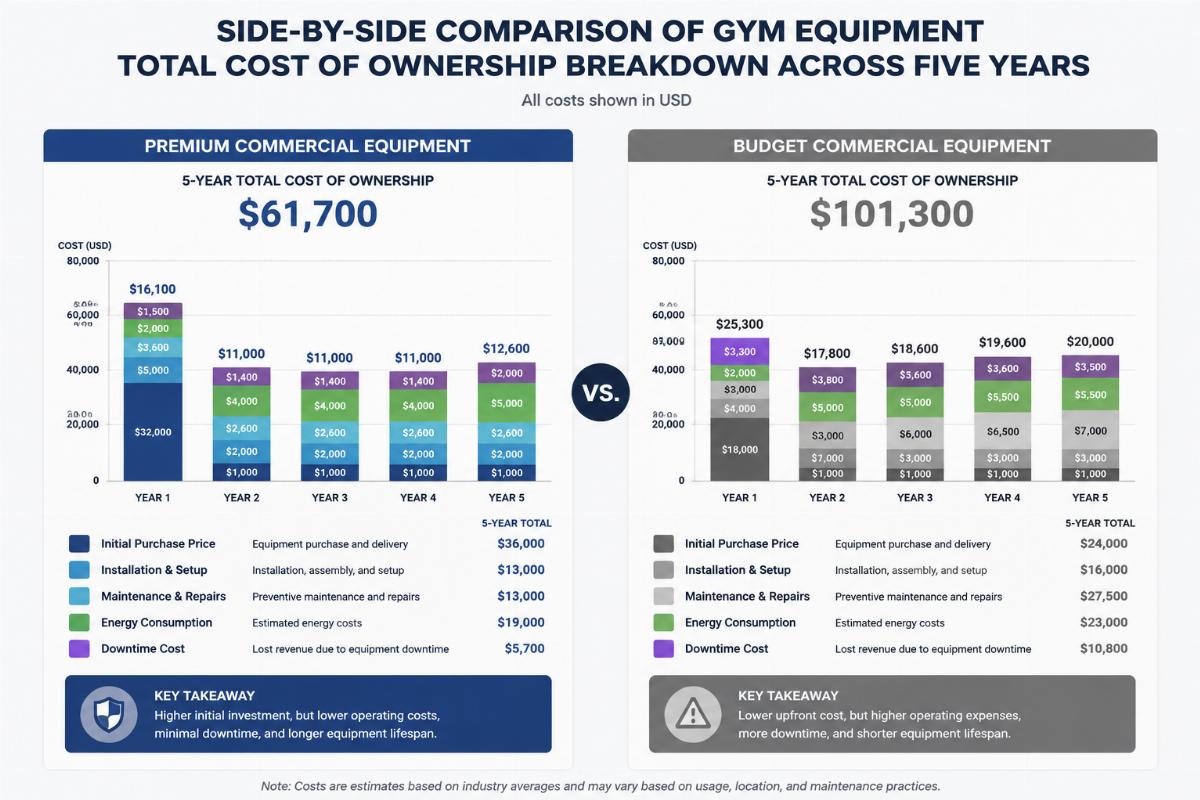
This is where Titan Fitness alternatives for Russia buyers become a strategic conversation rather than a discount hunt. The goal is to preserve—or even improve—the performance characteristics of the original equipment while restructuring the supply chain. Direct factory engagement from Shandong-based manufacturers typically delivers a cost advantage that reshapes the entire project economics, especially when container-load consolidation is factored in.

Critical Specs to Compare: Where Alternatives Often Fail
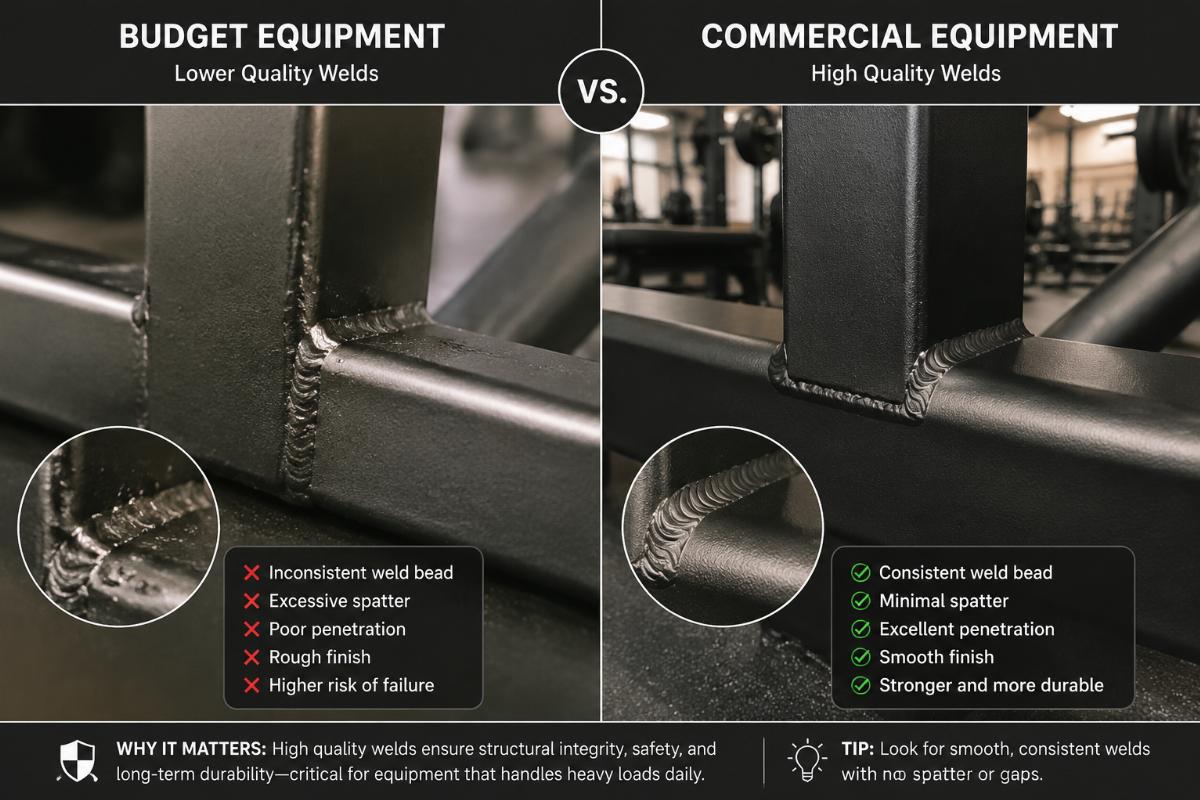
Most spec-sheet comparisons miss the three parameters that actually determine whether a machine survives two years in a high-traffic Russian gym: tube wall thickness tolerance, weld penetration quality, and pin-to-hole clearance.
When a buyer sends me a request for Titan Fitness alternatives, I pull up the original machine’s critical load-bearing joints—not the overall footprint or the aesthetic styling. Here is where the real differentiation lives.
| Parameter | Certified Commercial Grade | Budget Clone |
|---|---|---|
| Main frame tube wall thickness | Heavy-duty commercial standard | Thin-wall residential grade |
| Weld quality inspection | Full batch-level ultrasonic sampling | Visual spot-check only |
| Pin diameter tolerance | Micron-level precision | Uncontrolled, fit-by-feel |
| Pulley bearing seal | Sealed for dust and moisture resistance | Open or loosely shielded |
| Cable strand construction | Commercial multi-strand with nylon coating | Single-layer, uncoated |
| Weight stack guide rod finish | Chrome-plated, corrosion-resistant | Bare or painted steel |
[NEED_CITE: Commercial vs residential fitness equipment steel thickness standards comparison]
The pin diameter issue deserves special attention. On selectorized machines—lat pulldowns, cable crossovers, leg presses—the load pin must slide smoothly through the weight stack hole every single rep. If the clearance is too tight, the pin jams and the user forces it, bending the guide rods. If the clearance is too loose, the pin rattles, wears the hole oval over time, and eventually the stack tips. This is not a dimension you can eyeball. It requires controlled machining and batch-level inspection.
A dealer in Kazan once received a sample batch from a supplier who claimed "identical specs" to a well-known American brand. The power racks looked right. The Smith machines felt solid. But the selectorized pin holes were drilled with a tolerance that varied noticeably from unit to unit. Some pins slid perfectly; others required a mallet. The dealer caught it during pre-shipment inspection and avoided a full-container disaster—but the lesson was clear. Titan Fitness alternatives for Russia buyers must be validated at the component level, not the brochure level.

Sourcing from China: How to Ensure Quality for the Russian Market
Credible Titan Fitness alternatives for Russia buyers come from factories that can produce verifiable certification documentation, submit to third-party inspection, and demonstrate OEM flexibility—not from trading companies that copy-paste product photos.
Shandong Province has developed into one of the world’s densest clusters of commercial fitness equipment manufacturing. The concentration of steel suppliers, powder-coating lines, and skilled welding labor in this region creates an ecosystem where factories can produce equipment that meets international safety standards at a cost structure that undercuts Western brands substantially.
But the ecosystem includes operators of vastly different quality tiers. The filtering process matters.
CE certification is the baseline, not the differentiator. Any factory serious about exporting to markets with regulatory expectations will hold CE documentation for their core product lines. The question to ask is whether the certification covers the specific configuration you are ordering—not just a generic catalog listing.
Third-party factory audits reveal the real operating conditions. A verified inspection report covering production floor layout, welding station qualifications, and quality control checkpoint documentation tells you far more than a glossy brochure. Look for reports that cover structural load testing protocols and material traceability procedures [NEED_CITE: Third-party fitness equipment factory audit scope and verification standards].
Sample testing before bulk commitment is non-negotiable. Order a single power rack or a single Smith machine. Disassemble the critical joints. Measure the tube wall thickness with a caliper. Check the weld penetration on the gusset plates. Test the pulley rotation under load. This is the only way to confirm that the factory’s production output matches their written specifications.
Bick, a Shandong-based manufacturer I have engaged with on multiple Russian market projects, illustrates how this process works in practice. Their product range spans the full spectrum of commercial strength and cardio equipment—power racks, cable crossovers, Smith machines, plate-loaded and selectorized machines, plus treadmills, ellipticals, and rowing equipment. They hold CE certification across their core lines and offer full OEM and ODM branding services with flexible minimum order quantities, from single-unit samples to complete gym fit-out packages. On a recent project supplying a hotel fitness center in the St. Petersburg area, their ability to consolidate cardio, strength, and free-weight equipment into a single container shipment simplified the logistics chain considerably.

Logistics and Packaging: Surviving the Long Sea Journey
Even the best-built machine will arrive damaged or corroded if the packaging and loading plan ignores the realities of a six-to-eight-week sea voyage to Russian ports.
This is the dimension that most first-time importers underestimate. The transit time from major Chinese ports like Qingdao or Shanghai to St. Petersburg or Vladivostok involves prolonged exposure to salt-laden air inside shipping containers. Temperature fluctuations during transit—especially on routes that cross multiple climate zones—create condensation cycles inside the container. Without proper protection, bare steel surfaces develop surface rust, powder-coated surfaces develop adhesion failures at scratch points, and rubber components harden or crack.
The packaging protocol for Titan Fitness alternatives destined for Russia must address several specific risks:
- Vapor corrosion inhibitor wrapping for all bare metal surfaces, including guide rods, pin assemblies, and exposed bearing housings.
- Foam corner protectors and edge guards on all powder-coated frames to prevent coating chips during container loading and unloading.
- Desiccant packs distributed throughout the container to control humidity during the voyage.
- Strategic weight distribution in the loading plan to prevent frame distortion from stacking pressure.
Container-load consolidation is where experienced sourcing partners add measurable value. A gym owner outfitting a new facility needs treadmills, ellipticals, power racks, cable machines, dumbbells, benches, and flooring—often in quantities that don’t individually fill a container. A manufacturer capable of consolidating mixed SKUs into a single container shipment eliminates the cost and complexity of multiple less-than-container-load bookings. This is standard practice for established Shandong factories serving the Russian market, and it directly impacts the per-unit landed cost.
[NEED_CITE: Sea freight packaging standards for fitness equipment corrosion prevention]

OEM and ODM Services: Building Your Own Brand in Russia
For Russian distributors and gym chain operators with brand ambitions, the ability to customize equipment under a private label transforms a commodity purchase into a long-term competitive asset.
The Russian fitness market has a strong tradition of brand loyalty among serious lifters. Gym members notice the equipment. They associate the feel of a well-built cable machine or a solid power rack with the gym’s overall quality standard. For distributors who want to build their own brand rather than resell someone else’s, OEM and ODM services from a capable Chinese factory open a viable path.
The process typically starts with a discussion of which product categories matter most for the target market segment. A commercial gym chain in Moscow will prioritize heavy-duty plate-loaded machines and functional training rigs. A boutique studio in Yekaterinburg might focus on compact cable systems and specialized free-weight accessories. A hotel fitness center in Sochi will need a balanced mix of cardio and light strength equipment with a premium aesthetic finish.
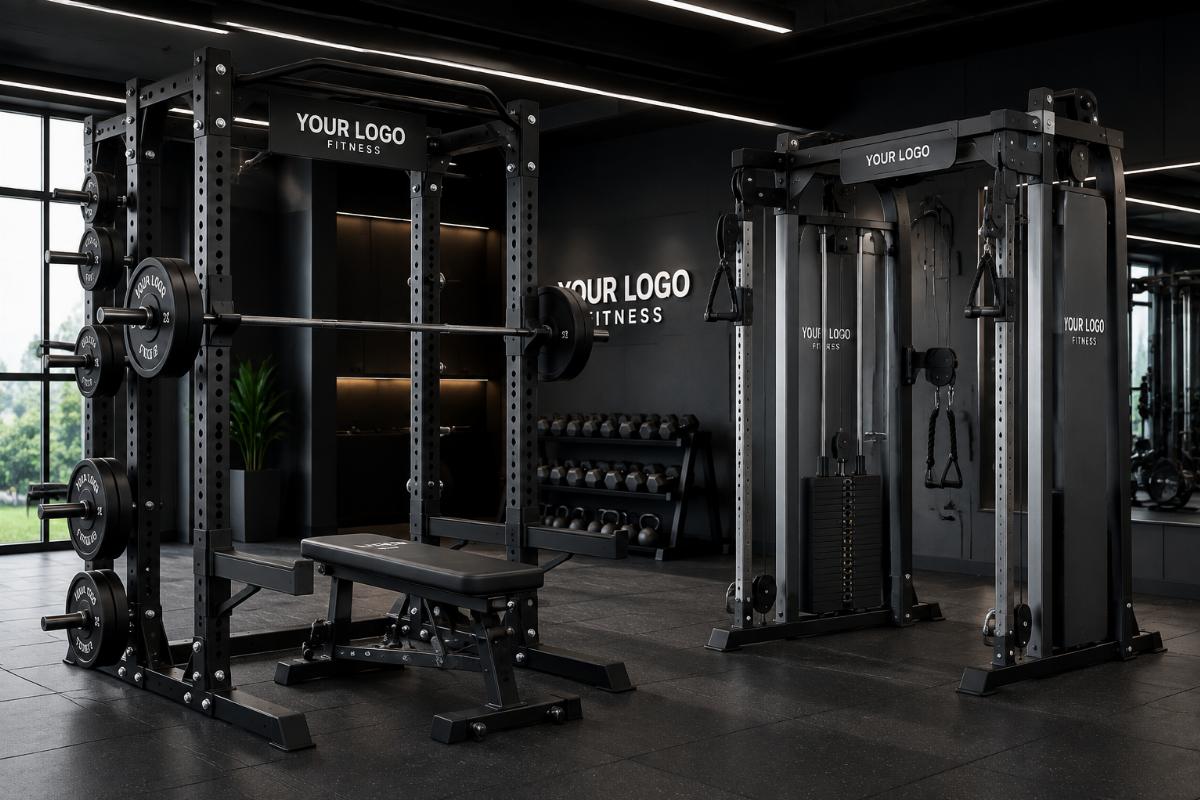
A capable OEM partner will offer customization across multiple dimensions: frame color and powder-coat finish, upholstery material and color, branded logo placement, custom packaging design, and even engineering modifications to accommodate local voltage standards or specific spatial constraints.
[NEED_CITE: OEM fitness equipment customization scope and branding service standards]
The key is finding a factory that treats OEM as a core competency rather than an afterthought. Bick’s OEM flexibility—from single-unit branding samples to full gym package customization—has made them a practical partner for Russian buyers who want to establish their own equipment identity. Their factory-direct pricing structure, which sits substantially below major Western commercial brands, means the margin available for branding, marketing, and local service infrastructure is significantly healthier than importing established labels.
Conclusion
Finding genuine Titan Fitness alternatives for Russia buyers requires looking past surface-level spec matching and focusing on structural integrity, component precision, climate-adapted packaging, and supply chain flexibility. The factories in Shandong that excel in these areas—combining commercial-grade construction, verifiable certifications, OEM customization, and container consolidation capability—offer Russian gym operators and distributors a path to upgrade their equipment while restructuring their procurement economics. The machines that survive in a Russian gym are not the ones that look the most like an American brand. They are the ones built to handle the real demands of the environment they operate in.