Commercial Gym Equipment Supplier for Portugal 5-Star Hotels | Bick OEM Fitness Solutions
Brand premiums do not guarantee weld integrity, bearing durability, or powder-coat adhesion. What guarantees those things is teardown access, certified steel grades, and verifiable load-test documentation.
For Portugal hotel and commercial gym buyers seeking Rogue Fitness alternatives, the most reliable path is sourcing directly from Chinese manufacturers with CE certification, commercial-grade steel construction, and full OEM/ODM capability—delivering equivalent durability at substantially lower landed cost, with turnkey gym packaging and local spare-parts support.
I still remember a project in the Middle East where the procurement team had specified a premium American brand for a five-star resort fitness center. The budget gap was enormous. I flew out with our treadmill’s extended-endurance test report, tore open a demo unit on-site in front of their engineering team, and pointed to the motor housing, the deck layering, and the bearing seals. They signed the OEM contract the next week.验收一次过. The lesson was simple: buyers who can’t physically inspect equipment rely on logos as a shortcut. Buyers who learn to read weld seams, steel thickness, and certification marks stop paying for brand溢价. [NEED_CITE: commercial fitness equipment procurement criteria for hospitality sector]
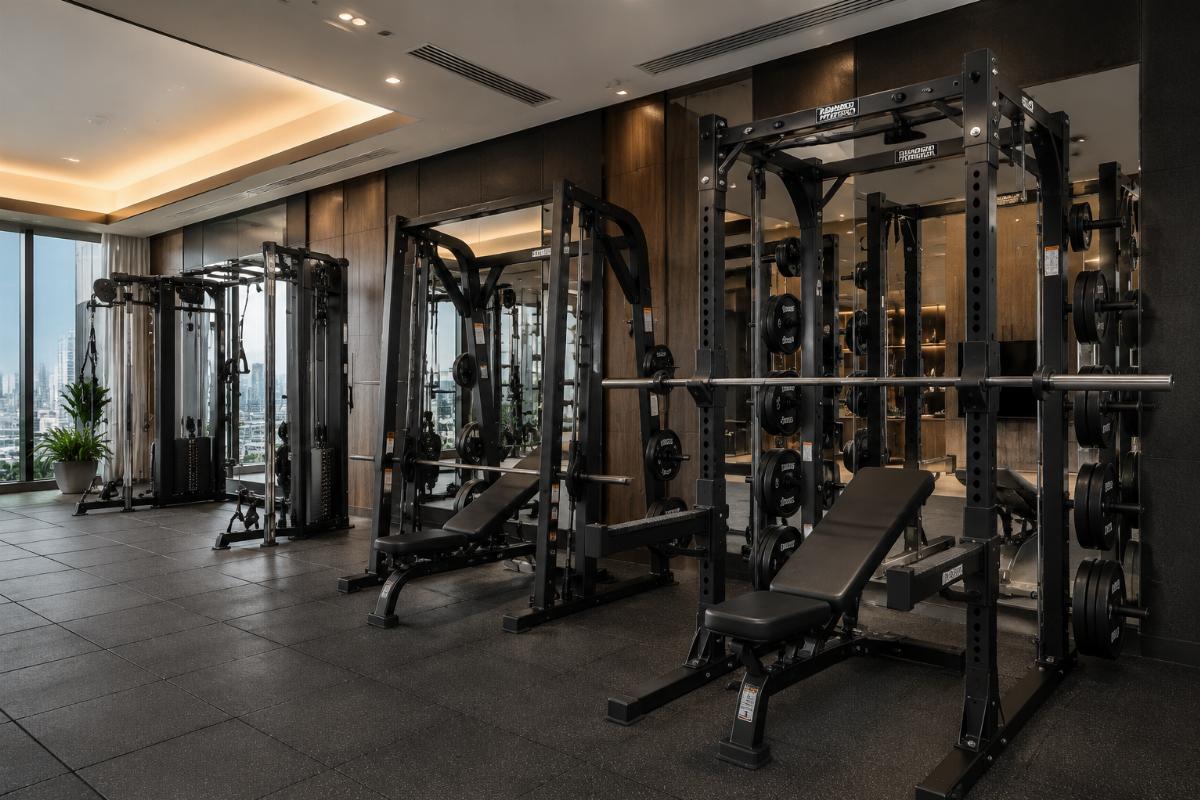
This article walks through how Portugal-based buyers can evaluate Rogue Fitness alternatives systematically, what specifications actually matter for commercial-grade durability, how OEM partnerships function in practice, and why direct factory sourcing reshapes the cost structure without compromising quality.
Why Are Portugal Buyers Looking Beyond Rogue Fitness?
Rogue Fitness builds excellent equipment, but its pricing structure and transatlantic lead times create real friction for European hospitality and gym buyers.
The Portuguese hospitality sector has seen sustained investment in wellness amenities. Five-star hotels in Lisbon, Porto, and the Algarve are upgrading fitness centers to match international guest expectations. [NEED_CITE: European hotel fitness center investment trends in Southern Europe] Commercial gym chains are also expanding, particularly in urban centers where space efficiency and equipment durability are non-negotiable.
The core tension is straightforward. Buyers need commercial-grade strength equipment—power racks, Smith machines, cable crossovers, functional trainers—that can handle high daily usage in hotel environments where maintenance budgets are tight and guest expectations are high. Rogue Fitness delivers on quality, but the landed cost for Portuguese buyers includes transatlantic freight, import duties, and brand premiums that push total project budgets beyond feasibility.
I worked with a Southern European hotel group that initially specified an American brand for their strength zone. The per-unit pricing, combined with container shipping costs and customs clearance delays, created a budget shortfall that threatened to shrink the entire fitness footprint. They needed a Rogue Fitness alternative that maintained commercial durability standards without the premium markup.
The shift toward Chinese manufacturing is not about chasing the cheapest option. It is about accessing factories that produce to the same steel thickness standards, the same welding protocols, and the same load-testing benchmarks—but without the brand markup embedded in every SKU. [NEED_CITE: fitness equipment manufacturing standards comparison between US and Chinese commercial producers]
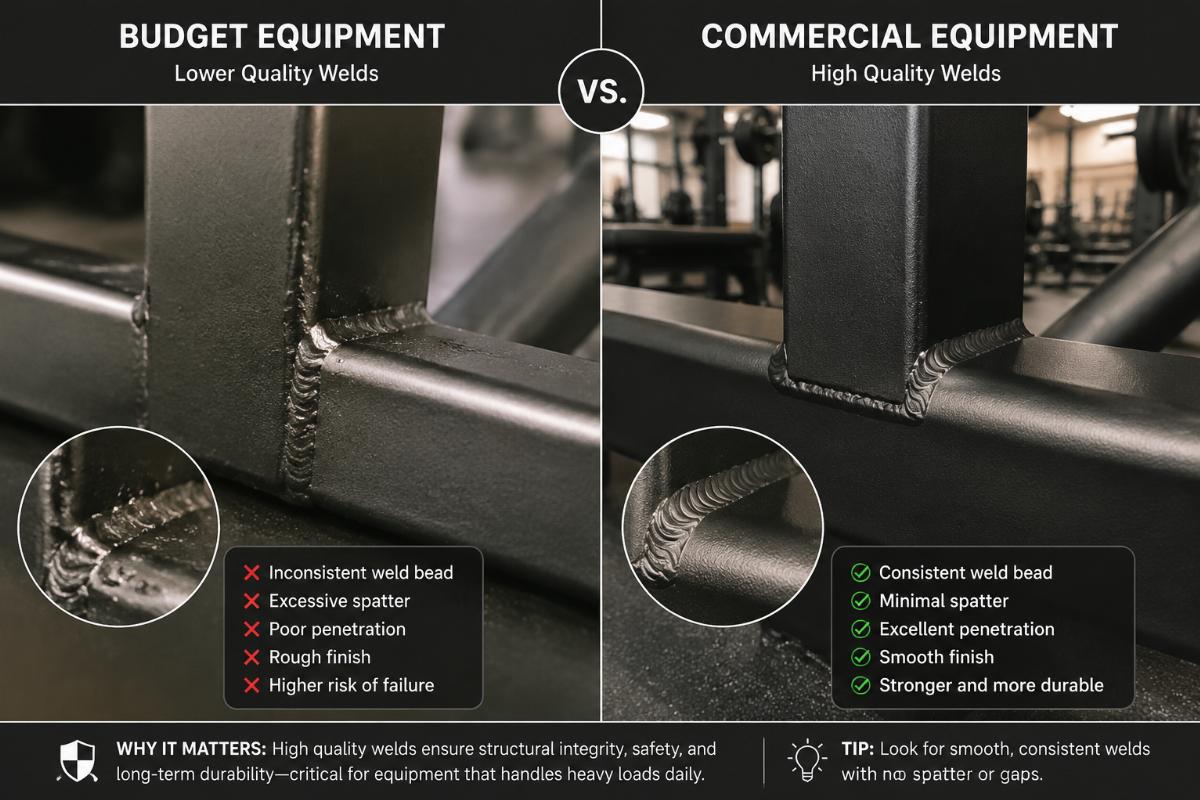
What changed the conversation for that hotel group was not a price list. It was a teardown comparison. Side by side, the steel gauge on the main frame uprights, the weld penetration on the gusset plates, and the powder-coat adhesion test results were functionally identical. The difference was purely financial.
How to Evaluate Rogue Fitness Alternatives for Commercial Use?
Commercial-grade durability is determined by four verifiable factors: steel specification, welding工艺, surface treatment, and certified load testing—not by brand reputation alone.
When evaluating any Rogue Fitness alternative for a Portuguese hotel or commercial gym, the procurement team should establish a specification baseline before reviewing supplier quotes. This prevents marketing language from substituting for engineering evidence.
| Evaluation Dimension | Commercial-Grade Standard | Basic/Entry-Level | Unverified |
|---|---|---|---|
| Steel Frame Gauge | 3mm minimum, cold-rolled | 2mm or thinner | Not disclosed |
| Welding Method | MIG with full penetration on joints | Spot weld or partial penetration | Self-reported only |
| Surface Treatment | Electrostatic powder coating, anti-corrosion | Paint or basic spray | Not specified |
| Load Certification | CE-certified with documented test reports | No third-party testing | Verbal claims only |
| Bearing Quality (Smith machines) | Sealed commercial bearings with extended service life | Standard bearings | Not disclosed |
[NEED_CITE: commercial gym equipment durability standards per European fitness industry guidelines]
The steel gauge is the starting point. A commercial power rack intended for daily use in a hotel gym must use uprights of at least 3mm cold-rolled steel. Anything thinner will flex under repeated heavy loading and develop fatigue points at weld joints over time. I have seen frames from unverified suppliers that measured under 2mm at the critical load-bearing joints—a specification that would fail within months in a high-traffic environment.
Welding quality is where experience matters. Full-penetration MIG welding on gusset plates and joint connections is the commercial standard. Spot welding or partial penetration is acceptable for home-use equipment but will crack under the cyclical loading of a commercial environment. A visual inspection of the weld bead consistency, combined with a request for weld procedure specifications, separates serious manufacturers from those cutting corners. [NEED_CITE: welding quality standards for commercial fitness equipment frames]
Surface treatment is often overlooked but critical in Portugal’s coastal climate. Salt-air exposure in Algarve or Lisbon properties accelerates corrosion on poorly coated frames. Electrostatic powder coating provides a uniform, chip-resistant finish that basic spray painting cannot match. Requesting salt-spray test documentation from the manufacturer provides verifiable evidence of corrosion resistance.
For Smith machines and any equipment with linear bearings or cable systems, bearing quality directly determines service intervals and long-term reliability. Sealed commercial-grade bearings substantially extend service life compared to standard bearings, reducing maintenance frequency in hotel environments where downtime is unacceptable.
What Equipment Categories Match Rogue’s Product Range?
A credible Rogue Fitness alternative must cover the full spectrum of commercial strength equipment: free-standing racks, Smith machines, cable crossovers, plate-loaded machines, functional trainers, and free-weight accessories.
Portuguese hotel and gym buyers are not looking for a single piece of equipment. They need a complete strength zone solution that covers compound lifts, isolation work, functional training, and accessory movements. Any supplier positioning themselves as a Rogue Fitness alternative must demonstrate full-category capability.
The core categories include:
Power Racks and Squat Stands. The foundation of any commercial strength zone. Half racks, full power racks, and modular squat stands must accommodate competition-standard barbell heights, include multi-grip pull-up bars, and support band pegs and J-cup variations. The rack ecosystem should integrate with compatible attachments—safety straps, monolifts, dip bars—to maximize functional density per square meter.
Smith Machines. In hotel gym environments, Smith machines are among the highest-utilized pieces of equipment. They provide guided movement patterns for solo guests who may not be comfortable with free-barbell work. The critical specifications are linear bearing smoothness, bar knurl quality, and the safety stop mechanism. A well-built Smith machine should operate smoothly for extended service intervals without bearing replacement.
Cable Crossovers and Functional Trainers. These units serve both strength and functional training purposes. Dual-adjustable pulley systems with weight stacks or plate-loading options provide versatility for rehabilitation, hypertrophy, and athletic performance work. The cable routing, pulley quality, and handle attachment systems determine long-term reliability.
Plate-Loaded and Selectorized Machines. For hotels targeting a broader guest demographic, selectorized machines reduce intimidation and simplify usage. A complete lineup covering chest, back, legs, shoulders, and arms ensures the gym serves all fitness levels. The selectorized pin mechanism, seat adjustment systems, and pivot points are the wear components that separate commercial-grade from residential-grade equipment.
Free Weights and Accessories. Dumbbells, barbells, weight plates, kettlebells, benches, and functional accessories like battle ropes, plyo boxes, and medicine balls complete the gym. Rubber-coated plates reduce noise and floor damage in hotel settings. Calibration accuracy on competition plates and knurl consistency on barbells are the details that serious users notice.
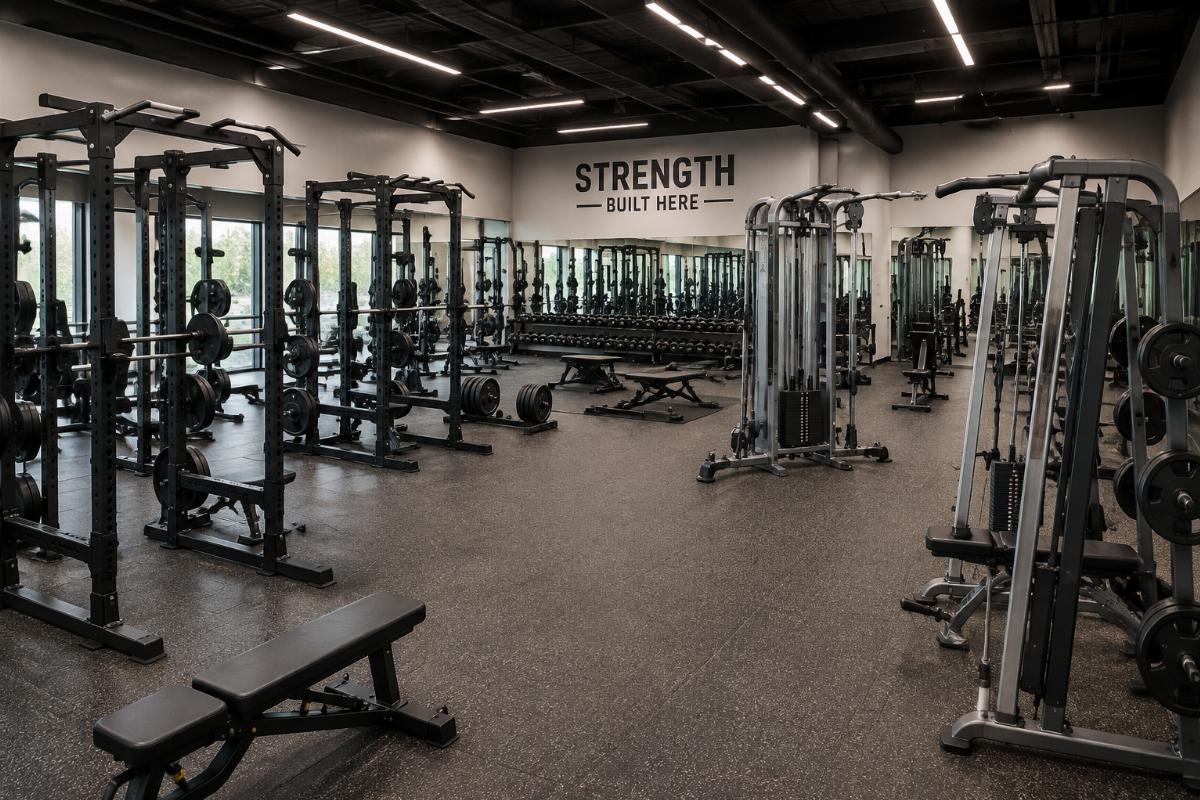
I worked with a European distributor who needed to consolidate orders across all these categories. Rather than sourcing racks from one factory, cables from another, and free weights from a third, they consolidated with a single manufacturer capable of container-load consolidation across the full product range. This simplified logistics, reduced per-unit freight cost, and ensured consistent branding across the OEM product line.
How Does OEM/ODM Service Work for Portugal Market Buyers?
OEM partnerships with Chinese manufacturers offer Portugal buyers the flexibility to start with single-unit samples, scale to container loads, and build private-label brands with full customization—from color schemes to logo placement to packaging design.
The OEM process for Rogue Fitness alternatives follows a structured progression, but the entry barrier is far lower than most buyers assume.
Phase One: Specification Alignment and Sampling. The buyer provides their target specifications—steel gauge, color matching to brand Pantone codes, logo placement, packaging requirements. The manufacturer produces a sample unit for approval. This phase typically involves iterative communication on weld finish quality, powder-coat color accuracy, and assembly hardware compatibility with European standards. [NEED_CITE: OEM fitness equipment customization process and quality control checkpoints]
Phase Two: Trial Order and Quality Verification. Rather than committing to a full container immediately, many buyers start with a partial order—a few racks, a Smith machine, a set of dumbbells—to verify production consistency, packaging integrity during transit, and end-user feedback. This trial phase de-risks the relationship and allows the buyer to test market response before scaling.
Phase Three: Scale and Framework Agreements. Once quality is verified, buyers typically move to container-load orders with consolidated SKUs. A single 40-foot high-cube container can hold a mixed load of racks, machines, benches, and free weights, maximizing freight efficiency. Framework agreements with rolling forecasts allow the manufacturer to reserve production capacity and raw materials, reducing lead-time variability.
Phase Four: After-Sales and Spare Parts. Commercial equipment in hotel environments requires accessible spare parts—cable replacements, bearing kits, selectorized pins, upholstery patches. A credible OEM partner maintains a spare-parts inventory and provides technical support documentation. For Portuguese buyers, this means having a direct line to the factory’s engineering team rather than navigating a distributor’s customer service layer.
I worked with a European fitness distributor who started with a single-cabinet trial order of plate-loaded machines. The quality matched their existing supply, the branding was precise, and the packaging survived transoceanic shipping without damage. Within a year, they had moved to quarterly container orders and established an exclusive territory arrangement. The key was that the manufacturer understood European market expectations—not just in product quality, but in documentation, CE marking compliance, and responsive technical communication.
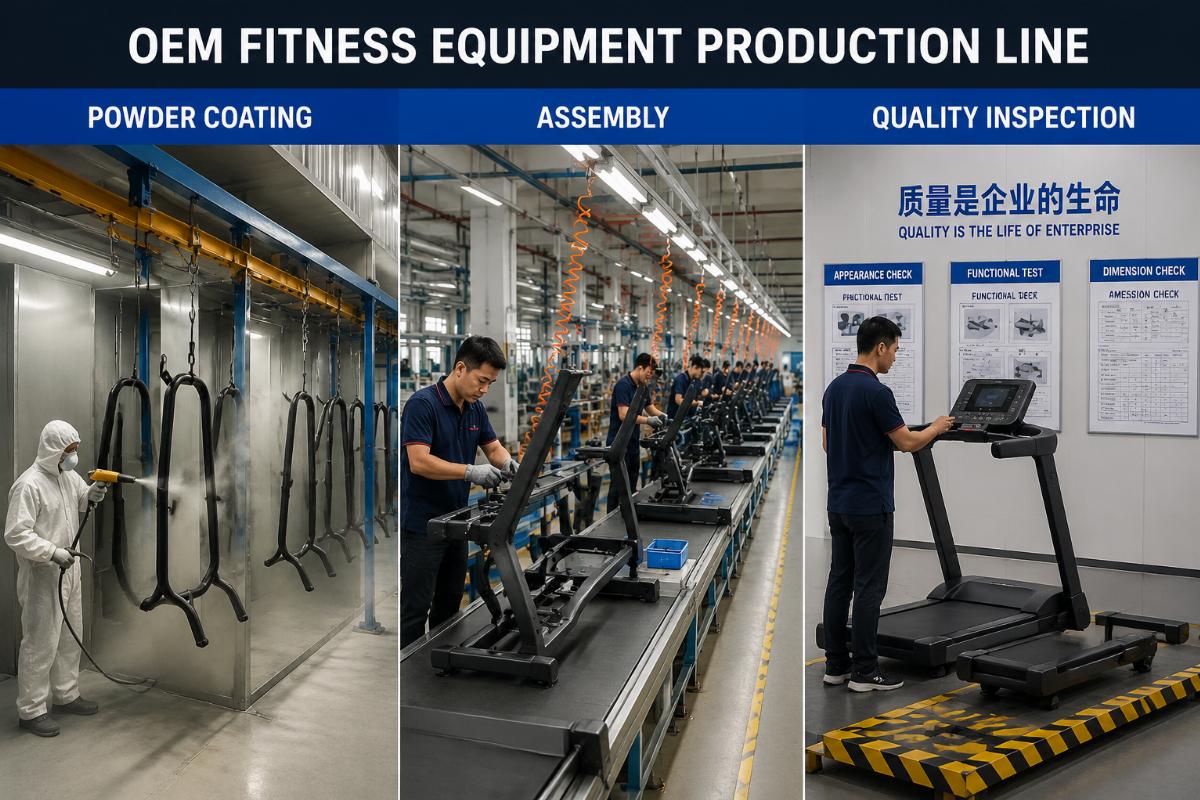
The MOQ flexibility is critical for Portugal buyers entering the market. A boutique hotel may need only a single power rack, a Smith machine, a cable crossover, and a complete dumbbell set. A commercial gym chain may need dozens of each. The manufacturer’s ability to accommodate both scenarios—from single-unit orders to full gym turnkey packages—determines whether the partnership scales with the buyer’s growth.
What Are the Cost Advantages of Direct Factory Sourcing?
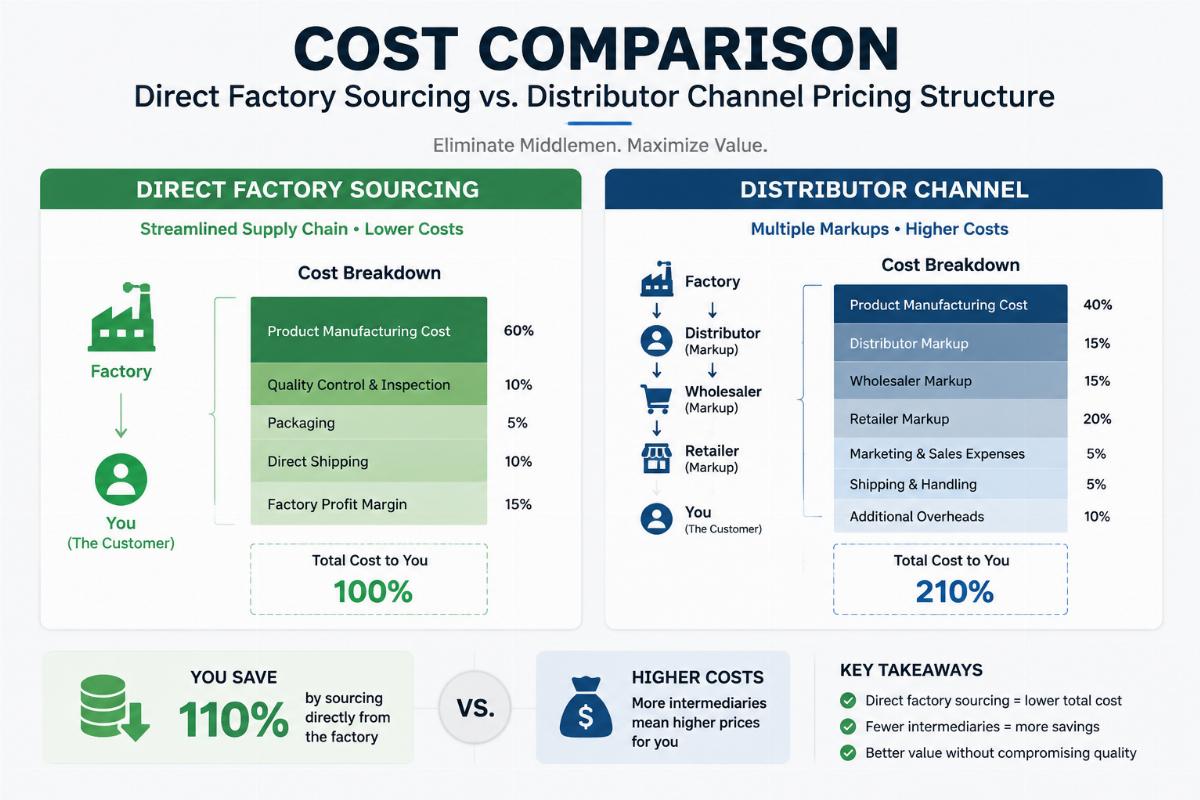
Direct factory sourcing for Rogue Fitness alternatives eliminates distributor markups, reduces freight consolidation inefficiencies, and delivers commercial-grade equipment at substantially lower total landed cost—without compromising steel quality, welding standards, or certification compliance.
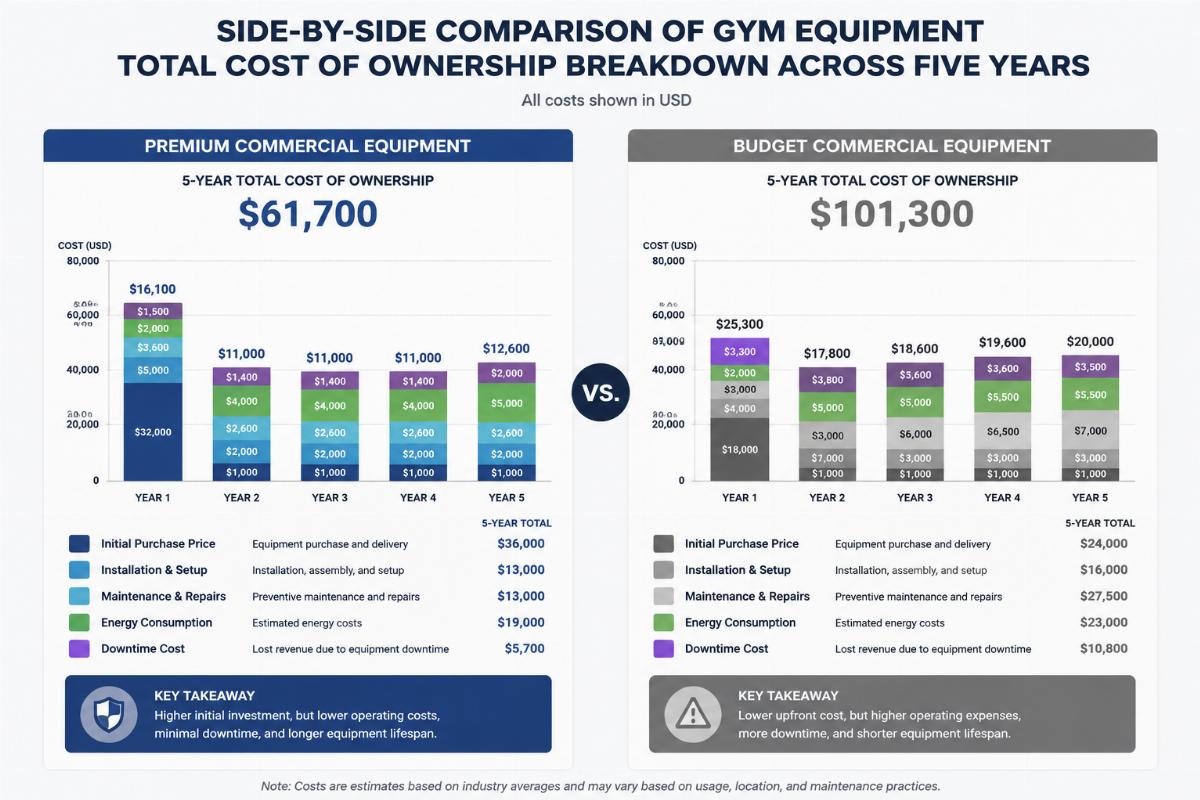
The cost structure of importing commercial fitness equipment into Portugal involves multiple layers when buying through Western distributors or brand channels. Each layer adds margin: the brand’s marketing and overhead costs, the regional distributor’s import and warehousing costs, the local dealer’s margin, and finally the end-user price.
When a Portuguese hotel buyer sources directly from a Chinese manufacturer, the cost equation changes fundamentally. The factory-direct price reflects actual production cost plus a reasonable manufacturing margin. There is no brand premium embedded in the price. There is no intermediate distributor taking a cut. The buyer pays for steel, welding, powder coating, bearings, and assembly labor—nothing more.
Freight consolidation amplifies the savings. A manufacturer capable of mixing product categories into a single container—racks, machines, free weights, accessories—maximizes container utilization. This reduces the per-unit freight cost compared to ordering single categories from multiple suppliers. [NEED_CITE: container load consolidation economics for fitness equipment importers]
I worked with a commercial gym project where the buyer had received quotes from a European distributor for a complete strength zone. The total cost, including the distributor’s margin and fragmented freight, exceeded their budget by a significant margin. By switching to direct factory sourcing with container consolidation, the total landed cost dropped substantially—enough to add additional equipment to the gym layout without increasing the overall budget.
The critical point is that this cost advantage does not come from lower-quality materials or shortcuts in production. It comes from eliminating unnecessary intermediaries and optimizing logistics. The steel gauge is the same. The welding standard is the same. The CE certification is the same. The powder-coat quality is the same. The difference is purely structural—how the supply chain is organized.
For Portugal buyers, this means the budget flexibility to spec higher-quality equipment, expand the gym footprint, or invest in additional amenities—all while maintaining the commercial-grade durability that hotel guests and gym members expect.
Conclusion
Rogue Fitness alternatives from certified Chinese manufacturers deliver commercial-grade strength equipment to Portugal buyers at substantially lower cost, with full OEM customization and turnkey gym packaging. The evaluation criteria are clear: verify steel specifications, inspect welding quality, confirm surface treatment standards, and demand CE certification with documented load testing. OEM partnerships offer flexible MOQs from single units to container loads, with spare-parts support for long-term commercial operation. Direct factory sourcing eliminates distributor markups and consolidates freight, making premium-quality equipment financially accessible for hotels and gyms across Portugal.