
Commercial Treadmill Supplier for Kenya: China Factory Direct OEM
A 2.5HP motor will not survive Kenyan power grids—most burn out before the warranty expires.
Sourcing from a commercial treadmill supplier for Kenya requires 3.0HP AC motors with wide-voltage tolerance, continuous-duty rating, and reinforced cooling to handle 220V±15% fluctuations and ambient heat above 30°C. Factory-direct sourcing from Shandong manufacturers cuts procurement costs substantially versus premium Western brands while supporting full-container mixed loading with cardio and strength equipment.
I still remember the first container we shipped to a Nairobi gym back in the day. We spec’d 2.5HP motors because that was standard for mid-range commercial units. Within months, the client was calling—motors overheating, control boards frying, belt slippage under continuous use. He was furious. We replaced units, ate the freight, and nearly lost the account. The real problem was not the treadmill. It was the grid. Kenyan power fluctuates wildly, and a 2.5HP motor running at its thermal ceiling has zero headroom for voltage dips. That shipment taught me to ask about local infrastructure before I ever quote a spec sheet. Today, every commercial treadmill supplier for Kenya conversation I have starts with voltage, duty cycle, and ambient temperature—not price per unit.

Let me walk you through what actually matters when you are buying commercial treadmills for the Kenyan market, based on years of shipping containers to East Africa and watching which units survive and which do not.
Kenya’s Grid Reality: Why 2.5HP Treadmills Fail in East Africa?
Voltage instability is the single largest cause of treadmill motor failure in Kenya—not user abuse, not poor maintenance, but the power supply itself.
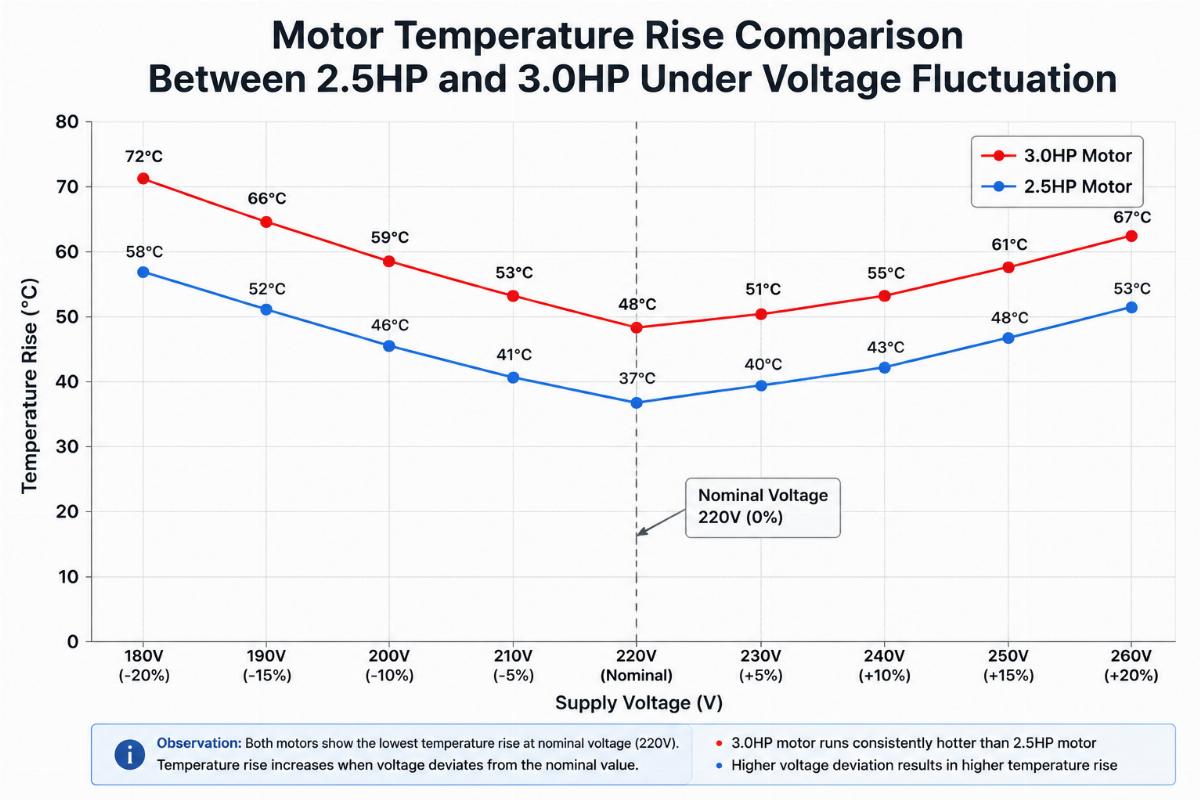
Kenya’s nominal voltage is 220V/50Hz, but in practice, fluctuations of ±15% are routine, especially outside central Nairobi. Industrial zones and developing commercial areas experience even wider swings. A 2.5HP motor designed for stable 230V European grids operates near its thermal limit at nominal voltage. When voltage drops to 190V, the motor draws higher current to maintain output, generating excess heat. Do this repeatedly, and insulation breaks down, bearings degrade, and the motor fails.
| Parameter | Standard Spec | Kenya-Adapted Spec |
|---|---|---|
| Motor Power | 2.5HP AC | 3.0HP AC minimum |
| Voltage Tolerance | ±10% | ±15% wide-range |
| Duty Cycle | Intermittent | Continuous (8-12 hrs/day) |
| Cooling System | Standard fan | Enhanced airflow + thermal protection |
| Drive System | Basic DC | Variable frequency drive |
[NEED_CITE: Kenya Energy Regulatory Commission voltage tolerance standards for commercial equipment]
A gym owner in Mombasa ran into this exact problem. He bought a batch of treadmills from a European brand—beautiful machines, premium finish, but spec’d for stable Western grids. Within half a year, the majority of the motors showed signs of thermal stress. He switched to units from a commercial treadmill supplier for Kenya who understood the local conditions, and the failure rate dropped noticeably. The difference was not brand prestige. It was motor redundancy.
The math is straightforward: a 3.0HP motor running at 2.5HP equivalent workload has built-in headroom. When voltage dips, it does not strain. When ambient temperature climbs above 30°C—as it does consistently in coastal Kenya—the enhanced cooling system keeps the motor within safe operating range. This is not optional engineering. It is survival.
Shandong Factory Direct: How to Verify Quality Before Shipping?
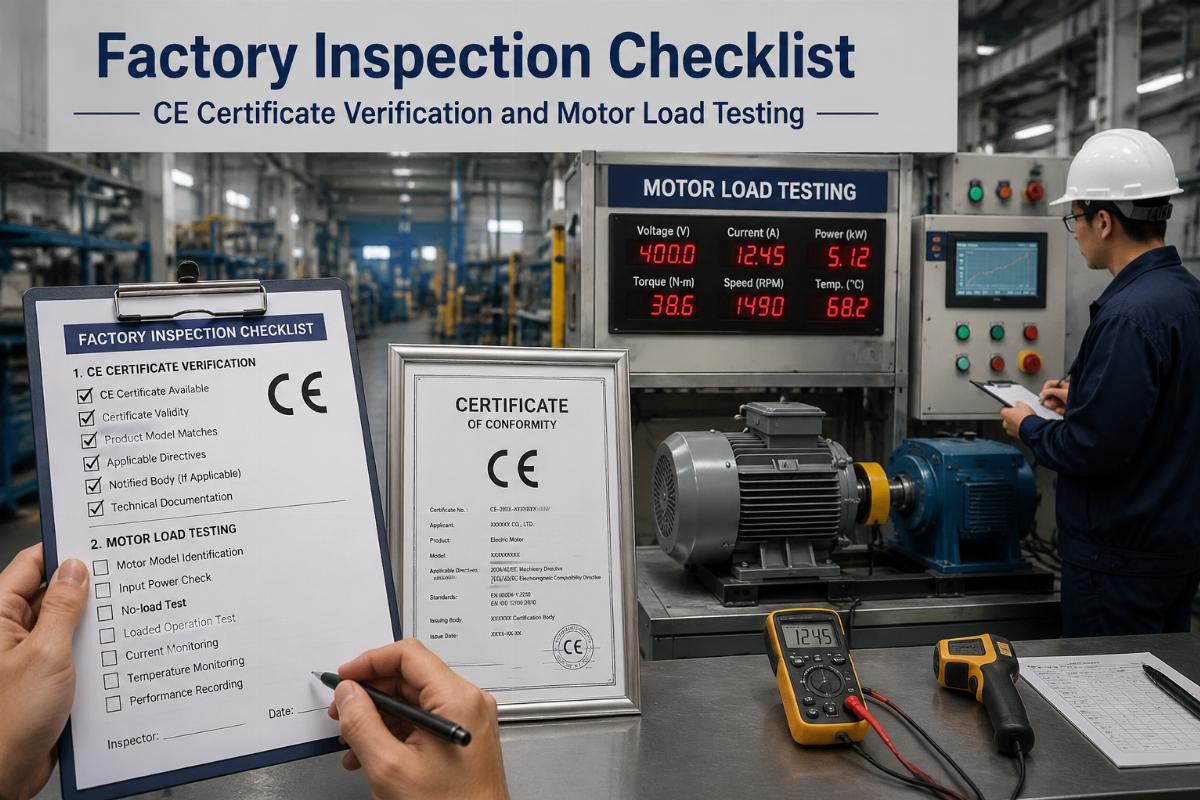
CE certification and motor load testing are non-negotiable—any commercial treadmill supplier for Kenya who cannot produce verifiable test reports is a risk you cannot afford.
Shandong Province, particularly the Dezhou manufacturing belt, is where the majority of China’s commercial fitness equipment is produced. The concentration of factories creates economies of scale that drive costs down substantially—typically 40-50% below comparable European or American brands at equivalent specifications. But concentration also means quality varies. Some factories run rigorous batch testing. Others cut corners on steel thickness and motor insulation.
Here is what I check before I recommend any supplier to a buyer:
- CE Certification: Not just a sticker. Request the actual test report from a recognized notified body. Verify the certificate number on the issuing authority’s database.
- Motor Load Test Report: The supplier should provide documentation showing the motor ran continuously under load at elevated temperature without thermal shutdown.
- Frame Steel Thickness: Commercial treadmills need minimum 2.5mm steel frame construction. Anything thinner flexes under heavy users and develops stress fractures.
- Welding Quality: Inspect weld seams on sample units or via factory video. Porous or inconsistent welds indicate poor quality control.
[NEED_CITE: International Electrotechnical Commission standards for commercial fitness equipment motor safety]
A distributor in Kampala started sourcing from a new factory that offered attractive pricing. The units looked good in photos. But when the first container arrived, the frame steel was noticeably thinner than spec’d, and the motor test reports were generic templates, not actual batch data. He avoided a costly mistake by ordering a pre-shipment inspection. That inspection cost a few hundred dollars but saved him from distributing units that would have failed under commercial use.
When you work with a commercial treadmill supplier for Kenya who operates from Shandong’s established manufacturing zone, you get access to factories with export experience, proper certification infrastructure, and the ability to customize specs for African conditions. But verification is your responsibility. Never skip pre-shipment inspection on first orders.
Full Container vs LCL: Which Saves More for Kenya Importers?
Full container mixed loading saves 25-30% on per-unit logistics cost compared to LCL shipping—critical for Kenya’s high freight rates to Mombasa port.
Shipping to Kenya is expensive. Ocean freight to Mombasa, inland transport to Nairobi or other cities, customs clearance, and port handling fees all add up. For gym owners and distributors buying commercial treadmills, the logistics cost per unit can rival the equipment cost itself if you ship inefficiently.
Less-than-container load (LCL) shipping seems attractive for smaller orders, but the per-cubic-meter rate is significantly higher than full container load (FCL). More importantly, LCL shipments face longer transit times, higher damage risk from consolidated handling, and more complex customs clearance.
| Shipping Method | Cost Efficiency | Transit Time | Damage Risk | Customs Complexity |
|---|---|---|---|---|
| FCL (Full Container) | High | Faster | Lower | Simpler |
| LCL (Less than Container) | Low | Slower | Higher | More Complex |
[NEED_CITE: Kenya Revenue Authority import procedures for fitness equipment]
A 40HQ container can hold 60-80 commercial treadmills depending on model size and packaging. But most gym projects need more than just treadmills. They need ellipticals, strength machines, free weights, flooring. A commercial treadmill supplier for Kenya who offers container consolidation services can mix cardio, strength, and accessories in one container, maximizing space utilization and minimizing per-unit freight cost.
A hotel project in Diani Beach needed a complete gym setup—treadmills, ellipticals, a Smith machine, dumbbells, benches, and rubber flooring. By consolidating everything into a single 40HQ, they reduced the per-unit shipping cost substantially compared to ordering each category separately. The delivery cycle was roughly 45 days from factory to site, including production, loading, ocean freight, and inland transport.
The key is working with a supplier who understands container loading optimization. Proper loading plans maximize every cubic meter. Improper loading wastes space and risks damage during transit.

OEM/ODM Options: Can You Brand Treadmills for Local Market?
Private-label branding with localized user interfaces and manuals is available at MOQs as low as 50 units—essential for distributors building regional market presence.
If you are a distributor in Kenya or the broader East African market, selling unbranded Chinese treadmills limits your pricing power and customer loyalty. Buyers who have a bad experience blame the machine, not your brand. Buyers who have a good experience remember the brand they bought. Building your own brand requires OEM capability from your commercial treadmill supplier for Kenya.
Modern Shandong factories offer comprehensive OEM/ODM services:
- Custom Branding: Logo placement on frame, console, motor cover, and packaging
- Localized UI: Swahili and English language options on console displays
- Custom Manuals: Multi-language user guides and maintenance instructions
- Packaging Design: Branded cartons with your company information and local contact details
- Color Customization: Frame and shroud colors to match your brand identity
[NEED_CITE: China sports equipment industry association export data on OEM order trends]
A distributor in Kampala started with a 50-unit trial order, fully branded with his company name, localized manuals in English and Swahili, and custom packaging. The initial investment in branding was modest. Six months later, he placed a repeat order—this time a full container. His local customers recognized his brand, trusted his after-sales support, and recommended him to other gyms.
The MOQ for OEM work has dropped significantly in recent years. Factories understand that distributors in emerging markets need to test before committing to large volumes. A 50-unit trial order is standard. If your commercial treadmill supplier for Kenya demands thousands of units for basic branding, you are talking to the wrong factory.

Warranty & Spare Parts: What Happens After Delivery?
Two-year motor warranty with spare parts shipped alongside equipment and video technical support ensures operational continuity—critical in markets where service technicians are scarce.
Selling equipment is easy. Supporting it after sale is where suppliers prove their value. In Kenya, qualified treadmill technicians are rare. When a machine breaks down, gym owners cannot afford to wait weeks for a service visit from Nairobi. They need spare parts on hand and remote technical guidance they can trust.
A reliable commercial treadmill supplier for Kenya provides:
- Motor Warranty: Minimum two years on drive motors, covering defects and premature failure under normal commercial use
- Spare Parts Package: High-wear components—drive belts, deck lubrication, console membranes, fuses—shipped in the same container as the equipment
- Video Technical Support: Remote troubleshooting via video call, guiding local maintenance staff through repairs
- Parts Supply Chain: Guaranteed availability of replacement parts for minimum five years after model discontinuation
[NEED_CITE: Commercial fitness equipment warranty standards and spare parts availability norms]
A gym chain with locations in Nairobi and Kisumu learned this the hard way. They bought treadmills from a supplier who offered great pricing but zero after-sales infrastructure. When a motor failed, they had no spare, no technical guidance, and the supplier took weeks to respond. The machine sat idle for over a month, frustrating members and damaging the gym’s reputation.
Contrast this with a supplier who ships spare parts kits with every container, provides WhatsApp-based video support, and maintains a parts warehouse in Dubai for faster regional fulfillment. The difference in uptime is dramatic. Equipment availability directly impacts member retention and gym revenue.
When evaluating a commercial treadmill supplier for Kenya, ask specifically about spare parts logistics. Where are parts stored? What is the response time for technical support? Can they provide reference customers who have used the after-sales system? These questions separate serious suppliers from traders who disappear after the container ships.

Conclusion
Kenyan commercial treadmill procurement demands voltage-adapted motors, verified quality certification, efficient container logistics, and reliable after-sales infrastructure.
Sourcing from a commercial treadmill supplier for Kenya who understands East African operating conditions—grid instability, high ambient temperatures, limited technical service availability—determines whether your equipment investment succeeds or fails. Factory-direct pricing from Shandong manufacturers delivers substantial cost savings, but only when paired with proper specification, pre-shipment verification, and comprehensive post-delivery support.


