Chest Press Machine for Cruise Ship Gyms | Bick OEM Manufacturer
Standard commercial gym equipment fails rapidly in marine environments due to accelerated corrosion and strict fire safety regulations.
Selecting a chest press machine for cruise ship gyms requires prioritizing marine-grade corrosion resistance, IMO-compliant fire-retardant upholstery, and compact biomechanical designs over standard land-based specifications. Unlike terrestrial fitness centers, onboard facilities operate in high-humidity, salt-laden atmospheres where standard powder coatings peel and mild steel frames oxidize within months. Furthermore, maritime safety codes mandate specific material certifications that typical gym manufacturers do not provide. Procurement teams must verify salt spray test reports, fire safety documentation, and vibration-dampening engineering before finalizing any order.
The transition from land-based procurement to maritime sourcing reveals hidden technical hurdles that standard catalogs rarely address. Early in my career, I assisted a hospitality group in outfitting a new vessel, assuming that heavy-duty commercial specs would suffice. The result was a logistical nightmare: frames showing surface rust before installation even completed, and upholstery failing initial fire inspections. This experience highlighted that a chest press machine for cruise ship gyms is not merely a strength tool but a piece of marine infrastructure requiring specialized engineering adaptations.
Why Do Cruise Ship Gyms Need Specialized Chest Press Machines?
Marine environments accelerate material degradation through constant exposure to saline humidity and vibration, rendering standard gym equipment unsafe and unsightly.
The primary driver for specialized equipment is the aggressive nature of the marine atmosphere. Salt air penetrates microscopic imperfections in standard powder coatings, leading to under-film corrosion that compromises structural integrity. [NEED_CITE: corrosion mechanisms in marine atmospheric environments] Additionally, ships are constantly in motion. While modern stabilizers reduce roll, micro-vibrations persist, causing standard fasteners to loosen over time. A loose bolt on a land-based machine is a maintenance issue; on a moving vessel, it becomes a safety hazard.
I recall a project where a batch of standard steel frames arrived at the port with visible oxidation spots after just a few weeks in storage near the dock. The supplier had used standard epoxy powder coating, which lacks the flexibility and chemical resistance needed for salt spray exposure. The solution required switching to hot-dip galvanized substrates topped with marine-grade polyester powder coating. This multi-layer approach provides a barrier that withstands the harsh conditions typical of ocean voyages.
Another critical factor is space efficiency. Cruise ship real estate is premium. A standard chest press might have a wide footprint to ensure stability on solid ground, but on a ship, every square meter counts. Specialized models are engineered with a narrower base while maintaining biomechanical effectiveness, allowing for tighter layout configurations without sacrificing user experience. This optimization ensures that the chest press machine for cruise ship gyms fits seamlessly into the limited available floor area, maximizing the number of stations per square foot.
What Are the Key Marine-Grade Requirements for Strength Equipment?
Compliance with International Maritime Organization (IMO) fire codes and enhanced corrosion resistance are non-negotiable for onboard fitness equipment.
When evaluating suppliers, buyers must look beyond aesthetic finishes. The core requirements fall into three categories: material composition, fire safety, and mechanical stability. Standard commercial gym equipment often uses mild steel with basic painting, which is insufficient for marine use. Instead, marine-grade equipment utilizes high-strength steel treated with advanced anti-corrosion processes. [NEED_CITE: ASTM B117 salt spray testing standards for marine coatings]
Fire safety is perhaps the most stringent requirement. All materials in contact with the user, including upholstery pads and plastic shrouds, must meet IMO FTP Code standards for flame spread and smoke density. I once reviewed a specification sheet where the supplier claimed "fire-resistant" foam without providing the specific certification. Upon request, they could not produce the IMO test report. This is a common pitfall. Genuine marine-grade suppliers provide full documentation proving that their materials self-extinguish and emit low levels of toxic smoke when exposed to fire.
Vibration damping is another technical nuance. Standard machines rely on gravity and friction for stability. On a ship, dynamic loads change constantly. Enhanced locking mechanisms for adjustment pins and heavier gauge tubing help mitigate the effects of vessel movement. These features prevent unintended shifts during exercise, ensuring user safety even in rougher seas.
| Requirement Category | Standard Commercial Spec | Marine-Grade Spec | Verification Document |
|---|---|---|---|
| Frame Coating | Basic Powder Coat | Hot-Dip Galvanized + Marine Powder | Salt Spray Test Report |
| Upholstery | Vinyl/Standard Foam | IMO Compliant Fire-Retardant Material | IMO FTP Code Certificate |
| Fasteners | Standard Bolts | Locking/Nylon Insert Nuts | Engineering Drawing Spec |
| Steel Grade | Mild Steel | High-Strength Low-Alloy Steel | Material Mill Certificate |
How Does Space Constraint Influence Machine Design on Ships?
Compact footprints and multi-functional designs are essential to maximize limited onboard real estate without compromising biomechanical range.
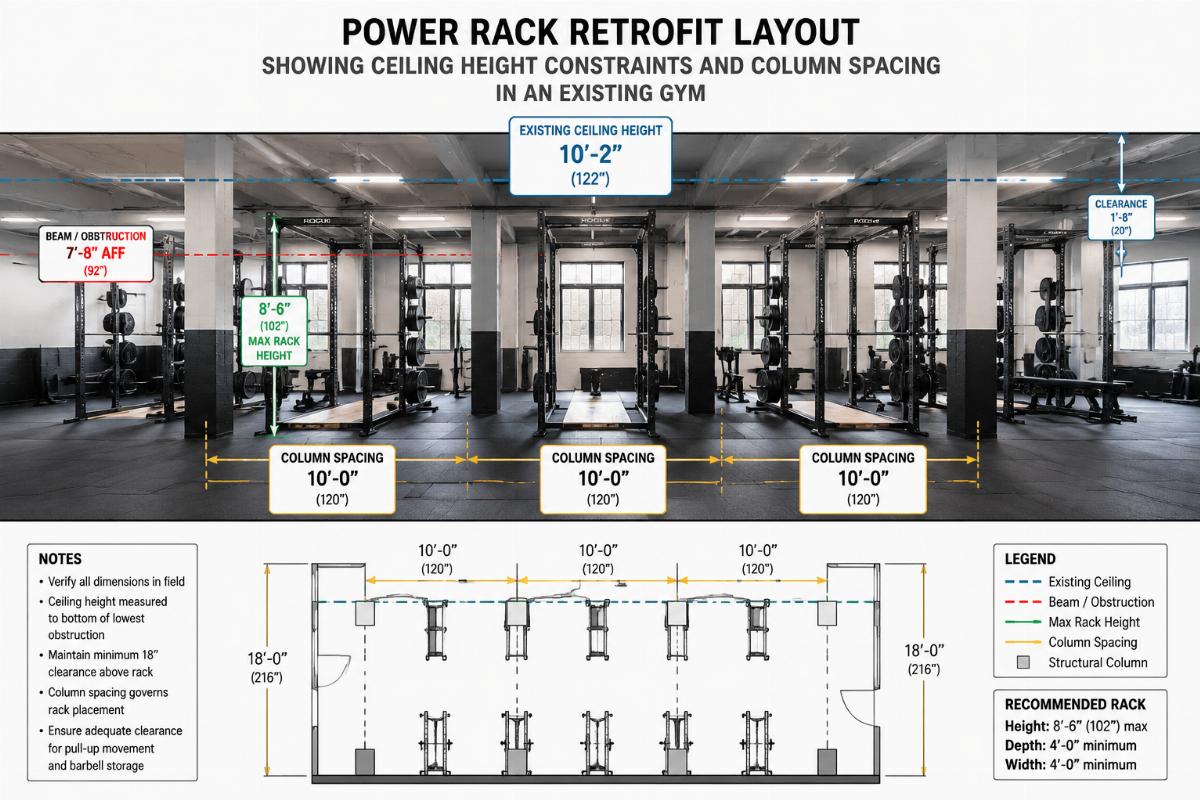
Space optimization on cruise ships is not just about making machines smaller; it is about intelligent design that maintains functionality. A typical land-based chest press may require significant clearance for the weight stack and user movement. In contrast, a chest press machine for cruise ship gyms is often designed with a vertical or compact weight stack configuration. This reduces the floor footprint significantly, allowing for more efficient layout planning in tight gym spaces.
In one retrofit project, the initial layout plan failed because the selected machines were too wide for the designated cabinetry areas. By switching to a compact model specifically engineered for marine applications, we reduced the required floor area by a noticeable margin. This allowed the inclusion of additional cardio stations without crowding the space. The key was maintaining the correct biomechanical pivot points despite the reduced frame size.
Manufacturers achieve this by using higher-density weight stacks and optimizing the cam profile. This ensures that the resistance curve remains smooth and effective, even though the physical machine is more compact. Buyers should request layout simulations from suppliers to verify that the chosen equipment fits the specific dimensions of the ship’s fitness center. This proactive step prevents costly redesigns during the installation phase.
What Certification Documents Should Buyers Verify?
Essential documentation includes CE marking, IMO fire safety certificates, and independent salt spray test reports to ensure compliance and durability.
Procuring equipment for cruise lines involves rigorous due diligence. Buyers must request and verify a complete package of certification documents. The CE mark indicates conformity with health, safety, and environmental protection standards for products sold within the European Economic Area, which is often a baseline requirement for international cruise operators. However, CE alone is not sufficient for marine applications.
The most critical document is the IMO FTP Code certificate for all combustible materials. This certifies that the upholstery, plastics, and packaging materials meet the strict fire safety standards set by the International Maritime Organization. Without this, the equipment cannot be legally installed on most commercial vessels. [NEED_CITE: IMO FTP Code requirements for interior finishes]
Additionally, buyers should ask for salt spray test reports based on ASTM or ISO standards. These reports demonstrate how long the coating can withstand corrosive environments before showing signs of rust. A reputable manufacturer will provide test results showing extended endurance, typically far exceeding standard commercial expectations. Verifying these documents before shipment prevents delays at port inspections and ensures long-term asset reliability.
Conclusion
Selecting the right equipment requires balancing marine durability, safety compliance, and spatial efficiency.
A chest press machine for cruise ship gyms must be engineered to withstand the unique challenges of the marine environment, including salt corrosion, fire risks, and space constraints. By prioritizing verified certifications and specialized design features, procurement managers can ensure safe, durable, and efficient fitness facilities onboard. Ignoring these specific requirements leads to premature equipment failure and compliance issues, undermining the guest experience and operational budget.